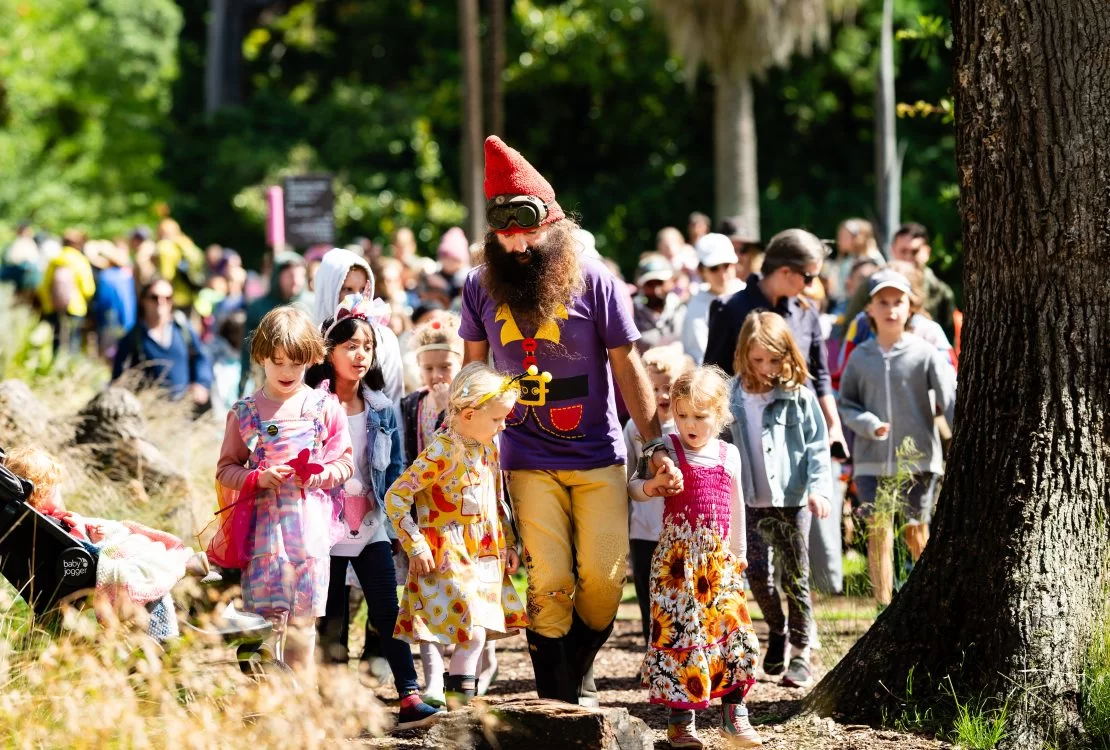
Halloween is one of the most anticipated nights of the year – a celebration of creativity, imagination, and community spirit. In 2026, Halloween will be celebrated on Friday, October 31. From spooky costumes and pumpkin carving to haunted houses and trick-or-treating, it’s a night that brings together people of all ages for thrills, laughter, and a touch of fright. Rooted in centuries of tradition, Halloween has evolved into a global cultural event that mixes history, folklore, and fun.
What is Halloween?
Halloween is a festival that originated from ancient Celtic traditions, particularly the festival of Samhain, marking the end of the harvest season and the beginning of winter. People believed that on this night, the boundary between the living and the spirit world was at its thinnest, allowing souls to cross over. Over time, Christian influences transformed Samhain into All Hallows’ Eve – the night before All Saints’ Day – which eventually became known as Halloween.
Today, Halloween is celebrated with costumes, decorations, and community events around the world. Children go door to door collecting candy, adults host themed parties, and neighborhoods come alive with jack-o’-lanterns, cobwebs, and eerie soundtracks. It’s a unique blend of ancient superstition and modern entertainment that encourages self-expression and connection.
When is Halloween 2026?
Halloween is celebrated every year on October 31, regardless of the day of the week. In 2026, Halloween falls on a Friday, which means celebrations will likely be even more lively, with costume parties, community events, and late-night gatherings taking place across the weekend. For families, it’s a perfect opportunity to enjoy an evening of trick-or-treating and spooky fun together.
Why Halloween Matters
Halloween might seem like just a night of candy and costumes, but it holds deeper cultural and emotional meaning. It provides an outlet for creativity, self-expression, and play – especially for children and young people. For adults, it’s a chance to revisit imagination and nostalgia while building connections with their communities. The spirit of Halloween also speaks to our fascination with storytelling, mystery, and transformation.
From an anthropological view, Halloween reflects our need to confront fear in a safe, joyful way. By turning ghosts, monsters, and darkness into something to laugh at, we reclaim control over the unknown. And in today’s fast-paced digital world, Halloween’s emphasis on neighborhood gatherings, handmade decorations, and shared experiences reminds us of the importance of human connection.
How to Celebrate Halloween 2026
Whether you love jump scares, crafts, or cozy autumn traditions, there are countless ways to celebrate Halloween in 2026. Here are some ideas for individuals, families, schools, and communities:
- Host a Costume Party: Encourage guests to come in creative costumes with a theme like “classic monsters,” “pop culture icons,” or “fantasy worlds.”
- Go Trick-or-Treating: Plan a safe route around your neighborhood and enjoy collecting candy with friends or family.
- Decorate Your Home: Carve pumpkins, hang spiderwebs, and create DIY lanterns for a haunted-house vibe.
- Volunteer or Donate: Support local charities by donating extra candy, costumes, or decorations to families in need.
- Enjoy a Movie Marathon: Watch Halloween classics like “Hocus Pocus,” “The Nightmare Before Christmas,” or for the brave, classic horror films.
- Cook Spooky Treats: Bake pumpkin pies, ghost-shaped cookies, or caramel apples to share with neighbors and friends.
- Celebrate Sustainably: Use reusable decorations, swap costumes, and compost pumpkins to reduce waste.
History of Halloween
The origins of Halloween go back more than 2,000 years to the Celtic festival of Samhain, celebrated in what is now Ireland, Scotland, and parts of northern Europe. Samhain marked the end of the harvest and the beginning of the dark half of the year. People would light bonfires and wear costumes to ward off spirits believed to roam the earth on that night.
When Christianity spread through Europe, Samhain traditions blended with the Christian observances of All Saints’ Day (November 1) and All Souls’ Day (November 2). By the 19th century, Irish and Scottish immigrants brought these customs to North America, where Halloween began to take on its modern form – less about warding off spirits and more about community celebration, costumes, and candy.
Modern Halloween Traditions
Today, Halloween is celebrated in many ways across cultures, blending ancient customs with new traditions. Here are some of the most popular modern Halloween practices:
- Costumes: Dressing up as ghosts, witches, superheroes, or cultural icons remains the highlight of Halloween for people of all ages.
- Trick-or-Treating: A tradition where children visit neighbors’ homes to collect sweets and treats, promoting community fun and connection.
- Pumpkin Carving: The jack-o’-lantern tradition originated from Irish folklore about Stingy Jack, a man who tricked the devil and roamed the earth with a carved turnip lantern.
- Haunted Houses: From theme parks to local charity events, haunted attractions offer safe, fun scares for thrill-seekers.
- Festivals and Parades: Many cities host Halloween parades or festivals featuring costumes, music, and family-friendly activities.
Halloween Around the World
While Halloween is most famously celebrated in the United States, similar traditions can be found globally. In Mexico and parts of Latin America, Día de los Muertos (Day of the Dead) honors ancestors with altars, marigolds, and sugar skulls. In Ireland, Halloween returns to its Celtic roots with bonfires, storytelling, and games. Japan celebrates with elaborate cosplay parades, and in the Philippines, “Pangangaluluwa” involves singing songs for the souls of the departed.
This global variety shows that Halloween is more than a single holiday – it’s part of a shared human tradition of remembrance, transformation, and joy.
Safety Tips for Halloween 2026
Halloween is fun for everyone when safety comes first. Here are a few reminders:
- Use reflective tape or glow sticks for visibility when trick-or-treating at night.
- Stick to well-lit areas and cross streets carefully.
- Inspect all candy before eating, especially for young children.
- Choose non-toxic face paints instead of masks for better visibility.
- Opt for flame-free LED candles in pumpkins to avoid fire hazards.
Noteworthy Facts About Halloween
- Halloween is the second-largest commercial holiday in the U.S., after Christmas.
- Americans are expected to spend over $12 billion on Halloween celebrations in 2026.
- The world’s largest pumpkin ever recorded weighed over 2,700 pounds.
- Black and orange are traditional Halloween colors – orange for harvest, black for darkness and mystery.
- Trick-or-treating has roots in medieval “souling” and “guising” customs from Europe.
Hashtags
#Halloween2026, #HappyHalloween, #TrickOrTreat, #SpookySeason, #PumpkinCarving, #CostumeParty

Related Events

February 1 - February 27

February 1 - February 27
February 1 - February 27

February 1 - February 27