As the sun sets on December 31, 2026, cities across the world will prepare to light up the sky in celebration of New Year’s Eve. It’s a night that transcends borders – a global countdown to midnight that unites billions in hope, joy, and anticipation for the year ahead. Whether you plan to watch dazzling fireworks, join a street party, or reflect quietly at home, New Year’s Eve is a moment to mark time, reconnect, and begin again.
What is New Year’s Eve?
New Year’s Eve is the final day of the Gregorian calendar year, observed with traditions that range from joyful to deeply symbolic. It’s a time when people come together to celebrate the end of one chapter and the beginning of another. Around the world, celebrations often include fireworks, music, dancing, countdowns, and communal meals. For some, it’s a spiritual pause – a time to reflect, release, and reset. For others, it’s a chance to gather with loved ones and ring in the new year with laughter and shared hopes.
When is New Year’s Eve?
New Year’s Eve is celebrated annually on December 31. In 2026, the night will fall on a Wednesday, making it a midweek moment to pause and celebrate. As time zones move from east to west, the world will celebrate in waves – starting with Pacific Island nations like Kiribati and Samoa, and ending with Hawaii and American Samoa nearly 24 hours later.
Why New Year’s Eve Matters
In a world that rarely slows down, New Year’s Eve offers something universal and necessary: perspective. It’s a time to look back at the past year – to acknowledge growth, grieve losses, and celebrate wins – while looking forward with renewed clarity. Whether you’ve had a tough year or a transformative one, the arrival of midnight is a powerful reset button.
It’s also a shared experience. Unlike many holidays rooted in specific cultures or religions, New Year’s Eve belongs to everyone. It crosses time zones, languages, and traditions. When millions pause together to count down those final seconds, it’s a rare, beautiful moment of global unity.
How to Get Involved in New Year’s Eve 2026
There’s no right way to celebrate – your New Year’s Eve should reflect what matters to you. Here are some ideas for individuals, families, and communities:
- Host a gathering: Invite friends or family to share a meal, light sparklers, or count down together.
- Attend a public event: Many cities host fireworks shows, concerts, or street festivals. Check local listings for details.
- Make it meaningful: Reflect on the past year. Write down your highlights, lessons, or intentions for 2026.
- Join a cultural tradition: Try a New Year’s Eve custom from another country, like Spain’s 12 grapes at midnight or Japan’s temple bell ringing.
- Give back: Start the year with generosity by donating to a cause or volunteering at a community event.
- Unplug and rest: For some, quiet time is the best way to reset. Light a candle, take a walk, or watch the stars as the clock strikes midnight.
Where to Celebrate: Global Highlights for 2026
Major cities around the world are planning unforgettable events for New Year’s Eve 2026. Here’s a preview of what to expect:
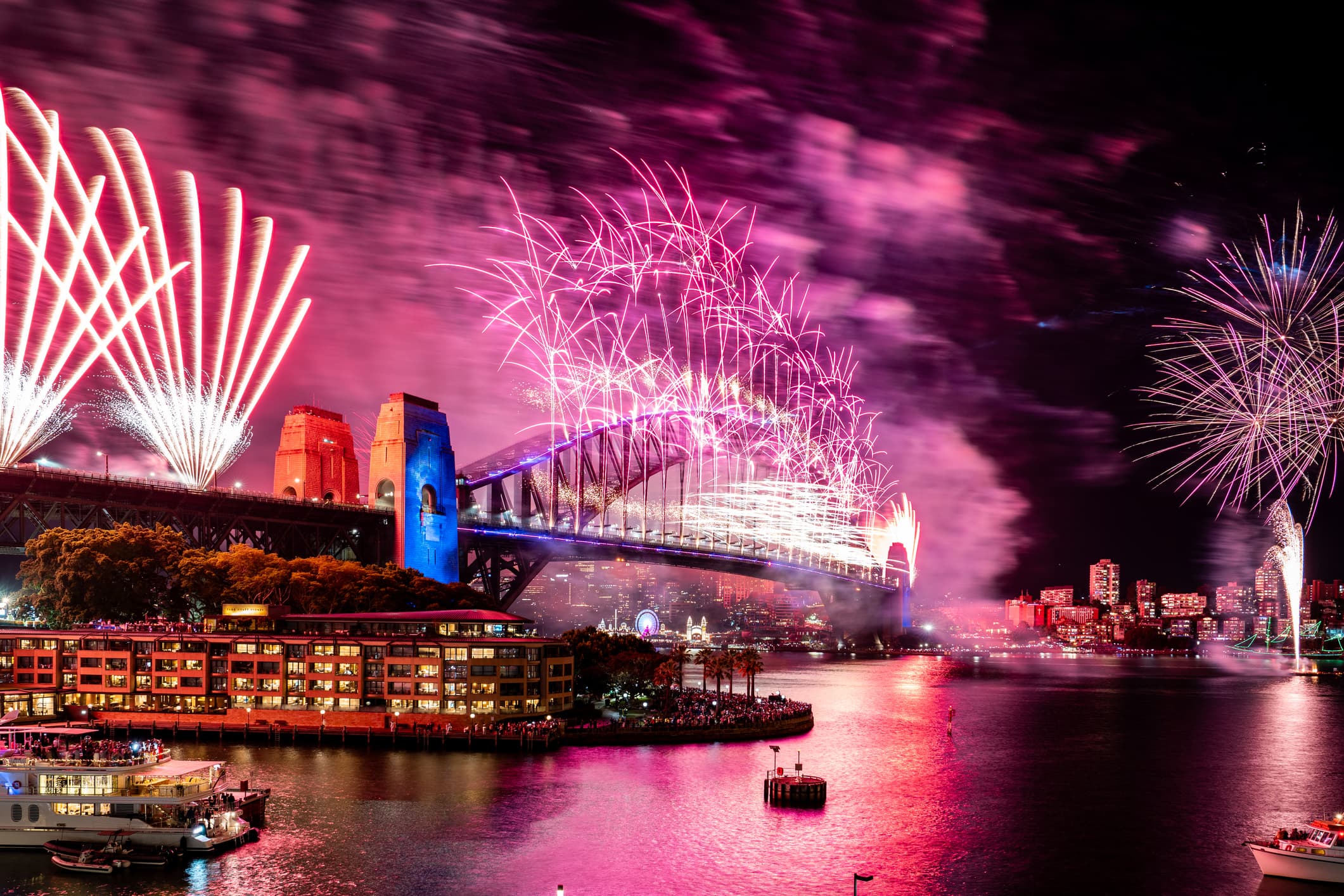
- Sydney, Australia: A twin fireworks show over Sydney Harbour will dazzle millions, with views from the Opera House to Bondi Beach.
- Dubai, UAE: The Burj Khalifa will host a world-class drone and firework show across 60+ sites, blending tech and tradition in a record-breaking display.
- Edinburgh, Scotland: The city’s iconic Hogmanay returns with torchlight processions, live music, and fireworks from Edinburgh Castle.
- Tokyo, Japan: Many will welcome 2026 with temple bell ringing and peaceful reflection, mixing modern nightlife with ancient custom.
- London, UK: 100,000 people are expected to watch fireworks light up the Thames, with Big Ben’s chimes marking midnight.
- New York City, USA: One million people will pack Times Square for the legendary ball drop and performances by global stars.
- Rio de Janeiro, Brazil: Copacabana Beach will glow with candles and fireworks as locals in white clothing celebrate on the sand.
History of New Year’s Eve
New Year’s Eve has been marked in various forms for thousands of years. Ancient Babylonians celebrated the new year in spring, while Julius Caesar shifted the date to January 1 in 45 BCE with the introduction of the Julian calendar. The month of January was named for Janus, the Roman god of doorways and transitions, often depicted with two faces – one looking back, one looking forward.
Modern celebrations range from the deeply spiritual to the spectacularly public. The Times Square ball drop began in 1907. Today, drone shows, synchronized fireworks, and global livestreams bring billions together in real time. No matter how it’s celebrated, the moment midnight arrives remains timeless.
Noteworthy Facts About New Year’s Eve
- More than 1 billion people watch the Times Square ball drop live or online every year.
- Sydney’s New Year’s Eve fireworks are watched by over 1 million people in person and 1 billion globally via broadcast.
- In Spain, it’s traditional to eat 12 grapes at the stroke of midnight – one for each month of luck in the new year.
- Dubai’s fireworks shows often break world records for scale and innovation.
- Japan’s Buddhist temples ring their bells 108 times on New Year’s Eve to cleanse away worldly desires.
Hashtags
#NewYearsEve2026, #CountdownTo2026, #GlobalNewYear
Links


Related Events

April 1 - April 29

April 1