Victory in Japan Day, also known as V-J Day, marks the anniversary of Japan’s surrender during World War II, which effectively ended the war. This day is a time to commemorate the sacrifices made by the Allied forces, honor the memories of those who lost their lives during the war, and celebrate the restoration of peace. It is also an opportunity to reflect on the lessons of the war and the importance of fostering international understanding and cooperation.
What is Victory in Japan Day?
Victory in Japan Day, commonly referred to as V-J Day, is the day when Japan formally surrendered to the Allied forces, bringing World War II to an end. The surrender was announced on August 15, 1945, following the atomic bombings of Hiroshima and Nagasaki, and was formally signed on September 2, 1945, aboard the USS Missouri in Tokyo Bay. V-J Day is observed to honor the conclusion of the war in the Pacific and to remember the immense human cost of the conflict.
When is Victory in Japan Day?
Victory in Japan Day is observed on two significant dates: August 15th, the day Japan announced its surrender, and September 2nd, the day the official surrender documents were signed. While August 15th is often recognized as the primary date for V-J Day, September 2nd is also commemorated, particularly in the United States, as the official end of World War II.
How to Observe Victory in Japan Day
There are several ways to observe and reflect on Victory in Japan Day:
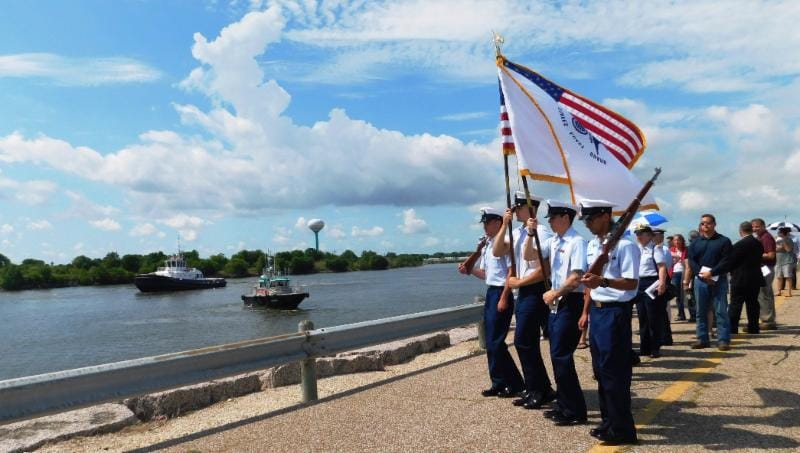
- Honor Veterans and the Fallen: Pay tribute to the veterans of World War II by visiting memorials, attending commemorative ceremonies, or participating in moments of silence. Many communities hold special events to honor those who served and those who lost their lives during the war.
- Learn About World War II History: Take time to educate yourself about the events leading up to V-J Day, the impact of the war on different nations, and the significance of Japan’s surrender. Documentaries, books, and museum exhibits can provide valuable insights into this pivotal moment in history.
- Reflect on Peace and Reconciliation: Use V-J Day as an opportunity to reflect on the importance of peace, international cooperation, and reconciliation. Consider how the lessons of World War II can be applied to promote understanding and prevent future conflicts.
- Share Stories and Memories: If you have family members who lived through World War II, take the time to listen to their stories and share them with others. Preserving and passing on these personal histories is important for keeping the memory of the war alive for future generations.
- Participate in Community Events: Many communities host parades, reenactments, or other events to commemorate V-J Day. Participating in these activities can be a way to connect with others and collectively honor the significance of the day.
History of the Event
Victory in Japan Day, or V-J Day, marks the end of World War II, one of the deadliest and most widespread conflicts in history. Japan’s surrender came after the Allied forces had achieved significant victories in the Pacific, and after the United States dropped atomic bombs on the cities of Hiroshima and Nagasaki. The surrender was announced by Emperor Hirohito on August 15, 1945, and the formal signing of the surrender documents took place on September 2, 1945. V-J Day is remembered as a moment of relief and celebration for the Allied nations, as well as a solemn reminder of the war’s devastating impact.
Relevant Hashtags
- #VJDay
- #VictoryInJapanDay
- #WWIIHistory
- #Remembrance
- #PeaceAndReconciliation

Related Events

May 1

July 4