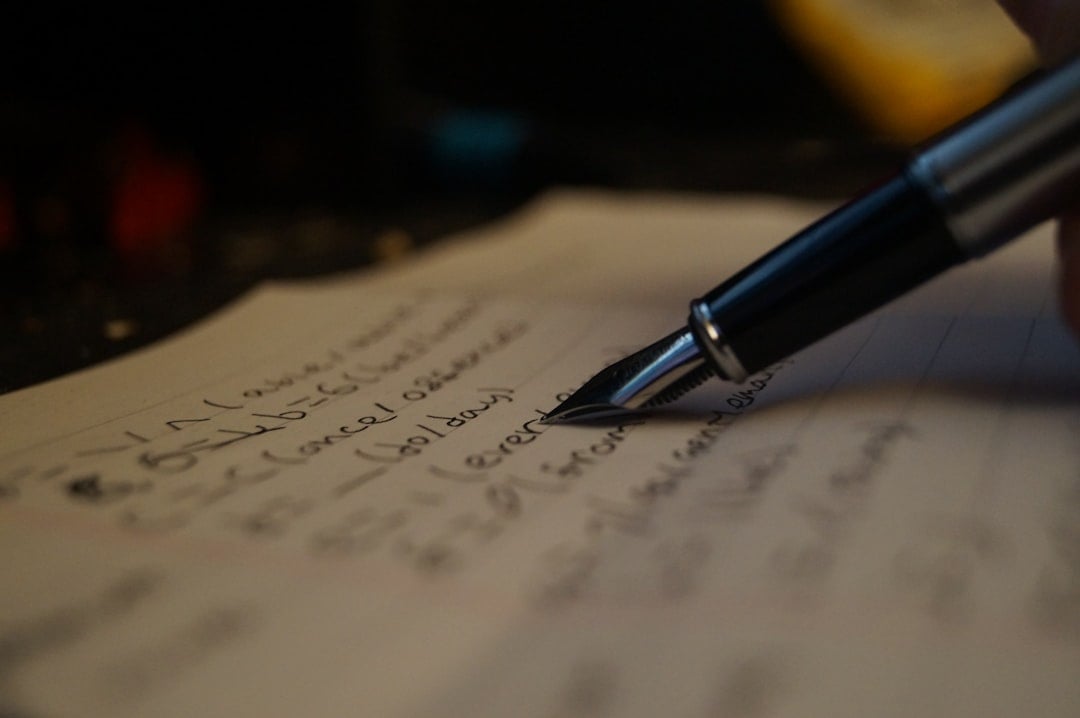
On the morning of 14 September 1814, a 35-year-old lawyer named Francis Scott Key stood on the deck of a British truce ship in Baltimore harbour, straining his eyes through the smoke and rain. All night, British warships had bombarded Fort McHenry with more than 1,500 cannonballs, rockets, and mortar shells. As dawn broke, Key could just make out a flag — not the small storm flag that had flown during the battle, but a massive garrison flag, 30 feet by 42 feet, stitched together by a Baltimore seamstress named Mary Pickersgill. The fort had held. The flag still flew. And in the grip of that emotion, Key began to write the words that would, more than a century later, become the national anthem of the United States.
The Story Behind National Anthem Day
National Anthem Day commemorates 3 March 1931, the date President Herbert Hoover signed a congressional joint resolution officially designating “The Star-Spangled Banner” as the national anthem of the United States. The road to that signing had been remarkably long. Key wrote his poem, originally titled “Defence of Fort M’Henry”, on the back of a letter the day after the battle. It was published in a Baltimore newspaper within a week and quickly set to the tune of “To Anacreon in Heaven”, a popular British drinking song. The combination of stirring words and a memorable melody caught fire across the young nation.
Yet for more than a century, the United States had no official national anthem. “Hail, Columbia” served as the de facto anthem for most of the 19th century, while “My Country, ‘Tis of Thee” (sung to the tune of “God Save the King”) was equally popular. The US Navy was the first branch of government to formally adopt “The Star-Spangled Banner” for official use in 1889, and the Army followed suit in 1895. But it took a public campaign, driven by the Veterans of Foreign Wars, to push Congress to act. The VFW gathered five million signatures on a petition demanding the song be made official, and Congress finally passed the resolution on 3 March 1931.
The anthem itself has had a fascinating life beyond politics. Jimi Hendrix’s electric guitar rendition at Woodstock in 1969 became one of the most iconic performances in music history, transforming the anthem into a statement about war, protest, and artistic freedom. Whitney Houston’s performance at Super Bowl XXV in 1991 — recorded during the Gulf War — is regularly cited as the greatest live rendering of the anthem ever. More recently, debates about kneeling during the anthem have placed the song at the centre of conversations about racial justice, free speech, and patriotism.
When and Where is National Anthem Day Celebrated?
National Anthem Day is observed on Tuesday, 3 March 2026. It is a fixed-date event, held every year on 3 March to mark the anniversary of the 1931 signing. The day is primarily observed in the United States, though the story of “The Star-Spangled Banner” resonates with anyone interested in the history of national identity, wartime resilience, and the power of music.
Traditions and Customs
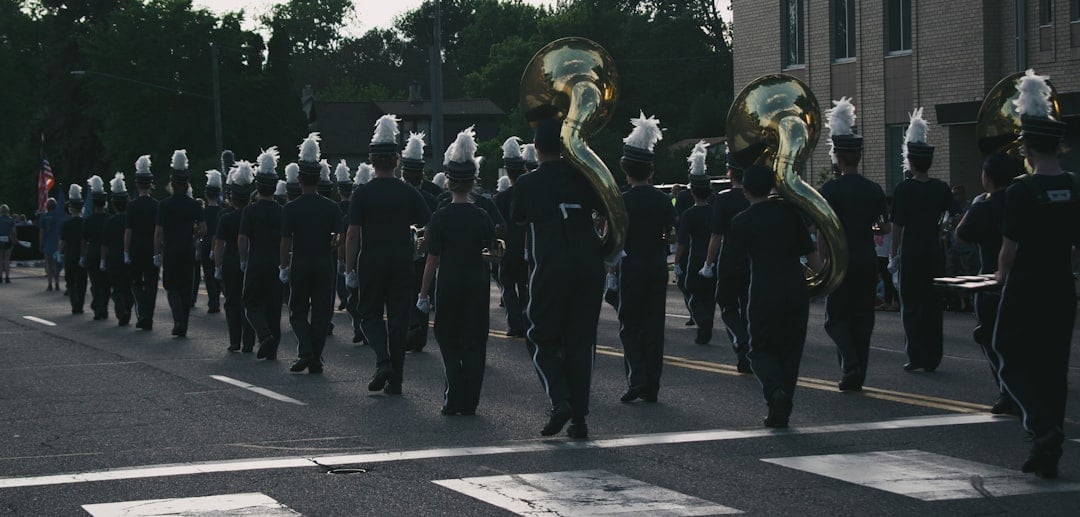
- Singing or playing the anthem — Schools, military installations, and community groups often mark the day with performances of “The Star-Spangled Banner”, sometimes featuring local choirs, bands, or soloists.
- Educational programmes — Museums and historical societies run special events about the anthem’s origins, the Battle of Baltimore, and the flag that inspired Key’s poem.
- Visiting Fort McHenry — Fort McHenry National Monument and Historic Shrine in Baltimore hosts events and tours on and around National Anthem Day, allowing visitors to stand where Key watched the bombardment.
- Flag displays — Many Americans fly the flag outside their homes and businesses, and some communities organise flag-raising ceremonies.
- Social media tributes — People share their favourite performances of the anthem, from stadium renditions to classroom recitals, using #NationalAnthemDay.
Ways to Celebrate National Anthem Day
- Read the full poem — Most people know only the first verse of Key’s poem. Read all four stanzas to understand the full scope of his account of the battle.
- Listen to iconic performances — From Whitney Houston to José Feliciano to Lady Gaga, the anthem has been interpreted in countless memorable ways. Create a playlist of your favourites.
- Visit a local historical site — If you cannot get to Fort McHenry, visit a local museum or war memorial to reflect on the broader themes of resilience and national identity that the anthem represents.
- Learn the history — Research the Battle of Baltimore, the War of 1812, and the story of Mary Pickersgill, the woman who sewed the famous flag.
- Teach a child the anthem — Pass on the tradition by helping a young person learn the words, the melody, and the story behind them.
- Explore other nations’ anthems — Use the day as a springboard to learn about the national anthems of other countries, their origins, and what they reveal about national identity.
Facts and Figures
- The original Star-Spangled Banner flag, sewn by Mary Pickersgill and her daughter in 1813, is preserved at the Smithsonian National Museum of American History in Washington, D.C.
- The melody for “The Star-Spangled Banner” comes from “To Anacreon in Heaven”, a British gentlemen’s club song composed around 1775 by John Stafford Smith.
- The anthem’s vocal range spans an octave and a half, making it notoriously difficult to sing — which is why so many public performances become memorable for the wrong reasons.
- Five million signatures were collected by the Veterans of Foreign Wars to petition Congress to adopt the anthem officially in 1931.
- Francis Scott Key was a lawyer and amateur poet. The anthem is the only widely known work he ever wrote.
Frequently Asked Questions
What is National Anthem Day?
National Anthem Day commemorates 3 March 1931, the day “The Star-Spangled Banner” was officially adopted as the national anthem of the United States by an act of Congress signed by President Herbert Hoover.
When is National Anthem Day in 2026?
National Anthem Day in 2026 falls on Tuesday, 3 March.
Who wrote “The Star-Spangled Banner”?
The words were written by Francis Scott Key, a lawyer from Georgetown, Maryland, on 14 September 1814, after witnessing the British bombardment of Fort McHenry during the Battle of Baltimore in the War of 1812.
Spread the Word
Share National Anthem Day with your community using #NationalAnthemDay and #NationalAnthemDay2026. Whether you mark the occasion with a performance, a history lesson, or simply a moment of reflection, every bit of awareness helps keep this remarkable story alive.
Related Awareness Days
- Independence Day — Celebrated on 4 July, the most prominent occasion for public performances of the national anthem across the United States.
- National Irish-American Heritage Month — Running throughout March, celebrating the contributions of Irish-Americans to US culture and history.
- Tartan Day — Observed on 6 April, honouring Scottish heritage in North America, another celebration of national identity and tradition.
Links


Related Events

March 4

March 4

March 4

March 4