CalendarAwareness campaign
Sugar Awareness Week
Next date not announced
Last held Monday 2 November to Sunday 8 November 2026.
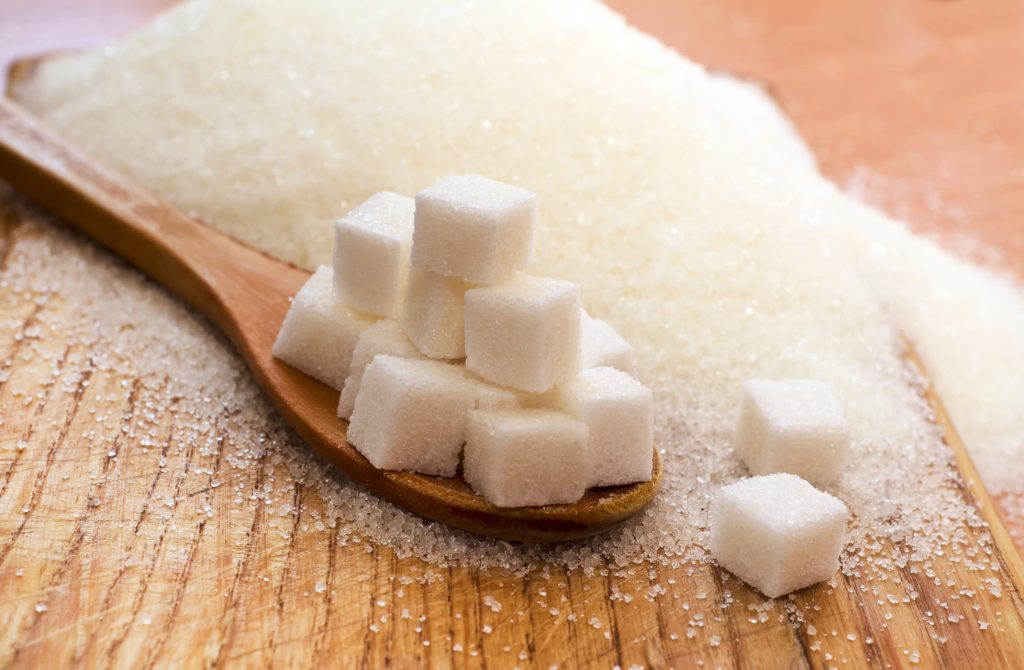
Sugar Awareness Week is a public health campaign led by Action on Sugar to raise awareness of the health impacts of excess free sugars.
- Rule
- Set each year by the organiser
- Length
- 7 days
- Type
- Awareness campaign
- About
- Health
- Run by
- Action on Sugar
- Observed in
- UK
- Search rank among awareness campaigns
- UK: 388th of 618 · US: 531st of 618
- Hashtag
- #SugarAwarenessWeek
Download the 2027 template Get the data Every date on this site as an editable calendar, or as an API and data feed.
How big it is
- UK40%
- US33%
- India12%
Dates by year
| 2026 | Monday 2 November to Sunday 8 November 2026 |
|---|
About Sugar Awareness Week
Sugar Awareness Week is an annual public health campaign dedicated to raising awareness about the excessive intake of free sugars - those added to food and drinks, as well as naturally "free" sugars in fruit juices, honey, syrups, etc. - and their negative impacts on health. Led by **Action on Sugar** in collaboration with governmental bodies and NGOs, this week promotes industry reform, policy measures, and individual behavior change to reduce sugar consumption.
When is Sugar Awareness Week?
In the UK, Sugar Awareness Week 2026 is expected to take place in November (exact dates to be confirmed), following previous observances held in mid-November 2023 (13–19 November) and 2024. The campaign traditionally aligns with the government's public health calendar to maximize impact in the run-up to holiday seasons and annual nutrition reviews.
What Happens During the Week?
- Public Engagement: GP surgeries, pharmacies, schools, libraries, workplaces, and hospitals run stalls, workshops, poster displays, and interactive events such as "guess the sugar cube content."
- Resources & Materials: Free posters, leaflets, worksheets, infographics, presentation guides, and sugar-cube visualization tools are distributed through the Action on Sugar website.
- Online Campaign: Social media outreach uses hashtags like #SugarAwarenessWeek, featuring webinars, nutritional challenges, and educational infographics.
- Industry Advocacy: The campaign highlights progress and gaps in sugar reduction by food manufacturers and restaurant sectors, urging continued voluntary reformulation - especially in the out-of-home (OOH) sector.
Why It Matters
- Most people, including children, regularly exceed recommended daily allowances for free sugars (adults: ≤30 g/day; children: 19–30 g/day depending on age), contributing to obesity, type 2 diabetes, heart disease, and dental caries.
- Free sugars are hidden in many everyday processed foods - breakfast cereals, flavored yogurts, juices - meaning people often consume more than they realise.
- The campaign addresses a critical public health issue by informing individuals and pressuring the food industry and policymakers to take responsibility.
How You Can Get Involved
- Organise an event: Set up a display or breakfast club in schools or community venues to demonstrate sugar content using sugar cubes or food packaging samples.
- Run a workshop: Use free teaching materials to show how to read labels and identify “free” sugar, suitable for all ages.
- Host a low-sugar bake sale: Promote healthier alternatives; two leading UK resources (Change4Life, BBC) offer recipes.
- Engage online: Share tips, infographics, and recipes via social media with the hashtag #SugarAwarenessWeek; participate in challenges like “swap the sugar.”
- Write to Institutions: Encourage local councils, MPs, schools, healthcare providers, restaurants, and supermarkets to commit to reducing added sugars.
- Use tools: Encourage downloading apps such as **FoodSwitch**, which rates foods by fat, salt, sugar, and calories.
Key Messages & Statistics
- Recommended limits: Adults – no more than 30 g free sugars/day (~7 teaspoons); children under 4 – none; ages 4–6 – ≤19 g/day; ages 7–11 – ≤24 g, ages 11+ – ≤30 g.
- Sources of sugar: Commercial breakfasts, pastries, ready meals, sticky snacks, juices, fizzy drinks often exceed these limits in single servings.
- Health risks: Obesity, type 2 diabetes, dental decay are linked to excess free sugar intake - educating children early supports long-term health.
Relevant Links
From the Almanac
Record 65914. Guide last edited 28 September 2026. Spotted a wrong date? Tell us and we will check it with the organiser.
Get this record as data