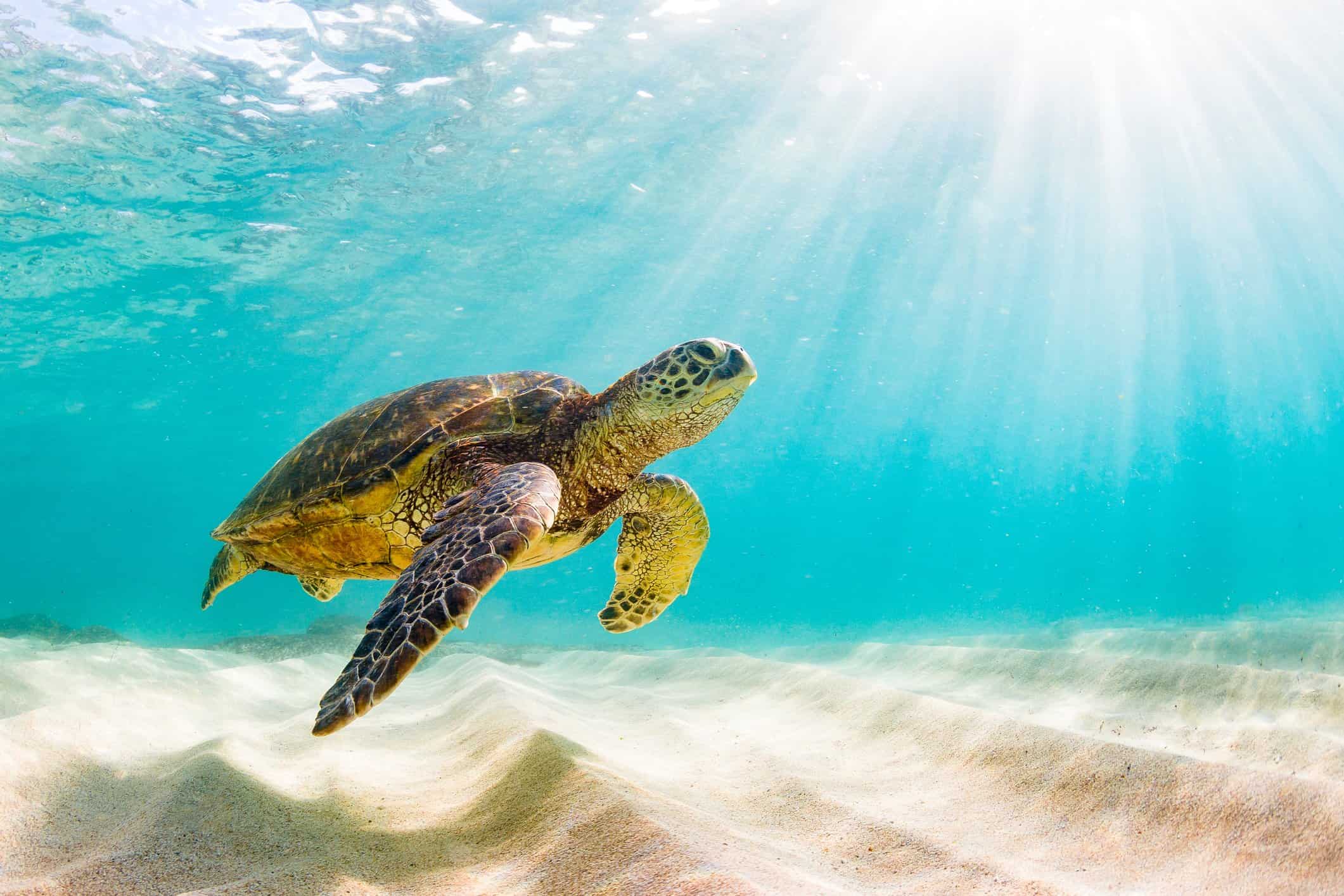
World Shark Day is observed every year on July 14th to celebrate one of the ocean’s most iconic and misunderstood creatures. This global awareness day seeks to promote shark conservation, challenge negative stereotypes, and raise awareness about the vital role sharks play in maintaining healthy marine ecosystems. As apex predators, sharks are essential to ocean balance — yet millions are killed every year due to overfishing, habitat loss, and harmful myths.
What is World Shark Day?
World Shark Day is an international observance dedicated to shark preservation and education. It aims to improve public perception of sharks, encourage ocean stewardship, and highlight the importance of protecting shark populations from extinction. The day is used by marine biologists, conservationists, and animal welfare groups to launch campaigns, host educational programmes, and advocate for policy reform to end destructive practices such as shark finning and bycatch.
When is World Shark Day?
World Shark Day is celebrated on July 14th each year. It is part of a broader summer calendar of ocean and marine life events and is often confused with Shark Awareness Day — a similarly themed observance. July 14th is increasingly recognised by wildlife organisations and environmentalists as a key opportunity to highlight the plight and power of sharks in the wild.
Why World Shark Day matters
Sharks have been swimming the oceans for over 400 million years, but today they face a growing threat from human activity. Over 100 million sharks are killed annually, largely for their fins, meat, and liver oil. Many species are now critically endangered. Despite their fearsome reputation, sharks are essential to the ocean’s food chain, keeping populations in balance and ensuring the health of coral reefs and seagrass beds. World Shark Day reminds us that preserving sharks is not only a matter of biodiversity but of planetary survival.
How to get involved in World Shark Day
- Learn about different shark species and their roles in marine ecosystems.
- Watch documentaries or read books that challenge shark myths and explore their true behaviour.
- Support shark conservation groups through donations or volunteer work.
- Refuse to support restaurants or retailers that trade in shark fins or related products.
- Share facts, videos, and positive messages about sharks on social media using official hashtags.
- Organise school or community discussions around marine conservation.
History of World Shark Day
Although World Shark Day is not officially designated by the United Nations, it has grown in popularity through grassroots campaigns and environmental networks over the past decade. Shark conservation organisations began using July 14th as a global rallying point to advocate for stronger protections, particularly in response to growing concern over finning and declining populations. It is often celebrated alongside broader ocean initiatives and marine biodiversity awareness campaigns.
Facts About Sharks and Conservation
- There are over 500 species of sharks, ranging from the tiny dwarf lanternshark to the enormous whale shark.
- Sharks are slow to reproduce — some species only give birth every two years — making them especially vulnerable to overfishing.
- Shark finning, the practice of removing fins and discarding the rest of the shark at sea, is responsible for tens of millions of deaths annually.
- Sharks help regulate fish populations and are critical to preventing species imbalance in ocean food webs.
- Many countries and international bodies have now introduced shark sanctuaries and fishing bans to protect vulnerable species.
Hashtags
#WorldSharkDay #ProtectSharks #SharkConservation #SaveOurOceans #SharksAreVital
Links


Related Events