Hepatitis Awareness Month
May 1 - May 31
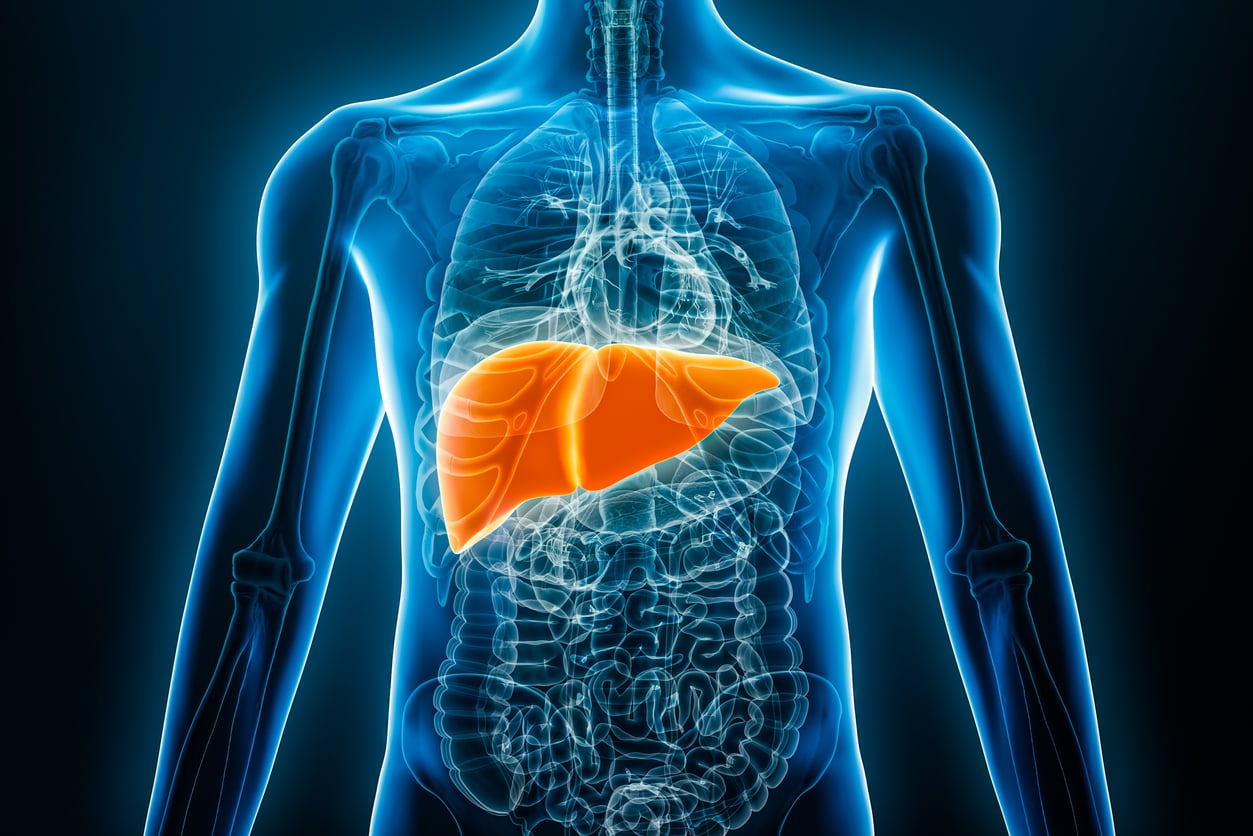
About Hepatitis Awareness Month
Hepatitis Awareness Month is observed throughout May each year, raising awareness about viral hepatitis, a group of infectious diseases that affect the liver and remain a major global health challenge. The US Department of Health and Human Services (HHS), the Centers for Disease Control and Prevention (CDC), and organisations worldwide use the month to promote testing, vaccination, and treatment for hepatitis A, B, and C. With an estimated 354 million people living with chronic hepatitis B or C globally, the month aims to reduce stigma and encourage early detection.
What is Hepatitis Awareness Month?
Hepatitis Awareness Month is a public health observance dedicated to educating communities about viral hepatitis and the steps people can take to protect themselves. Viral hepatitis refers to inflammation of the liver caused by a virus, with the most common types being hepatitis A, hepatitis B, and hepatitis C. Each type spreads differently and carries different risks. Hepatitis A is typically short-term and spread through contaminated food or water. Hepatitis B and C can become chronic infections, leading to liver cirrhosis, liver cancer, and liver failure if left untreated. The month includes Hepatitis Testing Day on 19 May, a focused call for people to get screened.
When is Hepatitis Awareness Month?
Hepatitis Awareness Month takes place throughout the entire month of May each year. In 2026, it runs from Friday, 1 May to Sunday, 31 May. The dates are fixed and do not change from year to year. Key dates within the month include Hepatitis Testing Day on 19 May.
Why Hepatitis Awareness Month Matters
Viral hepatitis is one of the leading causes of death worldwide, responsible for approximately 1.3 million deaths per year according to the World Health Organization. Many of those living with chronic hepatitis B or C are unaware of their infection because the disease can remain asymptomatic for years or even decades while silently damaging the liver. In the United States, an estimated 2.4 million people are living with hepatitis C, and around 860,000 have chronic hepatitis B, yet a significant proportion remain undiagnosed.
The good news is that hepatitis A and B are preventable through vaccination, and hepatitis C is now curable with direct-acting antiviral medications that achieve cure rates above 95%. The CDC recommends that all adults aged 18 and older be screened at least once for both hepatitis B and hepatitis C. Hepatitis Awareness Month exists to close the gap between what is medically possible and what is actually happening in communities: getting more people tested, vaccinated, and treated before the disease causes irreversible damage.
How to Get Involved in Hepatitis Awareness Month
Whether you are a healthcare professional, someone living with hepatitis, or a concerned community member, there are many ways to participate:
- Get tested – Ask your healthcare provider for hepatitis B and C screening. Testing is simple, usually requiring only a blood test, and is recommended at least once for all adults. Use Hepatitis Testing Day on 19 May as your prompt.
- Get vaccinated – Safe, effective vaccines exist for hepatitis A and hepatitis B. If you have not been vaccinated, talk to your doctor. The CDC recommends hepatitis B vaccination for all infants, children, and adults up to age 59, and for adults 60 and older with risk factors.
- Talk to your doctor about treatment – If you have been diagnosed with chronic hepatitis B or C, modern treatments are highly effective. Hepatitis C can be cured in most cases with a course of antiviral medication lasting 8 to 12 weeks.
- Share your story – If you are living with hepatitis or have been cured, sharing your experience can help reduce stigma and encourage others to get tested and treated.
- Organise a screening event – Healthcare providers and community organisations can partner to offer free or low-cost hepatitis screening at clinics, community centres, and workplaces during May.
- Educate yourself and others – Learn the differences between hepatitis A, B, and C, how each is transmitted, and how to reduce risk. Share reliable information from sources like the CDC and the Hepatitis B Foundation.
- Support liver health charities – Donate to organisations like the Hepatitis B Foundation, the American Liver Foundation, or the World Hepatitis Alliance that fund research, education, and patient support.
History of Hepatitis Awareness Month
The formal recognition of May as Hepatitis Awareness Month in the United States has been supported by federal agencies including the HHS and the CDC. The observance grew from the broader viral hepatitis elimination strategy that the US government has pursued since the early 2000s. In 2010, the Institute of Medicine published a landmark report, “Hepatitis and Liver Cancer: A National Strategy for Prevention and Control,” which called for increased awareness, screening, and treatment. This report helped galvanise federal and state efforts to designate May as a month of focused hepatitis education.
The discovery and understanding of viral hepatitis has evolved over decades. Hepatitis B was identified in 1965 by Dr Baruch Blumberg, who won the Nobel Prize in Physiology or Medicine in 1976 for his work. A hepatitis B vaccine became available in 1982, making it one of the first vaccines to prevent a form of cancer (liver cancer). Hepatitis C was identified later, in 1989, by a team including Harvey Alter, Michael Houghton, and Charles Rice, who shared the Nobel Prize in 2020 for their discovery. The development of direct-acting antiviral drugs in the 2010s transformed hepatitis C from a chronic, often fatal condition into a curable disease.
Hepatitis Testing Day, observed on 19 May, was established in 2012 to mark the birthday of Dr Blumberg and reinforce the message that testing is the essential first step toward prevention and cure. The day has become a cornerstone of Hepatitis Awareness Month, with free testing events held at clinics and community centres across the country.
Noteworthy Facts About Hepatitis
- An estimated 354 million people worldwide live with chronic hepatitis B or C, according to the World Health Organization.
- Viral hepatitis causes approximately 1.3 million deaths per year globally, comparable to tuberculosis and HIV.
- Hepatitis C is now curable with direct-acting antiviral medications that achieve cure rates above 95% in most patients.
- The hepatitis B vaccine, first available in 1982, was the first vaccine capable of preventing a cancer (liver cancer caused by chronic hepatitis B).
- Hepatitis Testing Day on 19 May honours the birthday of Dr Baruch Blumberg, who discovered the hepatitis B virus in 1965.
Frequently Asked Questions
What is Hepatitis Awareness Month?
Hepatitis Awareness Month is an annual May observance that raises awareness about viral hepatitis, promotes testing and vaccination, and encourages treatment for hepatitis B and C. It is coordinated by federal agencies and health organisations worldwide.
When is Hepatitis Awareness Month in 2026?
Hepatitis Awareness Month runs from Friday, 1 May to Sunday, 31 May 2026. Hepatitis Testing Day falls on Tuesday, 19 May 2026.
What is the difference between hepatitis A, B, and C?
Hepatitis A is usually a short-term illness spread through contaminated food or water and is preventable by vaccine. Hepatitis B spreads through blood and bodily fluids, can become chronic, and is also preventable by vaccine. Hepatitis C spreads primarily through blood contact, can become chronic, and while there is no vaccine, it is curable with antiviral medication.
Spread the Word
Help raise awareness about hepatitis by sharing this page and encouraging others to get tested and vaccinated. Use the hashtags #HepatitisAwarenessMonth and #HepatitisAwarenessMonth2026 on social media. You can also use #KnowHepatitis and #HepTestingDay to join the conversation. Testing is simple, treatment is effective, and awareness saves lives.
Related Awareness Days
- Hepatitis Testing Day – Observed on 19 May, this day encourages everyone to get tested for hepatitis B and C, honouring the birthday of hepatitis B discoverer Dr Baruch Blumberg.
- World Hepatitis Day – Held on 28 July, this WHO-recognised global awareness day calls for action to eliminate viral hepatitis as a public health threat.
- World Health Day – Celebrated on 7 April, this day raises awareness about pressing global health issues, including infectious diseases like hepatitis.
Links
- Visit the HHS Hepatitis Awareness Month page
- Visit the CDC Viral Hepatitis Awareness page
- Explore more awareness days at AwarenessDays.com
Plan your next campaign
Use Awareness Planner to discover events, build content calendars, and stay ahead of key dates.







2026 Awareness Days Wall Planner
Every key awareness day at a glance. Perfect for offices, staff rooms, and team planning.
View Calendar →