

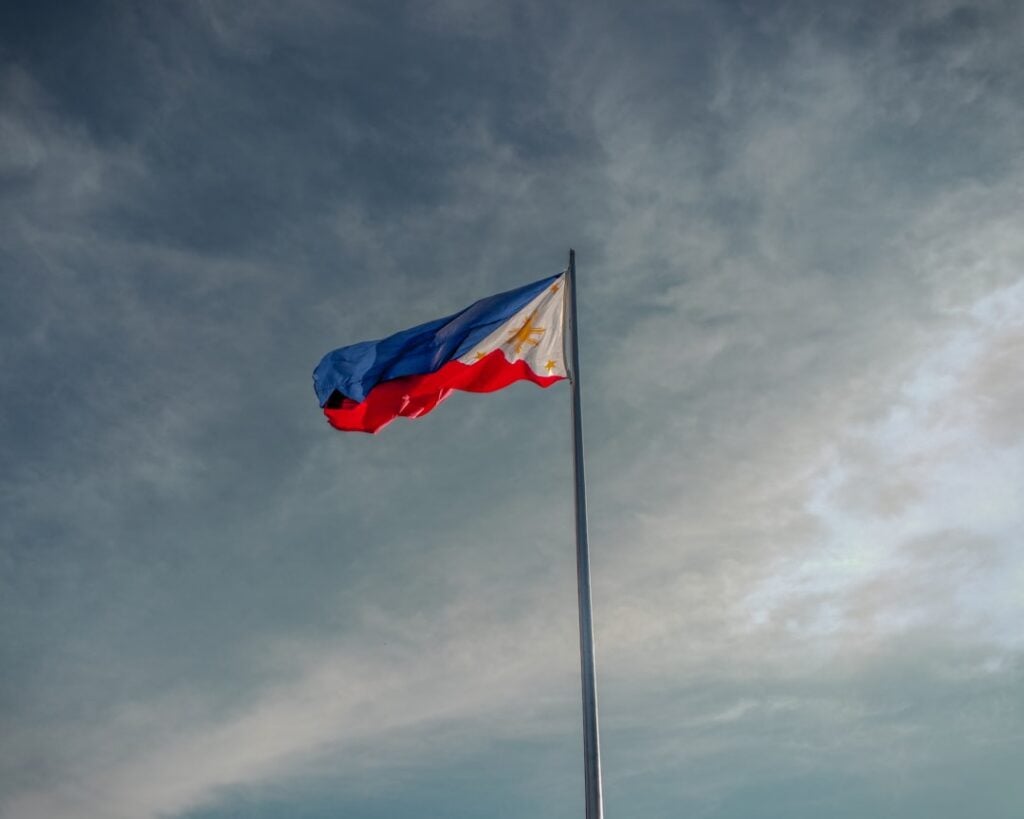
National Heroes’ Day 2027
Monday 30 August 2027 · the last Monday of August each year
National Heroes’ Day is a public holiday in the Philippines observed on the last Monday of August each year.
Also on 30 August: National Toasted Marshmallow Day · UK Summer Bank Holiday · National Grief Awareness Day
What is National Heroes’ Day?
National Heroes’ Day 2026 was on Monday 31 August 2026. The next National Heroes’ Day is on Monday 30 August 2027.
National Heroes’ Day is a public holiday in the Philippines observed on the last Monday of August each year. The day honours the collective heroism of Filipino men and women who fought and sacrificed for the nation’s freedom, beginning with the Philippine Revolution of 1896. In 2026, National Heroes’ Day falls on 31 August. The observance traces its roots to the Cry of Pugad Lawin, the pivotal moment in August 1896 when Andres Bonifacio and the Katipunan launched their armed struggle against Spanish colonial rule.
National Heroes’ Day, known in Filipino as Araw ng mga Bayani, is a national public holiday in the Philippines that recognises both named and unnamed heroes who contributed to the country’s independence and development. Unlike other Philippine holidays that honour specific individuals, such as Rizal Day on 30 December or Bonifacio Day on 30 November, National Heroes’ Day is explicitly collective in its tribute. It honours all who served the nation, from celebrated revolutionary leaders to ordinary citizens whose sacrifice has gone unrecorded.
The day is marked by a range of official and community activities. State ceremonies are held in Manila and across the country’s provinces, with flags flown, wreaths laid at monuments, and speeches delivered by government officials. Schools and cultural organisations use the occasion to educate young Filipinos about the country’s revolutionary history and the figures who shaped it.
National Heroes’ Day is also an opportunity for reflection on what heroism means in contemporary terms. Alongside the historical tributes, many Filipinos use the day to recognise modern heroes: frontline workers, disaster responders, overseas Filipino workers who support their families from abroad, and community leaders who serve others without expectation of recognition.
When is National Heroes’ Day?
National Heroes’ Day falls on the last Monday of August each year, a schedule established by Republic Act No. 9492, signed on 24 July 2007. This legislation moved a number of Philippine public holidays to the nearest Monday to create long weekends and support domestic tourism. In 2026, the last Monday of August falls on 31 August. In earlier years, the holiday had been observed on the last Sunday of August.
Plan around National Heroes’ Day and every key date in August
The Awareness Days Toolkit puts every awareness day for 2026 and 2027 in a spreadsheet, printable PDF calendars and an iCal feed that keeps itself up to date.
Why National Heroes’ Day Matters
National Heroes’ Day holds deep significance for Filipino national identity. The Philippine Revolution of 1896 was a defining moment in the country’s history: the first major armed uprising by Filipinos against Spanish colonial rule, which had lasted more than 300 years. The revolution was ignited by the Cry of Pugad Lawin, and the heroism displayed by those who joined the Katipunan and subsequent independence movements set the foundation for the Philippine republic.
The holiday acknowledges that the nation’s freedom was not given but won, often at enormous personal cost. Many of the Filipinos who fought in the revolution were ordinary people: farmers, artisans, students, and workers who chose to act in the face of overwhelming colonial power. Honouring them collectively ensures that their sacrifice is not reduced to a footnote in the biographies of better-known leaders.
The day also speaks to an ongoing cultural conversation about who counts as a hero and how heroism manifests in everyday life. In the Philippines, the concept of the bayani (hero) carries a weight that extends beyond the battlefield. It encompasses self-sacrifice for the common good, a value that remains central to Filipino cultural identity.
How to Get Involved
For Filipinos at home and abroad, there are many ways to observe National Heroes’ Day meaningfully:
- Visit a monument or memorial. National shrines, such as the Rizal Monument in Luneta Park, Manila, and the Andres Bonifacio Monument in Caloocan, hold official ceremonies on Heroes Day. Members of the public are welcome to attend and pay their respects.
- Learn about Philippine history. Use the occasion to read about the Philippine Revolution, the Katipunan, and the nine official national heroes identified by the National Heroes Committee. The National Museum of the Philippines and the National Historical Commission provide authoritative resources.
- Recognise a modern hero. Take a moment to acknowledge someone in your community whose quiet service and sacrifice deserves public recognition. Share their story on social media using the hashtag #ArawNgMgaBayani.
- Support Filipino cultural organisations. Many diaspora communities around the world hold cultural events on National Heroes’ Day. Attending or supporting these events is a way to stay connected to Filipino heritage and history.
- Teach young people. Parents and teachers can use National Heroes’ Day as a starting point for conversations about history, civic responsibility, and what it means to serve others.
History of National Heroes’ Day
The origins of National Heroes’ Day are rooted in the Philippine Revolution of 1896, specifically in the events of August of that year. On 23 August 1896, Andres Bonifacio and members of the Katipunan gathered in the Balintawak area of what is now Quezon City. In an act of symbolic defiance against Spanish colonial authority, they tore up their cedulas, the residence certificates that all male Filipinos were required to carry. This event, known as the Cry of Pugad Lawin, marked the official beginning of the armed Philippine Revolution.
The revolution led to a protracted struggle for independence that would last years and involve multiple phases of conflict, including a war against the United States following the Spanish-American War of 1898. The heroes of the revolution, both celebrated and anonymous, became central figures in the formation of Filipino national identity in the 20th century.
The Philippine Legislature formally established a National Heroes Day holiday through Act No. 3827 on 28 October 1931, during the American colonial period. The legislation placed the holiday on the last Sunday of August, connecting it to the late-August revolutionary events of 1896. In 2007, Republic Act No. 9492 moved the observance to the last Monday of August as part of a broader rationalisation of public holidays.
The nine official national heroes recognised by the Philippine government were identified by the National Heroes Committee in 1995. They are Jose Rizal, Andres Bonifacio, Emilio Aguinaldo, Apolinario Mabini, Marcelo H. del Pilar, Sultan Dipatuan Kudarat, Juan Luna, Melchora Aquino, and Gabriela Silang. National Heroes’ Day celebrates all of them, as well as the countless ordinary Filipinos whose names were never recorded but whose contributions were no less essential.
Noteworthy Facts
- National Heroes’ Day is formally established by Republic Act No. 9492, which moved the holiday to the last Monday of August.
- The Philippine Revolution was ignited by the Cry of Pugad Lawin in August 1896, when Andres Bonifacio and Katipunan members tore their cedulas as an act of defiance against Spanish colonial rule.
- Nine official national heroes are recognised by the Philippine government, including Jose Rizal, Andres Bonifacio, Gabriela Silang, and Juan Luna.
- Unlike Rizal Day and Bonifacio Day, National Heroes’ Day is a collective tribute rather than one dedicated to a single individual.
- The Katipunan, founded by Andres Bonifacio in 1892, is estimated to have had hundreds of thousands of members at its peak.
- National Heroes’ Day is a public holiday throughout the Philippines, with official ceremonies at national shrines in Manila and across the provinces.
Hashtags
Frequently asked questions
When is National Heroes’ Day?
National Heroes’ Day is on 30 August 2027. It is held the last Monday of August each year.
What is National Heroes’ Day?
National Heroes’ Day is a public holiday in the Philippines observed on the last Monday of August each year.
More awareness days in August
See all → 30 Aug30 AugMondaySeasonalUKUK Summer Bank Holiday
 8 Aug8 AugSundayAnimals & WildlifeUK, US, Australia and worldwideInternational Cat Day 2027
 19 Aug19 AugThursdayCommunityInternationalWorld Humanitarian Day 2027
 19 Aug19 AugThursdayArts & Culture AwarenessInternationalWorld Photography Day 2027
 23 Aug – 6 SepWeek23 Aug to 6 SepWeekSeasonalInternationalBack to School 2027
 26 Aug26 AugThursdayAnimals & WildlifeInternationalNational Dog Day 2027
 30 Aug30 AugMondayFood & NutritionUSNational Toasted Marshmallow Day 2027
 30 Aug30 AugMondayAugust Awareness DaysUSNational Grief Awareness Day