CalendarNovelty day
Tell a Fairy Tale Day
Friday 26 February 2027
By conventionNo organisation sets this date. Independent calendars agree on it, checked 18 November 2026.
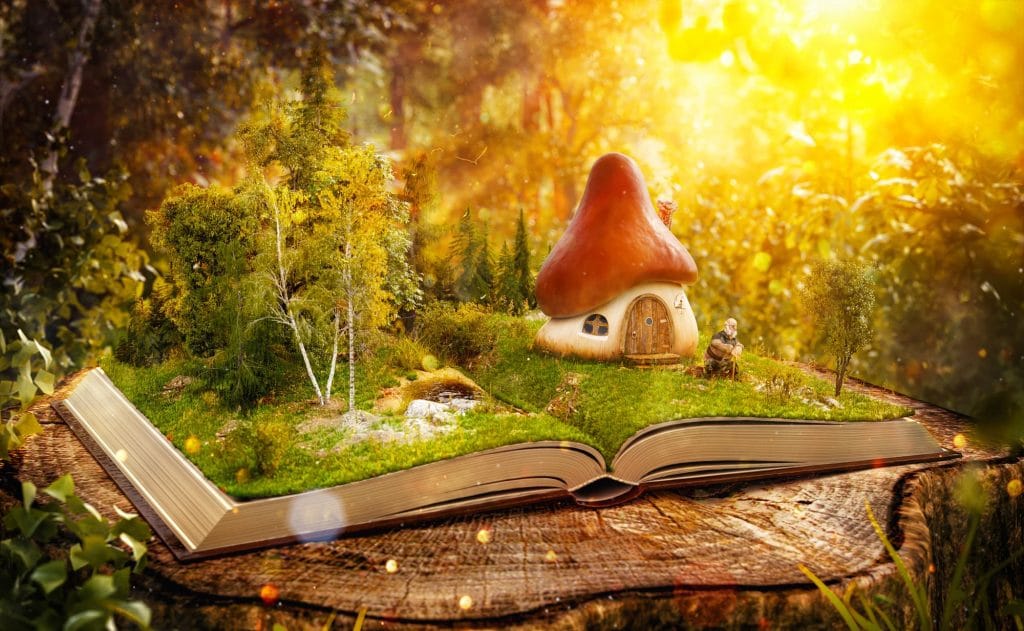
An informal observance encouraging people to read and tell fairy tales to children and enjoy favourite childhood stories.
- Rule
- 26 February every year
- Length
- One day
- Type
- Novelty day
- About
- Arts and culture
- Standing
- No owner; kept by custom
- Search rank among novelty days
- UK: 185th of 356 · US: 234th of 356
- Hashtag
- #TellAFairyTaleDay
Download the 2027 template Get the data Every date on this site as an editable calendar, or as an API and data feed.
When interest builds
Interest starts around 15 January, 42 days out. Half of it has arrived by 22 February.
How big it is
- US51%
- Japan10%
- UK8%
- Australia5%
Dates by year
| 2026 | Thursday 26 February 2026 |
|---|---|
| 2027 | Friday 26 February 2027 |
| 2028 | Saturday 26 February 2028 |
What is Tell a Fairy Tale Day?
Tell a Fairy Tale Day is an informal observance held on 26 February each year that encourages people to read, tell and listen to fairy tales. It is best known in the United States, where it is often listed as National Tell a Fairy Tale Day, and is also picked up by schools and libraries in the UK, Canada, Australia and elsewhere. No organisation runs it.
A fairy tale is a short story from the folklore tradition that typically features magic, enchantments and mythical or fanciful beings such as fairies, giants, witches, dragons and talking animals. Fairy tales are set "once upon a time" instead of in a real period, and rarely refer to actual places, people or events.
History of Tell a Fairy Tale Day
The origin of the day is not recorded. The National Day Calendar, which lists it, says it has been unable to find who created it or when, and no founding organisation has come forward. It appears to have spread through calendars, libraries, schools and social media.
The stories themselves are far older than the observance:
- Fairy tales circulated orally long before they were written down. Researchers at universities in Durham and Lisbon have argued that some tales may date back thousands of years, a few as far as the Bronze Age.
- Renaissance writers in Italy, including Giovanni Francesco Straparola and Giambattista Basile, were among the first to publish them as literature.
- The term comes from the French "conte de fées", used by Madame d'Aulnoy for the stories she published in the late 17th century.
- Charles Perrault's collection of 1697 fixed the familiar forms of "Sleeping Beauty" and "Cinderella".
- In the 19th century the Brothers Grimm in Germany set out to preserve the features of oral tales, while Hans Christian Andersen in Denmark wrote new stories using fairy tale motifs.
Folklorists now catalogue the recurring plots of these stories in the Aarne-Thompson-Uther Index, which groups related tales from different cultures under shared type numbers.
How to take part in Tell a Fairy Tale Day
The day asks for nothing more than a story and someone to share it with.
- Tell one aloud. Fairy tales began as spoken stories. Try telling a favourite from memory instead of reading it.
- Read an older version. Compare a modern picture book or film with the Perrault or Grimm text of the same tale and talk about what has changed.
- Look beyond Europe. Public libraries hold collections of folk and fairy tales from Africa, Asia, the Americas and the Pacific. Similar plots turn up in very different cultures.
- Write a new one. In classrooms, pupils can retell a tale from another character's point of view, move it to the present day or invent their own using the classic ingredients: a hero, a task, a helper and a transformation.
- Hold a story session. Libraries, bookshops, nurseries and care homes can host a read-aloud hour or invite a storyteller.
Why Tell a Fairy Tale Day matters
Fairy tales are often the first stories children hear, and they pass on plots, characters and phrases that later reading and film depend on. Telling them aloud builds listening and vocabulary, and gives adults and children a shared stock of stories. For older readers the day is a reason to revisit tales they last met in childhood and see how much of the original was darker, stranger or funnier than they remember.
Related awareness days
- Dragon Appreciation DayNovelty dayBy convention
- Winnie The Pooh DayNovelty dayBy convention
- National Kazoo DayNovelty dayBy convention
- Pinocchio DayNovelty dayCross-checked
- Day of the DudeNovelty dayConfirmed
- National Crayon DayNovelty dayBy convention
More from the calendar
February awareness daysArts & Culture AwarenessArts, Culture & HeritageFun & Quirky Awareness DaysFull calendar
From the Almanac
Record 61555. Guide last edited 18 November 2026. Spotted a wrong date? Tell us and we will check it with the organiser.
Get this record as data