International Day of Human Space Flight 2026
April 12
About International Day of Human Space Flight 2026
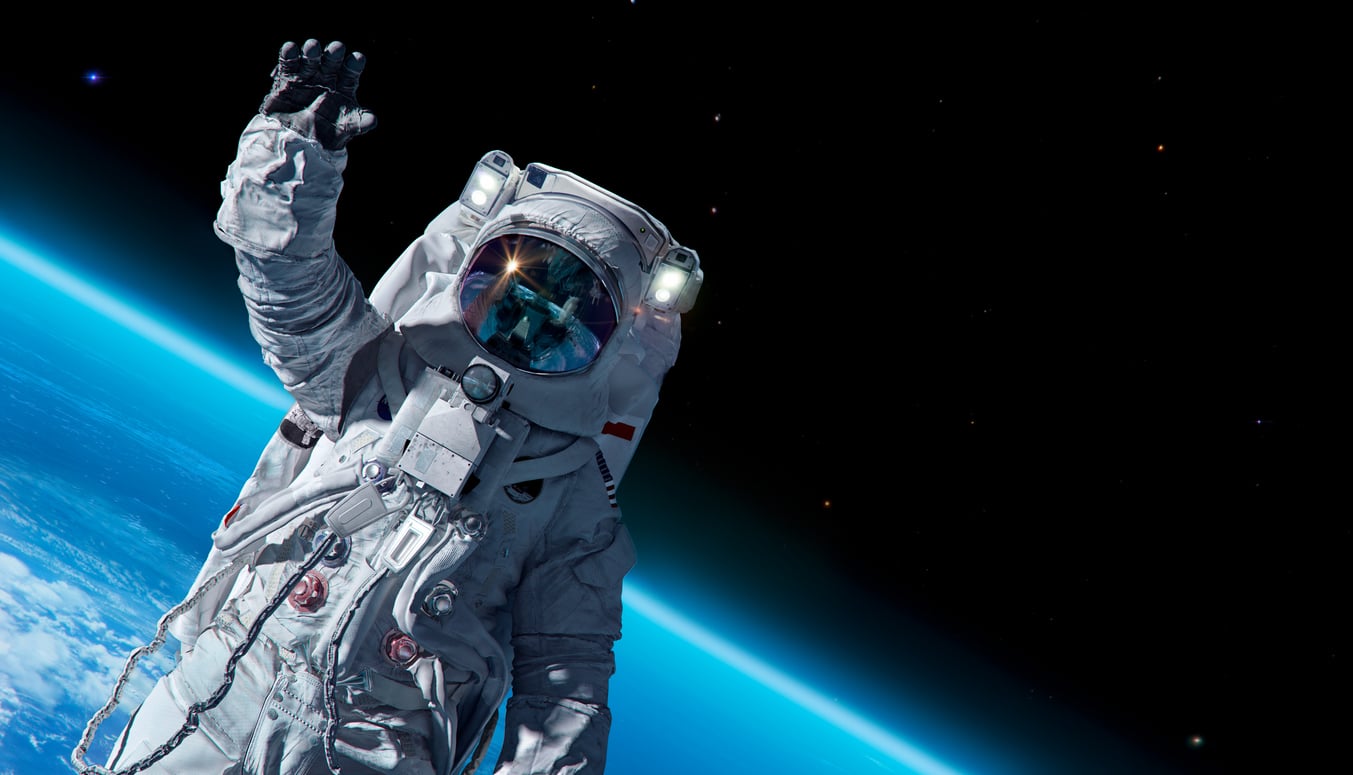
The International Day of Human Space Flight is observed every year on 12 April, marking the anniversary of Yuri Gagarin’s groundbreaking orbital flight in 1961. Declared by the United Nations General Assembly in 2011 through resolution A/RES/65/271, the day celebrates the dawn of the space era and reaffirms the importance of space science and technology for sustainable development and peaceful international cooperation.
What is the International Day of Human Space Flight?
The International Day of Human Space Flight is a United Nations-designated observance that honours the anniversary of the first human journey into outer space. On 12 April 1961, Soviet cosmonaut Yuri Gagarin launched aboard the Vostok 1 spacecraft from Baikonur Cosmodrome in present-day Kazakhstan, completing a single orbit of Earth in 108 minutes. The day recognises not only Gagarin’s achievement but the broader contributions of human spaceflight to science, technology, and international cooperation. It is observed by space agencies, educational institutions, museums, and communities across the globe.
When is the International Day of Human Space Flight?
The International Day of Human Space Flight falls on Sunday, 12 April 2026. The date is fixed each year on 12 April, coinciding with the anniversary of Gagarin’s 1961 flight. It also shares the date with the first launch of NASA’s Space Shuttle Columbia (STS-1) on 12 April 1981, adding a second layer of significance to the occasion.
| Year | Date |
|---|---|
| 2025 | Saturday, 12 April |
| 2026 | Sunday, 12 April |
| 2027 | Monday, 12 April |
| 2028 | Wednesday, 12 April |
| 2029 | Thursday, 12 April |
The Story Behind the International Day of Human Space Flight
The story begins on a spring morning in 1961 at the Baikonur Cosmodrome in the Kazakh steppe. Yuri Alekseyevich Gagarin, a 27-year-old Soviet Air Force pilot selected from over 3,000 candidates, was strapped into the cramped Vostok 3KA capsule atop a modified R-7 intercontinental ballistic missile. At 09:07 Moscow Time on 12 April, the rocket engines ignited. Gagarin reportedly exclaimed “Poyekhali!” (“Let’s go!”) as the spacecraft lifted off, carrying the first human being beyond Earth’s atmosphere.
The flight lasted just 108 minutes. Vostok 1 reached an orbital altitude of approximately 327 kilometres, travelling at nearly 28,000 kilometres per hour. Gagarin completed one full orbit of Earth before re-entering the atmosphere. At around 7 kilometres altitude, he ejected from the capsule as planned and parachuted to the ground near the city of Saratov in southern Russia. The achievement sent shockwaves through the global community. The Soviet Union had already placed the first artificial satellite, Sputnik, into orbit in 1957, but putting a human into space and returning him safely was an entirely different feat of engineering, medicine, and courage.
The United States responded swiftly. Alan Shepard became the first American in space on 5 May 1961, though his suborbital flight aboard Freedom 7 lasted only 15 minutes. It was not until 20 February 1962 that John Glenn matched Gagarin’s orbital achievement aboard Friendship 7, completing three orbits of Earth. The space race between the two superpowers would ultimately culminate in the Apollo 11 Moon landing on 20 July 1969.
Exactly twenty years after Gagarin’s flight, on 12 April 1981, NASA launched the Space Shuttle Columbia on its maiden voyage (STS-1), ushering in a new chapter of reusable spaceflight. This coincidence of dates gave 12 April a dual significance in spaceflight history. In 2001, space enthusiasts Loretta Hidalgo Whitesides, George Whitesides, and others founded Yuri’s Night, an annual global celebration held on or around 12 April to honour the anniversary with parties, educational events, and public engagement.
A decade later, on 7 April 2011, the United Nations General Assembly adopted resolution A/RES/65/271, formally declaring 12 April as the International Day of Human Space Flight. The resolution was introduced by the Russian Federation and co-sponsored by more than 35 member states, including China, India, Brazil, Italy, and Kazakhstan. It recognised that “space science and technology contribute to achieving sustainable development goals and increasing the well-being of States and peoples” and emphasised the aspiration to maintain outer space for peaceful purposes.
How the Day is Celebrated
Celebrations span the globe and take many forms, from formal institutional events to grassroots community gatherings. Here are some of the ways people mark the occasion:
- Yuri’s Night parties — Held at hundreds of locations worldwide, these space-themed events feature music, dancing, science talks, and appearances by astronauts. Major 2026 events are planned at the Griffith Observatory in Los Angeles, the Museum of Flight in Seattle, and the Kennedy Space Center Visitor Complex in Florida.
- Museum and planetarium events — Science museums and planetariums host special exhibitions, screenings, and telescope viewings. Many offer free or discounted admission to encourage public engagement with space science.
- Educational workshops — Schools and universities organise STEM-focused activities including model rocket building, space history lectures, and virtual tours of the International Space Station.
- Space agency open days — Agencies such as NASA, ESA (European Space Agency), JAXA, and others hold public lectures, livestreams, and behind-the-scenes tours of their facilities.
- Film screenings and documentaries — Communities screen films about space exploration, from archival footage of Gagarin’s flight to modern documentaries about the International Space Station and Mars missions.
- Social media campaigns — Organisations and individuals share stories, photographs, and tributes using hashtags like #HumanSpaceFlightDay. NASA and ESA regularly post archival images and astronaut interviews on the day.
- Stargazing events — Astronomy clubs organise public stargazing sessions, often timed to coincide with visible passes of the International Space Station overhead.
Why the International Day of Human Space Flight Matters
Human spaceflight has produced far more than moments of national pride. The technologies developed for space missions have led to advances in medicine, communications, materials science, and environmental monitoring that benefit billions of people on Earth. Water purification systems, memory foam, scratch-resistant lenses, and satellite-based weather forecasting all trace their origins to space research. The International Space Station, continuously inhabited since November 2000, serves as a floating laboratory where scientists from dozens of countries collaborate on research that would be impossible under the pull of gravity.
The day also serves as a reminder of what international cooperation can achieve. The ISS is a joint project involving NASA, Roscosmos, ESA, JAXA (Japan), and the CSA (Canada), and it has hosted astronauts and cosmonauts from over 20 nations. At a time when geopolitical tensions can dominate the news, the peaceful use of outer space remains one of the great examples of cross-border collaboration. If you are interested in how collaborative scientific endeavours are celebrated, World Space Week in October offers another opportunity to engage with space science and exploration.
Noteworthy Facts
- Gagarin’s Vostok 1 flight lasted exactly 108 minutes, from launch to landing, covering a distance of approximately 40,000 kilometres around the Earth.
- At 27 years old, Gagarin was selected from over 3,000 initial candidates for the Soviet space programme. His short stature (157 cm / 5 ft 2 in) was an advantage in the cramped Vostok capsule.
- The first Space Shuttle launch (STS-1) on 12 April 1981, exactly 20 years after Gagarin’s flight, was not a deliberate scheduling choice — NASA has said the date alignment was coincidental.
- As of 2026, over 600 people from more than 40 countries have travelled to space, and the International Space Station has been continuously occupied for over 25 years.
- Yuri’s Night, the grassroots celebration of the anniversary, has hosted events in over 75 countries since its founding in 2001, making it one of the largest annual space-themed celebrations on Earth.
Frequently Asked Questions
What is the International Day of Human Space Flight?
The International Day of Human Space Flight is a United Nations observance held on 12 April each year. It commemorates Yuri Gagarin’s first human spaceflight in 1961 and celebrates the contributions of space science and technology to sustainable development and peaceful cooperation.
When is the International Day of Human Space Flight in 2026?
The International Day of Human Space Flight falls on Sunday, 12 April 2026. The date is fixed and does not change from year to year.
Who established the International Day of Human Space Flight?
The United Nations General Assembly established the day on 7 April 2011 through resolution A/RES/65/271. The resolution was introduced by the Russian Federation and co-sponsored by more than 35 member states, marking the 50th anniversary of Gagarin’s historic flight.
What is Yuri’s Night?
Yuri’s Night is a global celebration held on or around 12 April each year, founded in 2001 by Loretta Hidalgo Whitesides and George Whitesides. Events range from space-themed dance parties to educational talks, and they take place at hundreds of venues in over 75 countries. For astronomy enthusiasts, International Astronomy Day offers another way to engage with the cosmos.
Spread the Word
Help raise awareness by sharing the International Day of Human Space Flight with your friends, family, and followers. Use the hashtags #HumanSpaceFlightDay and #HumanSpaceFlightDay2026 on social media. The more people who know about this day, the bigger the impact.
Related Awareness Days
- World Space Week — Held from 4-10 October each year, this UN-declared week celebrates the contributions of space science and technology to the betterment of the human condition.
- National Moon Day and Apollo Moon Landing Anniversary — Observed on 20 July, this day marks the anniversary of the Apollo 11 Moon landing in 1969 and honours the astronauts who made it possible.
- International Astronomy Day — A day dedicated to bringing astronomy to the public through telescope viewings, planetarium events, and stargazing sessions.
Links
- Visit the official United Nations page for the International Day of Human Space Flight
- Yuri’s Night — the global celebration of human spaceflight
- Explore more awareness days at AwarenessDays.com
Plan your next campaign
Use Awareness Planner to discover events, build content calendars, and stay ahead of key dates.







2026 Awareness Days Wall Planner
Every key awareness day at a glance. Perfect for offices, staff rooms, and team planning.
View Calendar →