National Child Abuse Prevention Month 2026
April 1 - April 30
About National Child Abuse Prevention Month 2026
National Child Abuse Prevention Month is observed every April across the United States. Designated by presidential proclamation since 1983, the month calls on communities, organisations, and individuals to take action in protecting children from abuse and neglect. The 2026 theme, “Pinwheels of Possibility,” highlights the collective responsibility of families, communities, and support systems in creating safe environments where every child can thrive.
What is National Child Abuse Prevention Month?
National Child Abuse Prevention Month is a federally recognised observance dedicated to raising awareness about child abuse and neglect, and to promoting prevention strategies that strengthen families. Led nationally by Prevent Child Abuse America, the month brings together child welfare agencies, schools, faith communities, healthcare providers, and advocacy organisations. Activities range from public awareness campaigns and community fundraisers to policy advocacy and educational workshops. The month also serves as a rallying point for the child welfare workforce, foster carers, and volunteers who work year-round to safeguard children.
When is National Child Abuse Prevention Month?
National Child Abuse Prevention Month takes place throughout the entire month of April each year. In 2026, it runs from Wednesday, 1 April to Thursday, 30 April. The observance is fixed to April every year and has been since its inception in 1983. Key dates within the month include Wear Blue Day on Friday, 10 April 2026, the National Week of Action from 13 to 17 April, Digital Action Day on 14 April, National Home Visiting Week from 20 to 24 April, and the National Day of Giving on 28 April.
Why National Child Abuse Prevention Month Matters
The scale of child maltreatment in the United States remains staggering. According to the Administration for Children and Families, an estimated 546,159 children were confirmed victims of abuse or neglect in fiscal year 2023, with Child Protective Services agencies receiving approximately 4.4 million referrals involving roughly 7.78 million children. Most tragically, an estimated 2,000 children died from abuse and neglect that same year, with infants under one year old accounting for 44 per cent of those fatalities.
These figures underscore why prevention work is essential. Research consistently shows that early intervention programmes reduce the likelihood of maltreatment. Families receiving home visiting services are 27 per cent less likely to experience homelessness, and states with paid family leave policies have seen a 14 per cent reduction in infant abuse and neglect reports. National Child Abuse Prevention Month provides the momentum and public attention needed to expand these programmes and ensure they reach the families who need them most. If you care about family wellbeing more broadly, International Day of Families on 15 May is another opportunity to champion family support systems.
How to Get Involved in National Child Abuse Prevention Month
There are many meaningful ways to participate throughout April, whether as an individual, a workplace, or a community group:
- Wear blue on Wear Blue Day (10 April) — Don blue clothing, accessories, or ribbons to show solidarity with child abuse prevention. Share a photo on social media with the campaign hashtags to spread the message further.
- Plant a pinwheel garden — The blue-and-silver pinwheel has been the national symbol of child abuse prevention since 2008. Organisations, schools, and community groups plant pinwheel gardens outside their buildings throughout April to represent the bright futures every child deserves.
- Volunteer with a local child advocacy centre — Children’s Advocacy Centres served over 372,000 children experiencing allegations of abuse in 2024. These centres rely on volunteers for everything from administrative support to court accompaniment.
- Donate to prevention organisations — Contribute to Prevent Child Abuse America, Childhelp, the National Children’s Alliance, or a local chapter. Financial support funds crisis hotlines, home visiting programmes, and parent education classes.
- Learn the warning signs — Educate yourself on the physical, behavioural, and emotional indicators of child abuse and neglect. Knowing what to look for equips you to act when a child may be at risk.
- Support family-strengthening policies — Advocate for paid family leave, affordable childcare, and expanded home visiting programmes at the local and national level. Prevention starts with reducing the stressors that put families at risk.
- Attend or host a community awareness event — Many towns hold candlelight vigils, walks, town hall discussions, and educational forums throughout April. If your community lacks one, consider organising your own.
- Become a mandated reporter — In most US states, certain professionals are legally required to report suspected abuse. Even if you are not in a mandated role, anyone can and should report concerns to the Childhelp National Child Abuse Hotline at 1-800-422-4453.
History of National Child Abuse Prevention Month
The roots of child abuse prevention as a national priority stretch back to 1974, when President Richard Nixon signed the Child Abuse Prevention and Treatment Act (CAPTA) into law. CAPTA established the National Center on Child Abuse and Neglect and created the framework for federal funding to support state child protective services. It marked the first time the United States government formally acknowledged child maltreatment as a problem requiring a coordinated national response.
In April 1983, President Ronald Reagan issued Proclamation 5039, officially designating April as National Child Abuse Prevention Month. In his proclamation, Reagan noted that child abuse and neglect “continue to threaten the lives and health of over a million of our Nation’s children,” and he urged all citizens, governors, mayors, and voluntary organisations to renew their commitment to addressing the crisis. Every sitting president since Reagan has issued an annual proclamation reaffirming the designation.
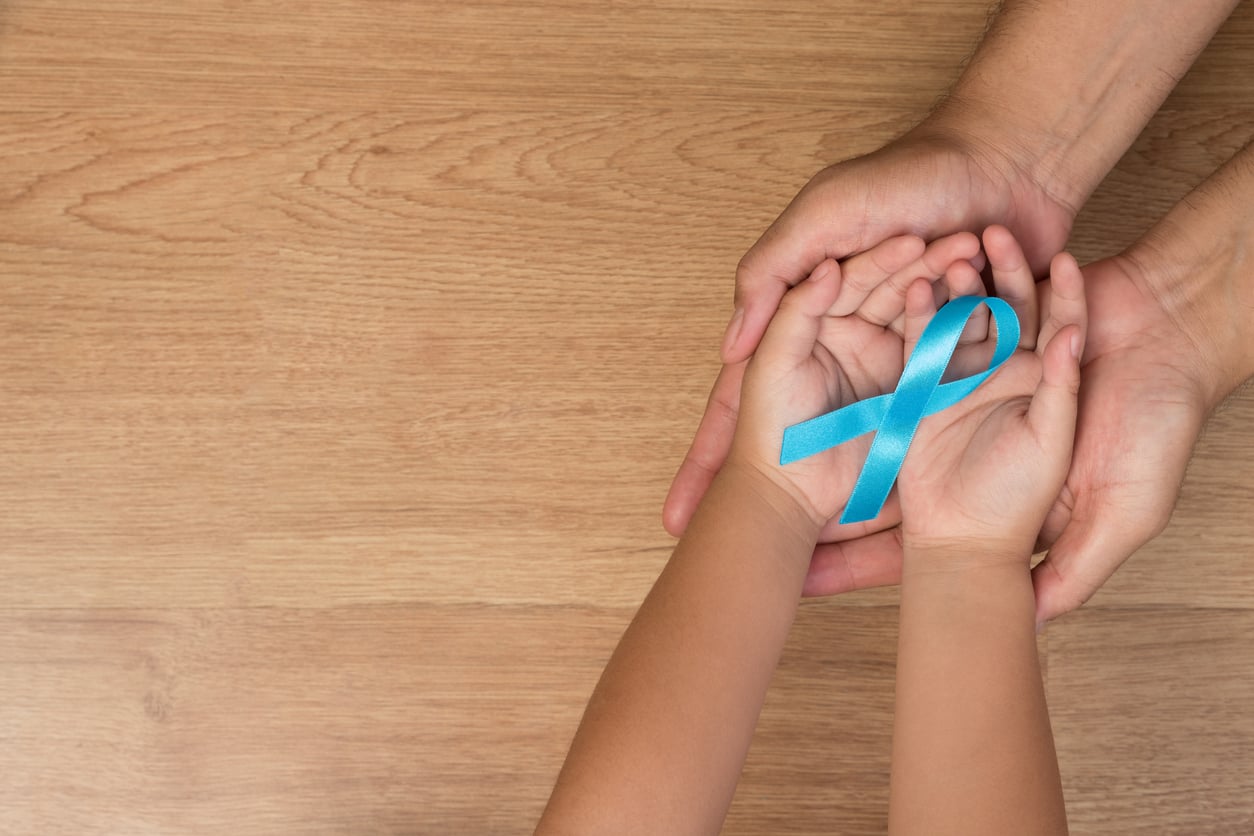
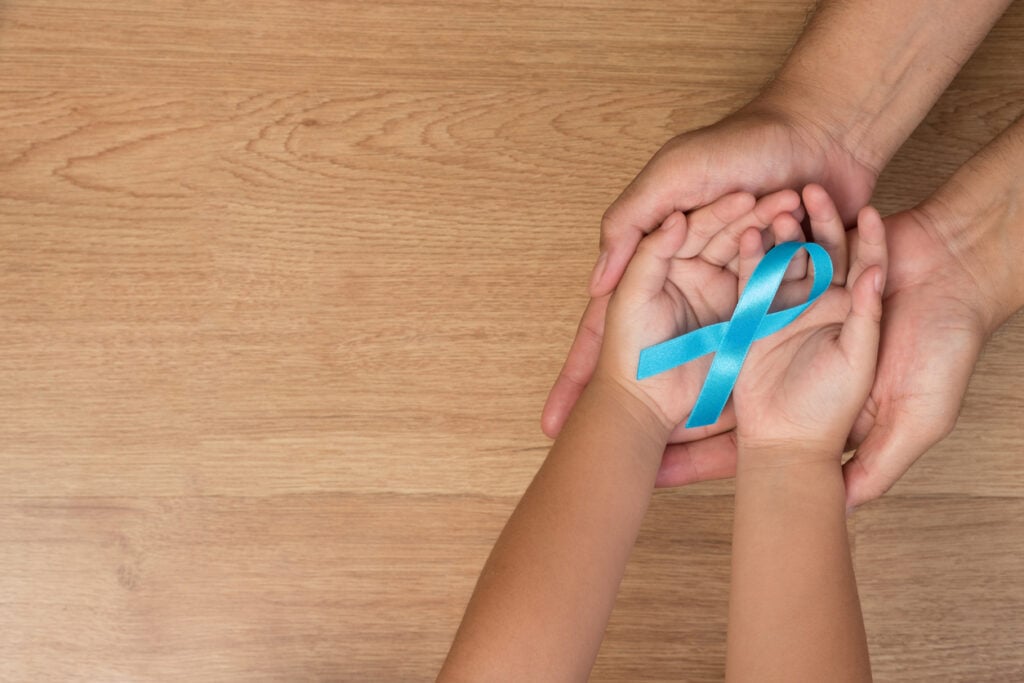
The blue ribbon became associated with child abuse prevention in 1989, when Bonnie W. Finney of Norfolk, Virginia, tied a blue ribbon to the antenna of her van in memory of her grandson Michael “Bubba” Bennett, who had died as a result of abuse. She chose blue to represent the bruises he had suffered. The gesture resonated deeply, and the blue ribbon spread rapidly across communities nationwide, becoming the enduring symbol of the movement.
In 2008, Prevent Child Abuse America introduced the blue-and-silver pinwheel as a complementary symbol, representing the joyful, carefree childhood every child deserves. The Pinwheels for Prevention campaign quickly became a centrepiece of April activities, with thousands of pinwheel gardens planted at state capitols, courthouses, schools, and community spaces across the country each year. The campaign has grown to involve all 50 states and has become one of the most visible public awareness efforts in the child welfare sector.
The Blue Ribbon and Pinwheel: Symbols of Prevention
The blue ribbon and the pinwheel serve distinct but complementary roles. The ribbon is a memorial symbol, honouring children who have been harmed or lost to abuse and reminding communities of the urgency of prevention. The pinwheel, by contrast, is forward-looking. Each spin represents the systems of support — healthcare, housing, economic stability, education, home visiting — that must work together to create conditions where families can flourish. Together, the two symbols capture both the gravity of child maltreatment and the hope that prevention offers.
Communities mark the month with Parental Alienation Awareness Day on 25 April, which also falls within April and highlights another dimension of harm that can affect children during family breakdown.
Noteworthy Facts About National Child Abuse Prevention Month
- Every US president since Ronald Reagan has issued an annual proclamation designating April as National Child Abuse Prevention Month — an unbroken tradition spanning over 40 years.
- The Childhelp National Child Abuse Hotline (1-800-422-4453) operates 24 hours a day, 7 days a week, and offers crisis intervention in over 170 languages.
- In 2024, the National Children’s Alliance provided abuse prevention education to over 2.3 million people across the United States.
- Neglect is the most common form of child maltreatment, accounting for approximately 76 per cent of confirmed cases nationally.
- The pinwheel garden tradition has expanded to all 50 US states, with some installations featuring thousands of individual pinwheels at a single location.
Frequently Asked Questions
What is National Child Abuse Prevention Month?
National Child Abuse Prevention Month is an annual observance held every April in the United States. It raises awareness about child abuse and neglect while promoting community-based prevention programmes that strengthen families and protect children.
When is National Child Abuse Prevention Month in 2026?
National Child Abuse Prevention Month 2026 runs from Wednesday, 1 April to Thursday, 30 April. Wear Blue Day falls on Friday, 10 April 2026.
Who organises National Child Abuse Prevention Month?
The observance is proclaimed annually by the President of the United States. Prevent Child Abuse America leads national campaign coordination, including the Pinwheels for Prevention initiative. Childhelp, the National Children’s Alliance, and hundreds of state and local organisations also run programmes throughout the month.
What is the significance of the blue ribbon?
The blue ribbon originated in 1989 when Bonnie W. Finney of Virginia tied one to her van in memory of her grandson, who died from child abuse. She chose blue to represent the colour of his bruises. The ribbon has since become the national symbol of child abuse prevention awareness.
Spread the Word
Help raise awareness by sharing National Child Abuse Prevention Month with your friends, family, and followers. Use the hashtags #ChildAbusePreventionMonth, #CAPMonth2026, #PinwheelsOfPossibility, and #WearBlueDay on social media. The more people who understand the signs of abuse and the importance of prevention, the safer our children will be.
Related Awareness Days
- Foster Care Fortnight — A UK-based campaign running 12 to 25 May that raises the profile of fostering and highlights the need for more foster carers, directly connected to the child welfare system.
- 16 Days of Action Against Domestic Violence — Running from 25 November to 10 December, this global campaign tackles violence within families, a significant risk factor for child abuse and neglect.
- Childhood Day — Celebrated on 5 June, this day focuses on the rights, wellbeing, and happiness of children, complementing the prevention message of Child Abuse Prevention Month.
Links
- Visit the official Prevent Child Abuse America CAP Month 2026 page
- Visit the Childhelp website
- Visit the National Children’s Alliance website
- Explore more awareness days at AwarenessDays.com
Plan your next campaign
Use Awareness Planner to discover events, build content calendars, and stay ahead of key dates.






2026 Awareness Days Wall Planner
Every key awareness day at a glance. Perfect for offices, staff rooms, and team planning.
View Calendar →