June 14, 2027

| Date | Monday 14 June 2027 |
|---|---|
| When it falls | Every year on 14 June |
| Official website | who.int |
| Where | International |
About World Blood Donor Day
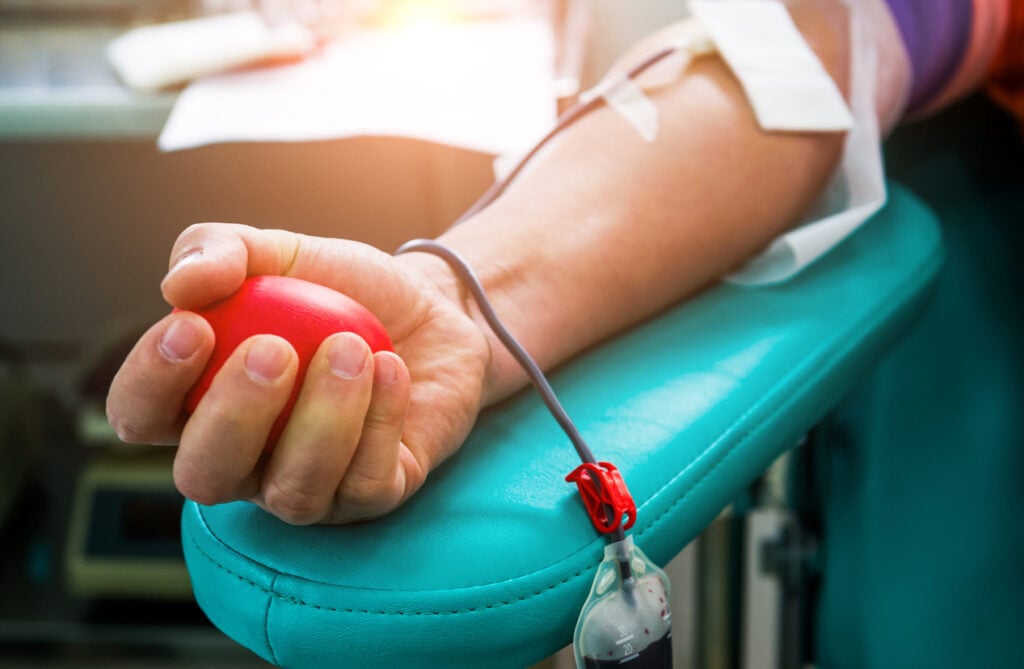
World Blood Donor Day is observed every year on 14 June to thank voluntary, unpaid blood donors and to highlight the urgent need for safe blood and blood products around the world. In 2027 it falls on Monday 14 June. The date marks the birthday of Karl Landsteiner, the Austrian scientist whose discovery of the ABO blood group system made modern transfusions possible.
What is World Blood Donor Day?
World Blood Donor Day is a World Health Organization (WHO) global health campaign held every 14 June. It celebrates voluntary, non-remunerated blood donors, raises awareness of the global need for safe blood, and encourages governments and health systems to invest in national blood services. The day is jointly led by four international organisations: the WHO, the International Federation of Red Cross and Red Crescent Societies, the International Federation of Blood Donor Organizations (IFBDO), and the International Society of Blood Transfusion (ISBT).
When is World Blood Donor Day?
World Blood Donor Day is held annually on 14 June. In 2027 it falls on a Monday. The WHO designates a different host country each year, which leads global activities around a chosen theme. The official hashtag is #WorldBloodDonorDay.
Why World Blood Donor Day Matters
Blood transfusions save millions of lives every year, but supply remains uneven across the world. The WHO reports that 118.5 million blood donations are collected globally each year, yet 40 per cent come from high-income countries that account for only 16 per cent of the world’s population. In low-income countries, women and children bear the heaviest cost: blood is critical for treating postpartum haemorrhage, severe childhood anaemia, sickle cell disease complications, and trauma. Voluntary, unpaid donations from regular donors are the safest source of blood, yet many countries still rely on family replacement or paid donors. The day exists to close that gap.
How to Get Involved in World Blood Donor Day
Anyone over 17 (in most countries) and in good health can usually donate, and there are plenty of ways to support the day even if you cannot give blood:
- Book a blood donation – Find your nearest blood centre and book an appointment around 14 June; many services see a spike in registrations during the campaign.
- Become a regular donor – Most healthy adults can give every 12 to 16 weeks; signing up for regular sessions is the single most useful thing supporters can do.
- Sign up to the stem cell or platelet register – Some donors are eligible to give platelets, plasma, or stem cells in addition to whole blood; ask your local blood service.
- Host a donor drive at work or college – Blood services regularly partner with employers and universities to host pop-up donation sessions.
- Share your donation story – Posting a selfie after donating with #WorldBloodDonorDay encourages friends and followers to consider donating.
- Thank a donor or recipient – Use the day to thank a relative who donates regularly or to share a recipient story that shows the impact of giving.
- Push for policy change – Support campaigns to remove unnecessary barriers to donation, including outdated rules that can exclude men who have sex with men or people from certain countries.
History of World Blood Donor Day
The first World Blood Donor Day was held on 14 June 2004, the result of a joint initiative by the WHO, the IFRC, the IFBDO, and the ISBT. The date was chosen to honour Karl Landsteiner, the Austrian-American scientist born on 14 June 1868, whose discovery of the ABO blood group system in 1901 transformed transfusion medicine and earned him the Nobel Prize in Physiology or Medicine in 1930.
In May 2005, at the 58th World Health Assembly, ministers of health from across the world unanimously agreed to designate 14 June as World Blood Donor Day, giving the campaign formal status as a WHO global health day. Since then, each year a different host country has led global activities and chosen a theme that often reflects a particular challenge, from blood safety in maternity care to encouraging young donors. Past hosts include South Africa, China, Vietnam, Italy, Argentina, and the United Kingdom.
Noteworthy Facts About World Blood Donor Day
- The first World Blood Donor Day was held on 14 June 2004.
- The date marks the birthday of Karl Landsteiner, who discovered the ABO blood group system in 1901.
- Around 118.5 million blood donations are collected globally each year (WHO).
- 40 per cent of donations come from high-income countries that have only 16 per cent of the world’s population.
- Voluntary, unpaid donations from regular donors are recognised by the WHO as the safest source of blood.
Frequently Asked Questions
What is World Blood Donor Day?
A WHO-led global health day on 14 June each year that thanks blood donors and raises awareness of the need for safe blood worldwide.
When is World Blood Donor Day in 2027?
Monday 14 June 2027.
Why is World Blood Donor Day held on 14 June?
It marks the birthday of Karl Landsteiner, the scientist who discovered the ABO blood group system and made modern transfusions possible.
Spread the Word
Help raise awareness by sharing World Blood Donor Day with your friends, family, and followers. Use the hashtag #WorldBloodDonorDay on social media. The more people who give blood, the more lives are saved.
Related Awareness Days
- World Hand Hygiene Day – Another WHO health day, focused on infection prevention in healthcare.
- International Day of the Midwife – Highlights another lifesaving role in maternal care, where blood is often critical.
- World Asthma Day – Part of the broader WHO health awareness calendar.
Links



2026 Awareness Days Wall Planner
Every key awareness day at a glance. Perfect for offices, staff rooms, and team planning.
View Calendar →