

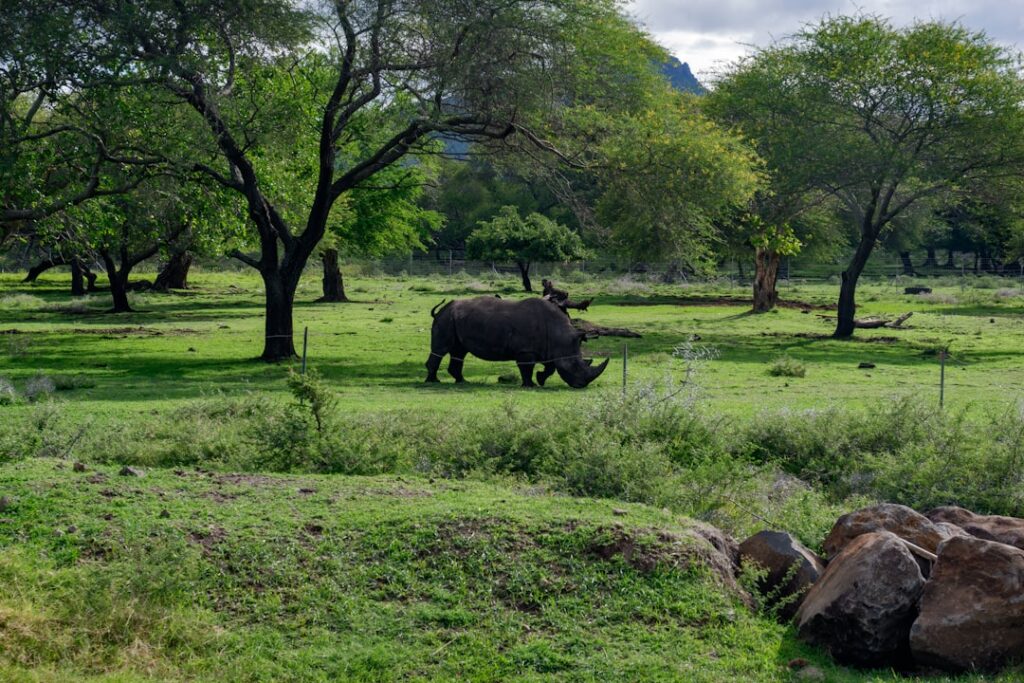
World Wildlife Day 2027
Wednesday 3 March 2027 · every year on 3 March
World Wildlife Day is a United Nations international observance held every year on 3 March.
Also on 3 March: World Hearing Day · Dyscalculia Awareness Day · Caregiver Appreciation Day
What is World Wildlife Day?
World Wildlife Day 2027 is on Wednesday 3 March 2027. It falls on 3 March every year.
| Year | Date |
|---|---|
| 2027 | Wednesday 3 March 2027 |
| 2028 | Friday 3 March 2028 |
| 2029 | Saturday 3 March 2029 |
Deep in the forests of Southeast Asia, harvesters strip bark from agarwood trees whose fragrant resin has been traded for thousands of years. In the Appalachian mountains, wild populations of American ginseng have declined by an estimated 75% over the past century. Across sub-Saharan Africa, frankincense trees are dying faster than they can regenerate. These are not isolated stories — they are symptoms of a global crisis affecting the medicinal and aromatic plants that billions of people depend on for healthcare, livelihoods, and cultural identity. World Wildlife Day 2026 puts this crisis in the spotlight.
World Wildlife Day is a United Nations international observance held every year on 3 March. Proclaimed by the UN General Assembly in December 2013, the day commemorates the signing of the Convention on International Trade in Endangered Species of Wild Fauna and Flora (CITES) on 3 March 1973. Each year, a specific theme focuses attention on a pressing wildlife conservation issue. The 2026 theme is “Medicinal and Aromatic Plants: Conserving Health, Heritage and Livelihoods”, highlighting the vital role these plants play in sustaining human health, cultural heritage, and local economies — and the growing pressures they face from habitat loss, overharvesting, and climate change.
When is World Wildlife Day?
World Wildlife Day falls on Wednesday 3 March 2027. It is a fixed-date event, observed every year on 3 March — the anniversary of the signing of CITES in 1973.
Plan around World Wildlife Day and every key date in March
The Awareness Days Toolkit puts every awareness day for 2026 and 2027 in a spreadsheet, printable PDF calendars and an iCal feed that keeps itself up to date.
Why World Wildlife Day Matters
An estimated 50,000 to 70,000 medicinal and aromatic plant (MAP) species are harvested worldwide. The World Health Organisation reports that 70-95% of populations in developing countries rely on traditional medicine for primary healthcare, much of it derived from wild plants. Yet over 20% of plant species used for medicinal and aromatic purposes are now considered threatened with extinction on the IUCN Red List. One in five people globally depend on wild plants for food and income, making conservation not just an ecological priority but an economic and humanitarian one.
The economic stakes are enormous. Traditional Chinese medicine generated USD 83 billion globally in 2012. Private spending on natural products in the United States reached USD 14.8 billion. Approximately 1,500 MAP species are listed in CITES Appendices, with over 800 in Appendix II, reflecting the scale of international trade — and the risk of overexploitation. Without sustainable harvesting practices and stronger governance, communities that have relied on these plants for generations face the loss of both their healthcare systems and their livelihoods.
How to Get Involved in World Wildlife Day
Whether you work in conservation or simply care about the natural world, there are meaningful ways to participate:
- Learn about medicinal plants in your region — Research which wild plants are native to your area and how they have been used historically. Understanding local biodiversity is the first step toward protecting it.
- Support sustainable sourcing — When buying herbal products, look for certifications like FairWild or organic labels that indicate sustainable harvesting. Your purchasing choices directly influence industry practices.
- Donate to wildlife conservation organisations — Groups like WWF, TRAFFIC, and local conservation trusts work year-round to protect endangered species and habitats. Even small donations contribute to research, anti-poaching efforts, and community programmes.
- Watch the official UN celebration livestream — The 2026 virtual event is streamed on the World Wildlife Day YouTube channel, featuring expert speakers, documentary screenings, and interactive discussions.
- Share the message on social media — Use the hashtags #WorldWildlifeDay and #WWD2026 to amplify awareness. Share facts about threatened species and tag friends who care about conservation.
- Volunteer with a local environmental group — Many community organisations run habitat restoration projects, tree-planting events, and citizen science surveys. Hands-on participation makes a tangible difference. If environmental action inspires you, consider getting involved in Compost Week UK later in March as well.
- Educate young people about wildlife — Use World Wildlife Day as an opportunity to introduce children to nature conservation through school projects, nature walks, or visits to botanical gardens and wildlife reserves.
History of World Wildlife Day
On 20 December 2013, the United Nations General Assembly adopted Resolution 68/205, proclaiming 3 March as World Wildlife Day. The date was chosen to mark the anniversary of the adoption of CITES — the Convention on International Trade in Endangered Species of Wild Fauna and Flora — signed in Washington, D.C. on 3 March 1973. Thailand proposed the resolution, and it was adopted by consensus.
CITES itself was born from growing international alarm in the 1960s about the impact of commercial trade on wild species. By the early 1970s, it was clear that unregulated trade was driving some species toward extinction. The convention now regulates trade in over 38,000 species of plants and animals, making it one of the most wide-reaching conservation agreements in history. The CITES Secretariat, administered by the UN Environment Programme, coordinates the annual World Wildlife Day observance.
Each year’s theme reflects a current priority in conservation. Previous themes have addressed marine life (2019), forests (2021), digital innovation in conservation (2023), and connecting people and planet (2024). The 2026 focus on medicinal and aromatic plants responds to mounting evidence that these critical resources are being harvested faster than they can regenerate, threatening both ecosystems and the communities that depend on them.
Noteworthy Facts About World Wildlife Day
- CITES was signed on 3 March 1973 by 80 countries; today, 184 parties have ratified the convention, covering virtually every nation on Earth.
- An estimated 50,000-70,000 medicinal and aromatic plant species are harvested globally, with approximately 1,500 species listed in CITES Appendices.
- Wild populations of American ginseng have declined by roughly 75% over the past century due to overharvesting and habitat loss.
- The global market for herbal medicine is projected to exceed USD 400 billion by 2028, underscoring the economic importance of sustainable MAP management.
- One in five people worldwide depend on wild plants, algae, and fungi for their food and income.
Hashtags
Links




Frequently asked questions
What is World Wildlife Day?
World Wildlife Day is a United Nations observance held on 3 March each year to celebrate wild animals and plants, raise awareness about conservation, and highlight threats to biodiversity. It commemorates the signing of CITES in 1973.
When is World Wildlife Day in 2026?
World Wildlife Day 2027 falls on Wednesday 3 March.
More awareness days in March
See all → 4 Mar4 MarThursdayArts & CultureUKWorld Book Day 2027
 5–14 MarWeek5 Mar to 14 MarWeekCommunityInternationalBritish Science Week 2027
 7 Mar7 MarSundayCommunityUKMothers Day UK 2027 (Mothering Sunday)
 8 Mar8 MarMondayCommunityInternationalInternational Women’s Day 2027
 9 Mar9 MarTuesdayGlobal & NationalInternationalEid al-Fitr 2027
 14 Mar14 MarSundayHealth & WellbeingUSDaylight Saving Day
 17 Mar17 MarWednesdayCommunityInternationalSt Patricks Day 2027
 28 Mar28 MarSundayReligious & FaithUK, US, Australia and worldwideEaster Sunday 2027