

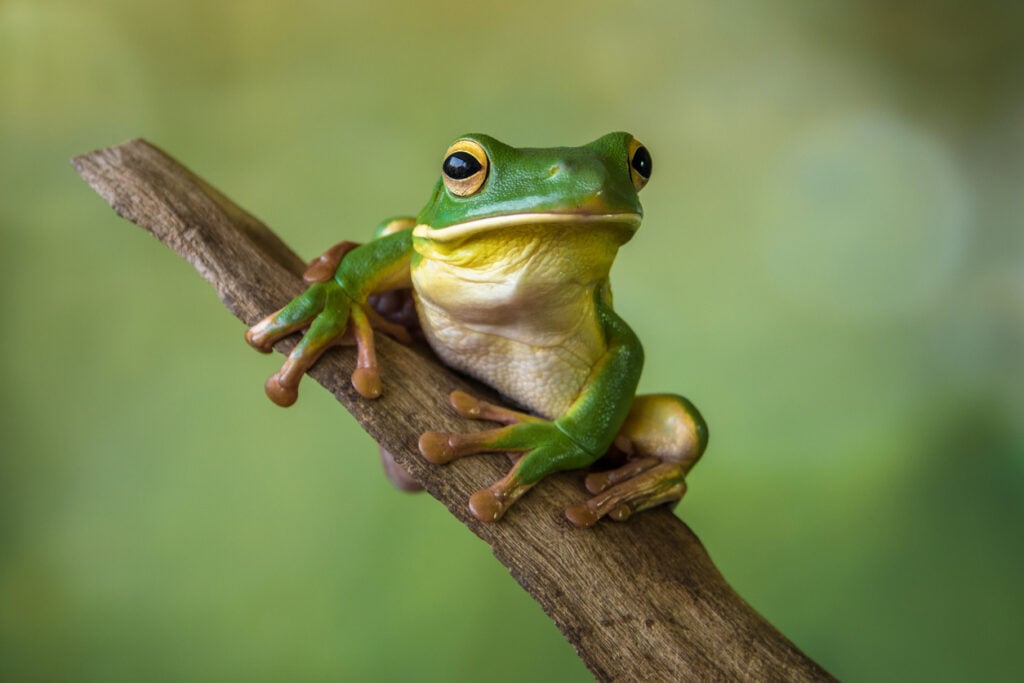
National Frog Month 2027
All of April 2027 · all of April every year
National Frog Month is observed throughout April in the United States, drawing attention to frogs, their ecological importance, and the growing threats they face.
Also on 1 April: Stress Awareness Month · Parkinson’s Awareness Month · National Pet Month
What is National Frog Month?
National Frog Month is observed throughout April in the United States, drawing attention to frogs, their ecological importance, and the growing threats they face. As amphibian populations decline at alarming rates worldwide, this month encourages people to learn about frogs, protect their habitats, and appreciate the critical role these creatures play in ecosystems.
National Frog Month is an annual observance held each April that celebrates frogs and raises awareness about amphibian conservation. Frogs are far more than pond-dwellers; they are vital indicators of environmental health, natural pest controllers, and key links in food chains across the globe. The month encourages schools, nature centres, wildlife organisations, and individuals to learn about frog species, understand the challenges they face, and take action to protect their habitats.
When is National Frog Month?
National Frog Month runs throughout April each year. In 2027, it begins on Thursday 1 April and ends on Friday 30 April. April is an ideal time for this observance because it coincides with spring in the Northern Hemisphere, when frogs emerge from hibernation and become active in ponds, wetlands, and gardens.
Plan around National Frog Month and every key date in April
The Awareness Days Toolkit puts every awareness day for 2026 and 2027 in a spreadsheet, printable PDF calendars and an iCal feed that keeps itself up to date.
Why National Frog Month Matters
Frogs are in serious trouble. According to the International Union for Conservation of Nature (IUCN), amphibians are the most threatened vertebrate class on Earth, with approximately 40.7% of species classified as globally threatened. An estimated 686 frog species are critically endangered, and nearly 168 amphibian species are believed to have already gone extinct. The average decline in amphibian populations stands at 3.79% per year, and if this rate continues unchecked, some species will disappear from half of their habitats within 20 years.
The primary drivers of this decline include habitat destruction (affecting 77% of studied species), disease, particularly the devastating chytrid fungus, climate change, pollution, and invasive species. Frogs are considered bioindicator species, meaning their health reflects the overall health of the environment. When frog populations decline, it signals broader ecological problems that ultimately affect all living things, including humans. A single frog can consume hundreds of insects in one night, making them invaluable natural pest controllers for agriculture and gardens alike.
How to Get Involved in National Frog Month
There are many ways to support frogs and amphibian conservation during April and beyond:
- Create a frog-friendly garden – Add a small pond or water feature to your garden, even a shallow dish of water can provide habitat. Avoid using pesticides and herbicides, which are toxic to amphibians.
- Participate in a frog survey – Many conservation organisations run citizen science programmes where volunteers listen for frog calls and record sightings. These surveys provide vital data on population trends.
- Support amphibian conservation charities – Organisations like Save the Frogs, Amphibian and Reptile Conservation, and the Amphibian Survival Alliance work to protect frog habitats and fund research into disease prevention.
- Visit a local nature reserve or wetland – Spring is the perfect time to observe frogs in their natural habitat. Many reserves offer guided walks focusing on amphibian life during April.
- Educate children about frogs – Use National Frog Month as an opportunity to teach young people about amphibians. Activities like raising tadpoles in a classroom (and releasing them responsibly) can create lifelong advocates for wildlife.
- Reduce your environmental footprint – Simple actions like reducing water pollution, conserving wetlands, and choosing sustainably sourced products help protect the habitats frogs depend on. If you enjoy International Mother Earth Day on 22 April, frog conservation fits naturally into that broader environmental mission.
- Share frog facts on social media – Post interesting frog facts, photos, or videos to raise awareness. Many people do not realise how threatened these animals are, and a single post can spark curiosity and concern.
History of National Frog Month
The origins of National Frog Month are not formally documented, but the earliest known reference appeared in 2010 on the Smithsonian Libraries blog, which described April as National Frog Month. The observance likely grew organically from the broader amphibian conservation movement, which gained momentum in the late 1990s and early 2000s as scientists began documenting alarming declines in frog populations worldwide.
The chytrid fungus (Batrachochytrium dendrobatidis), identified in 1998, was found to be devastating frog populations across multiple continents, and this discovery galvanised conservation efforts. Organisations such as Save the Frogs, founded by Dr Kerry Kriger in 2008, helped bring public attention to the crisis. Save the Frogs Day, held annually on the last Saturday of April, complements National Frog Month by providing a specific day of action and awareness.
The ancestors of modern frogs have existed for approximately 240 million years, surviving alongside the dinosaurs and multiple mass extinction events. The fact that these ancient survivors are now facing unprecedented threats underscores the severity of the current environmental crisis.
Noteworthy Facts About National Frog Month
- There are over 7,000 known frog species worldwide, found on every continent except Antarctica.
- The golden poison dart frog (Phyllobates terribilis) of Colombia is considered one of the most toxic animals on Earth; a single frog carries enough poison to kill 10 adult humans.
- Frogs absorb water through their skin rather than drinking it, making them extremely sensitive to pollutants in their environment.
- The smallest known frog, Paedophryne amauensis, was discovered in Papua New Guinea in 2009 and measures just 7.7 millimetres, making it also the world’s smallest vertebrate.
- Some frog species can survive being frozen solid during winter, thawing out in spring and resuming normal activity as if nothing happened.
Hashtags
Links






Frequently asked questions
What is National Frog Month?
National Frog Month is an annual April observance that raises awareness about frogs, their ecological importance, and the conservation challenges they face.
When is National Frog Month in 2027?
National Frog Month runs from Thursday 1 April to Friday 30 April 2027.
Why are frogs important to the environment?
Frogs are bioindicator species, meaning their health reflects the overall condition of the environment. They control insect populations, serve as food for larger predators, and contribute to nutrient cycling in ecosystems. A single frog can eat hundreds of insects in one night.
More awareness days in April
See all → 1 Apr1 AprThursdayFun & QuirkyUK, US, Australia and worldwideApril Fools’ Day 2027
 1–30 AprMonth1 Apr to 30 AprMonthAnimals & WildlifeInternationalNational Pet Month 2027
 1–30 AprMonth1 Apr to 30 AprMonthHealth & WellbeingInternationalStress Awareness Month 2027
 10 Apr10 AprSaturdayCommunityInternationalNational Siblings Day 2027
 22 Apr22 AprThursdayEducation & YouthUK, US, Australia and worldwideInternational Mother Earth Day 2027
 23 Apr23 AprFridayArts & CultureInternationalWorld Book Night 2027
 25 Apr25 AprSundayCommunityInternationalThe London Marathon 2027
 1–30 AprMonth1 Apr to 30 AprMonthFood & NutritionInternationalNational Brunch Month 2027