Indigenous Peoples Day
October 12
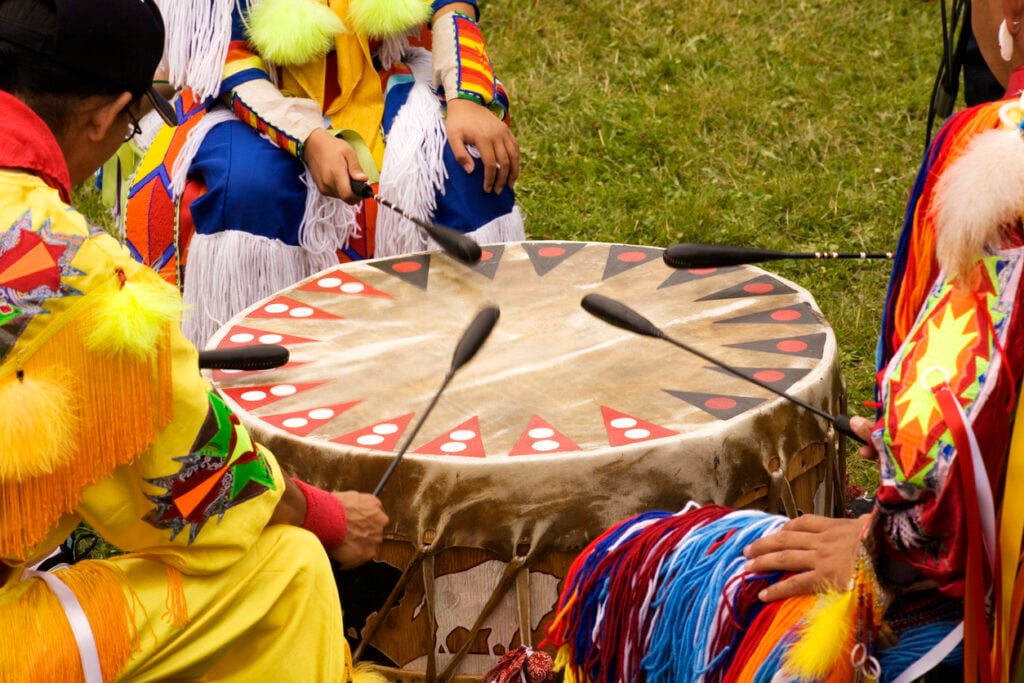
About Indigenous Peoples Day
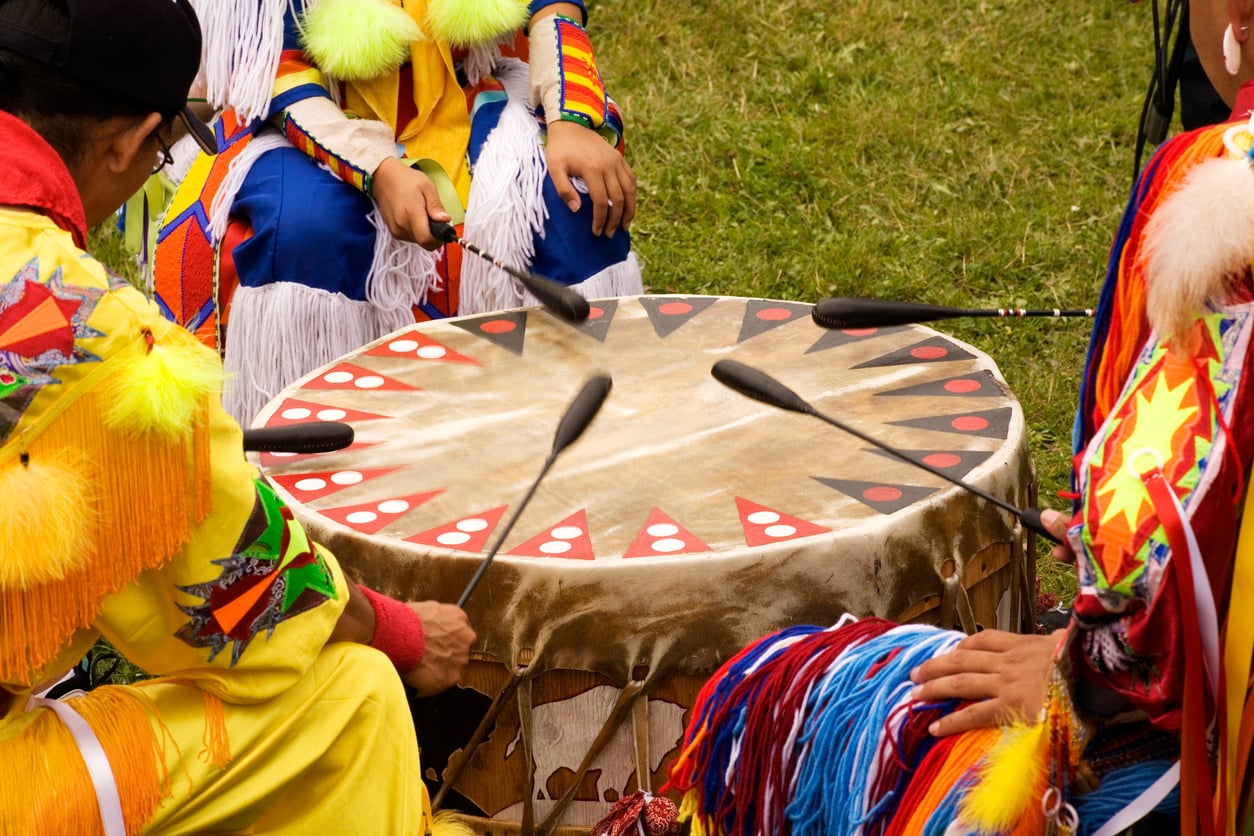
Indigenous Peoples Day is observed on the second Monday of October each year, falling on 12 October in 2026. The day honours the histories, cultures, and contributions of Indigenous peoples across the Americas. It was established as a counter-observance to Columbus Day and has been officially recognised by a growing number of U.S. states, cities, and institutions since the early 1990s.
What is Indigenous Peoples Day?
Indigenous Peoples Day is a public observance that recognises and celebrates the Indigenous peoples who have lived on the lands of the Americas for thousands of years before European contact. The day serves as an alternative to Columbus Day, shifting the narrative from European exploration to the rich and diverse histories of Native American, Alaska Native, and Indigenous communities. In 2021, President Joe Biden became the first sitting U.S. president to issue a formal proclamation recognising Indigenous Peoples Day alongside Columbus Day, marking a significant moment in the movement for Indigenous recognition. The day is observed through cultural events, educational programmes, and community gatherings that centre Indigenous voices and perspectives.
When is Indigenous Peoples Day?
Indigenous Peoples Day is observed on the second Monday of October. In 2026, it falls on Monday, 12 October. Because the date shifts each year, here are the upcoming dates:
| Year | Date |
|---|---|
| 2026 | Monday, 12 October |
| 2027 | Monday, 11 October |
| 2028 | Monday, 9 October |
| 2029 | Monday, 8 October |
| 2030 | Monday, 14 October |
The Story Behind Indigenous Peoples Day
The movement to replace Columbus Day with a celebration of Indigenous peoples began in earnest in 1977, when a delegation of Native nations proposed the idea at a United Nations conference in Geneva. The concept gained further traction in 1990 when South Dakota became the first U.S. state to rename Columbus Day as Native American Day. In 1992 — the 500th anniversary of Columbus’s arrival in the Americas — Berkeley, California, became the first city to officially adopt Indigenous Peoples Day, responding to a resolution led by the International Indian Treaty Council.
Over the following decades, the movement expanded steadily. Cities including Seattle, Minneapolis, Denver, Los Angeles, and Phoenix all adopted Indigenous Peoples Day through local ordinances. At the state level, Vermont, Maine, New Mexico, Alaska, Oregon, and others followed suit, either replacing Columbus Day entirely or recognising Indigenous Peoples Day alongside it.
The most significant milestone came in October 2021 when President Biden issued the first-ever presidential proclamation for Indigenous Peoples Day. The proclamation stated that the day “honours the sovereignty, resilience, and immense contributions that Native peoples have made to this Nation” and acknowledged the painful history of colonisation, forced removal, and cultural suppression that Indigenous communities endured.
Today, Indigenous Peoples Day is observed by over 200 cities, several dozen states, and numerous educational institutions across the country. It has become a platform not only for celebration but also for education about Indigenous history, land rights, and contemporary issues facing Native communities.
Why Indigenous Peoples Day Matters
Indigenous peoples have shaped the cultural, ecological, and political landscape of the Americas for millennia. According to the U.S. Census Bureau, there are approximately 9.7 million people in the United States who identify as American Indian or Alaska Native, either alone or in combination with another race. Indigenous communities maintain over 574 federally recognised tribal nations, each with distinct languages, traditions, and governance systems. Indigenous Peoples Day provides a space to acknowledge this diversity, address ongoing inequities in healthcare, education, and economic opportunity, and celebrate the enduring strength of Indigenous cultures. The day also encourages non-Indigenous people to learn about the true history of the land they inhabit, including the legacy of treaties, forced relocations, and the boarding school system.
How to Get Involved in Indigenous Peoples Day
There are many respectful and meaningful ways to observe Indigenous Peoples Day:
- Learn whose land you live on — Use resources like Native-Land.ca to discover which Indigenous nations historically occupied the area where you live, work, or study.
- Attend a local event — Many cities host powwows, cultural festivals, film screenings, and educational talks around this date. Check community calendars for events near you.
- Read Indigenous authors — Support Indigenous voices by reading works by authors such as Tommy Orange, Robin Wall Kimmerer, Joy Harjo, and Louise Erdrich.
- Support Indigenous-owned businesses — Seek out and purchase from Indigenous-owned shops, artists, and food producers. Directories like Beyond Buckskin and Native-Owned.com can help.
- Donate to Indigenous organisations — Groups such as the National Congress of American Indians, First Nations Development Institute, and Native American Rights Fund work on education, economic development, and legal advocacy.
- Educate yourself and others — Share accurate information about Indigenous history and contemporary issues. Documentaries, podcasts, and museum exhibitions offer accessible entry points.
- Advocate for curriculum change — Support efforts to include accurate and comprehensive Indigenous history in school curricula at local and state levels.
Noteworthy Facts About Indigenous Peoples Day
- South Dakota became the first U.S. state to rename Columbus Day as Native American Day in 1990.
- Berkeley, California, was the first city to officially adopt Indigenous Peoples Day in 1992.
- President Biden issued the first presidential proclamation for Indigenous Peoples Day in October 2021.
- There are 574 federally recognised tribal nations in the United States, each with its own governance and cultural traditions.
- Approximately 9.7 million people in the U.S. identify as American Indian or Alaska Native, according to the 2020 Census.
Frequently Asked Questions
What is Indigenous Peoples Day?
Indigenous Peoples Day is an annual observance on the second Monday of October that honours the histories, cultures, and contributions of Indigenous peoples across the Americas, serving as a counter-observance to Columbus Day.
When is Indigenous Peoples Day in 2026?
Indigenous Peoples Day falls on Monday, 12 October 2026.
Is Indigenous Peoples Day a federal holiday?
Indigenous Peoples Day is not a standalone federal holiday, but since 2021, U.S. presidents have issued annual proclamations recognising it alongside the federal holiday of Columbus Day. Many states and cities observe it officially.
Spread the Word
Help raise awareness by sharing Indigenous Peoples Day with your friends, family, and followers. Use the hashtags #IndigenousPeoplesDay and #IndigenousPeoplesDay2026 on social media. Amplifying Indigenous voices and stories is one of the most meaningful actions you can take.
Related Awareness Days
- Unthanksgiving Day / National Day of Mourning — Observed on the fourth Thursday of November, honouring Indigenous peoples and reflecting on the impact of colonisation.
- World Day for Cultural Diversity — Celebrated on 21 May, promoting respect for cultural diversity and intercultural dialogue.
- Martin Luther King Day — Observed in January, honouring the civil rights leader and the ongoing struggle for equality and justice.
Links
- Learn more about Indigenous Peoples Day at the Old Farmer’s Almanac
- Explore more awareness days at AwarenessDays.com
Plan your next campaign
Use Awareness Planner to discover events, build content calendars, and stay ahead of key dates.


2026 Awareness Days Wall Planner
Every key awareness day at a glance. Perfect for offices, staff rooms, and team planning.
View Calendar →