
International Chernobyl Disaster Remembrance Day 2027
Monday 26 April 2027
Dates can vary from year to year, so check the organiser’s website for the latest details.
Observed on 26 April, International Chernobyl Disaster Remembrance Day remembers the people affected by the 1986 nuclear accident and considers the continuing work of recovery, safety and responsible communication.
Add this date to my calendarA full year of awareness dates, ready to edit, print or sync.
Get the full 2027 awareness days calendar£49.99 a year. Renews annually.
On this page
Dates and event details
International Chernobyl Disaster Remembrance Day 2027 takes place on 26 April 2027. Observed on 26 April, International Chernobyl Disaster Remembrance Day remembers the people affected by the 1986 nuclear accident and considers the continuing work of recovery, safety and responsible communication.
| Date status | Date calculated from a fixed annual pattern |
|---|---|
| Date-check source | United Nations or designated agency |
| Where | International |
What is International Chernobyl Disaster Remembrance Day?
The UN General Assembly designated 26 April as this remembrance day in 2016. The official background describes the disaster’s enduring effects on communities and the international cooperation involved in recovery. The observance is about people and long-term consequences, rather than treating the accident solely as a dramatic historical spectacle.
Both Chernobyl and Chornobyl appear in UN material. This page retains the official English observance title while recognising that different transliterations are used. Sources from different years should be read in context, especially where they discuss changing recovery work or assessments.
Date and common questions
The UN remembrance day is annually on 26 April, the date of the 1986 accident. The 2027 occurrence is calculated from that fixed rule. Current nuclear-safety developments and any specific commemorative programme need separate, up-to-date sources.
Is Chernobyl the same place as Chornobyl?
The spellings are different transliterations used in official material. The UN acknowledges both. When quoting or citing a source, preserve its wording and make the context clear.
Should an awareness page give emergency or medical instructions?
No. This listing provides remembrance and educational ideas. Current protective or clinical guidance should come from the responsible authorities and qualified professionals for the situation concerned, not from a historical anniversary activity.
Why it matters
The day can connect history, science and the way institutions communicate uncertainty. It also asks audiences to remember those displaced or otherwise affected. A respectful educational activity separates established facts from estimates and avoids using an individual’s experience as a substitute for all the evidence.
Practical ways to take part
- Build a sourced timeline. Identify the accident, the communication that followed and later international recovery work. Date each entry and record its source. Keep historical events separate from current developments so a timeline does not imply that conditions have remained unchanged.
- Compare types of evidence. Read an official historical account alongside a personal testimony chosen for the audience. Discuss what each source can explain and what it cannot establish alone. Avoid sensational imagery or requiring participants to share traumatic family experiences.
- Discuss clear public communication. Use a fictional emergency-information example to ask what people need to know, who should provide it and how uncertainty should be explained. Focus on clarity and trusted routes rather than improvising technical advice about a real incident.
- Explore recovery beyond buildings. Consider the services, livelihoods, relationships and local knowledge a community needs after displacement. A class could map these needs and discuss why rebuilding a physical structure does not by itself complete a recovery process.
- Choose responsible remembrance. Create a quiet display, reading or discussion that explains the purpose of the day. Credit sources, check image context and avoid presenting disaster tourism or a themed stunt as the main response to human loss.
Plan a useful activity
Produce a short educational guide with a clearly defined audience. Include a concise timeline, an explanation of the remembrance day and links to authoritative background. Ask a knowledgeable teacher or relevant specialist to check technical statements before sharing it. Remove unsourced casualty totals or claims about individual medical effects. Finish by explaining which questions require specialist evidence rather than offering a confident answer from a single secondary article.
Official information
Use the official International Chernobyl Disaster Remembrance Day information for background and organiser resources. The annual date does not confirm a particular local event, booking arrangement or future campaign theme. Check those details with the relevant organiser.
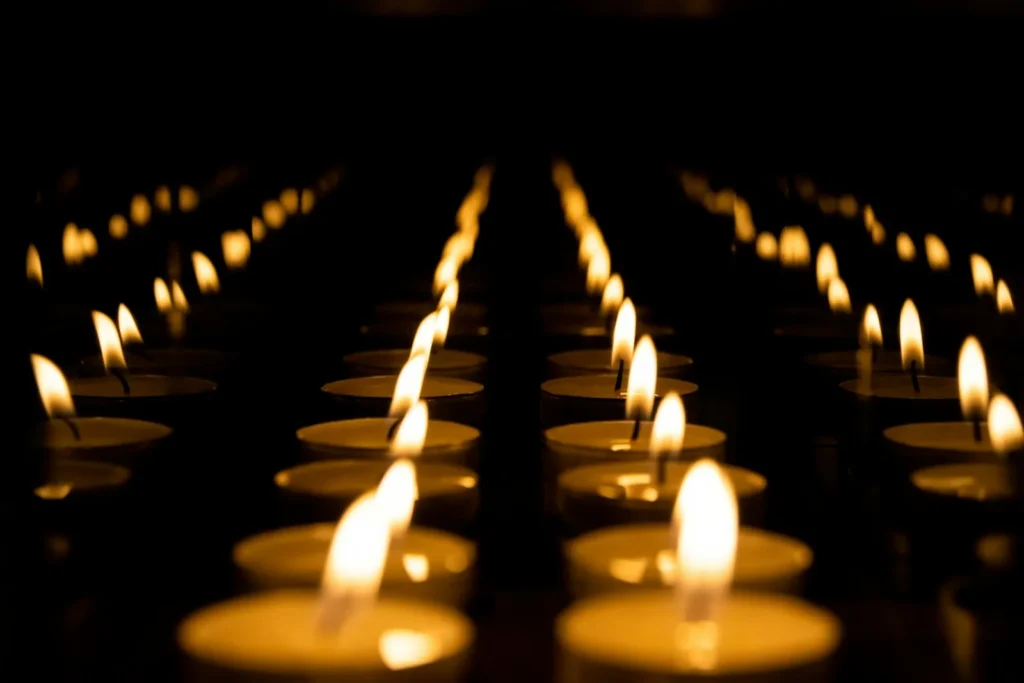
Featured image: Photo: Thomas Bormans / Unsplash
Frequently asked questions
When is International Chernobyl Disaster Remembrance Day 2027?
What is International Chernobyl Disaster Remembrance Day 2027?
More awareness days in April
See all → 1–30 AprMonth1 Apr to 30 AprMonthHealth & WellbeingInternationalStress Awareness Month 2027
 1 Apr1 AprThursdayFun & QuirkyUK, US, Australia and worldwideApril Fools’ Day 2027
 1–30 AprMonth1 Apr to 30 AprMonthAnimals & WildlifeInternationalNational Pet Month 2027
 10 Apr10 AprSaturdayCommunityInternationalNational Siblings Day 2027