
International Wellness Day 2027
Thursday 15 April 2027
Dates can vary from year to year, so check the organiser’s website for the latest details.
International Wellness Day is the United Nations observance on 15 April promoting accessible, inclusive approaches to wellbeing. It is distinct from similarly named wellness campaigns held on other dates.
Add this date to my calendarA full year of awareness dates, ready to edit, print or sync.
Get the full 2027 health calendar£49.99 a year. Renews annually.
On this page
Dates and event details
International Wellness Day 2027 takes place on 15 April 2027. International Wellness Day is the United Nations observance on 15 April promoting accessible, inclusive approaches to wellbeing. It is distinct from similarly named wellness campaigns held on other dates.
| Date status | Date calculated from a fixed annual pattern |
|---|---|
| Date-check source | United Nations or designated agency |
| Where | International |
What is International Wellness Day?
The UN General Assembly proclaimed 15 April as International Wellness Day. Its official background describes education, cultural exchange and knowledge-sharing as ways to support personal and collective wellbeing. The emphasis includes affordability and access, rather than treating wellness as a luxury purchase.
A useful local activity can examine the conditions that help people feel supported: time for a break, accessible shared spaces, social connection and clear information about available services. The observance is not an endorsement of every product or treatment marketed under the word wellness.
Date and common questions
The UN observance is annually on 15 April. Its 2027 date is calculated from the fixed annual rule. No specific 2027 theme or programme has been assumed. International Wellness Day should not be confused with Global Wellness Day or a commercial wellness event.
Is International Wellness Day the same as Global Wellness Day?
No. This page covers the United Nations observance on 15 April. Similarly named initiatives can have different organisers, dates and participation arrangements; check the identity before copying an event into a calendar.
Does participation involve buying a treatment?
No. A local activity can focus on access, listening and practical support. The UN designation does not establish the effectiveness of a commercial product or replace individual professional healthcare advice.
Why it matters
People’s circumstances differ, so a single activity will not suit everyone. Schools, workplaces and community groups can begin by asking what makes daily life easier or harder in their setting. Practical changes to access and routines can be more meaningful than a programme built around appearances or compulsory participation.
Practical ways to take part
- Listen before planning. Invite optional suggestions about the conditions that support wellbeing in your setting. Ask about practical barriers rather than requesting private medical information. Explain how feedback will be used and which changes the group can realistically consider.
- Create a welcoming break. Offer a voluntary opportunity for conversation, gentle movement or quiet time. Describe the activity clearly and provide different ways to join. Avoid assuming that relaxation looks the same for every person or requires particular clothing or equipment.
- Review a shared space. Look at seating, noise, lighting, drinking-water access and the information people need to use a room. Involve those who use the space regularly. Agree a small improvement and check whether it helps rather than relying on a decorative makeover.
- Share trustworthy information. Make existing support routes easy to find and distinguish general wellbeing information from medical advice. Use established public-health or service sources. Do not use an awareness event to make unsupported claims about supplements, devices or therapeutic outcomes.
- Explore everyday wellbeing respectfully. A class or community group could compare ways people create supportive routines, including creative activities and social connections. Let participants choose what to share. Avoid judging other people’s bodies, diets, beliefs or ability to take part.
Plan a useful activity
Choose an improvement within the organiser’s control, such as making a quiet room easier to access or clarifying how staff can take agreed breaks. Set out who will act, what resources are available and when users will be asked for feedback. Keep the change separate from promises to diagnose, treat or cure a condition. If the discussion identifies a need for specialist help, signpost an appropriate existing service rather than asking volunteers to fill that role.
Official information
Use the official International Wellness Day information for background and organiser resources. The annual date does not confirm a particular local event, booking arrangement or future campaign theme. Check those details with the relevant organiser.
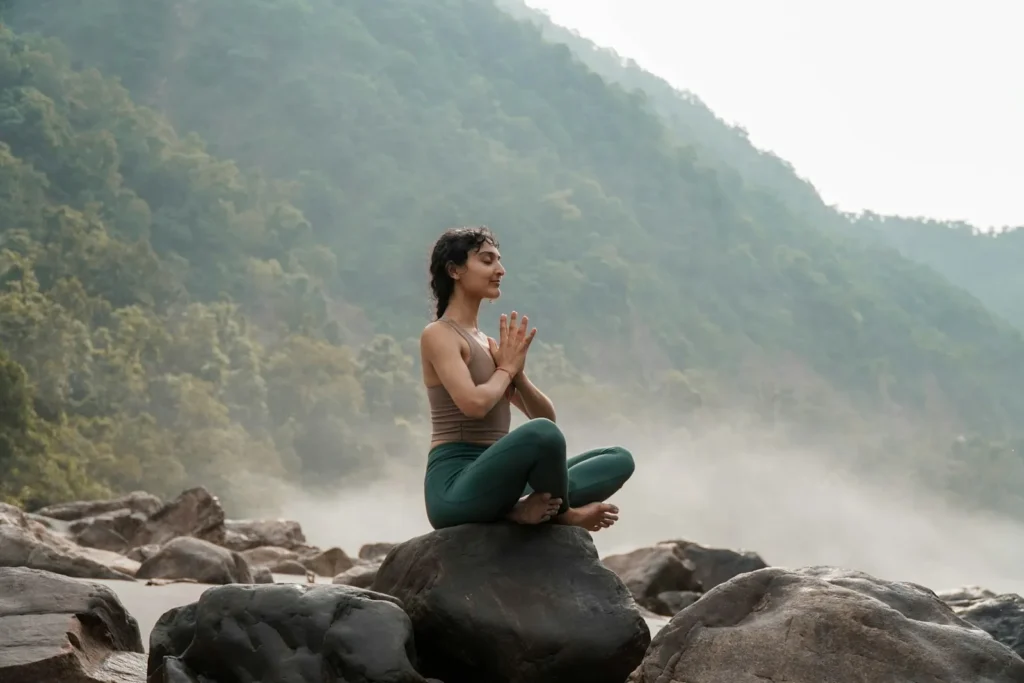
Featured image: Photo: Sumit Bisht / Unsplash
Frequently asked questions
When is International Wellness Day 2027?
What is International Wellness Day 2027?
More awareness days in April
See all → 22 Apr22 AprThursdayEducation & YouthUK, US, Australia and worldwideInternational Mother Earth Day 2027
 23 Apr23 AprFridayArts & CultureInternationalWorld Book Night 2027
 25 Apr25 AprSundayCommunityInternationalThe London Marathon 2027
 1 Apr1 AprThursdayFun & QuirkyUK, US, Australia and worldwideApril Fools’ Day 2027