September 2, 2027
| Date | Thursday 2 September 2027 |
|---|---|
| When it falls | Every year on 2 September |
| Where | International |
About Ceuta – Ceuta Day
Ceuta – Ceuta Day 2026 was on Wednesday 2 September 2026. The next Ceuta – Ceuta Day is on Thursday 2 September 2027.
Ceuta Day is an official public holiday observed on 2 September each year in Ceuta, one of Spain’s two autonomous cities on the northern coast of Africa. The date commemorates the Portuguese conquest of Ceuta in 1415, an event that set in motion the sequence of historical events that eventually made the territory part of Spain. The holiday is specific to Ceuta and is not observed in the rest of Spain.
What is Ceuta Day?
Ceuta Day, known in Spanish as Dia de Ceuta, is the official regional holiday of the Autonomous City of Ceuta. It marks the anniversary of the Portuguese capture of the city in August 1415 and the subsequent formal handover of control on 2 September of that year, when King John I of Portugal departed and left the newly appointed governor, Pedro de Menezes, Count of Viana, in charge of the territory. Ceuta Day is both a celebration of the city’s distinct identity and a reflection on the complex history that has shaped it over six centuries.
When is Ceuta Day?
Ceuta Day falls on 2 September each year. As an official public holiday for the Autonomous City of Ceuta, it is a non-working day within the territory. Shops, schools, and government offices are closed, and the day is marked with official ceremonies, cultural events, and family gatherings.
Where is Ceuta?
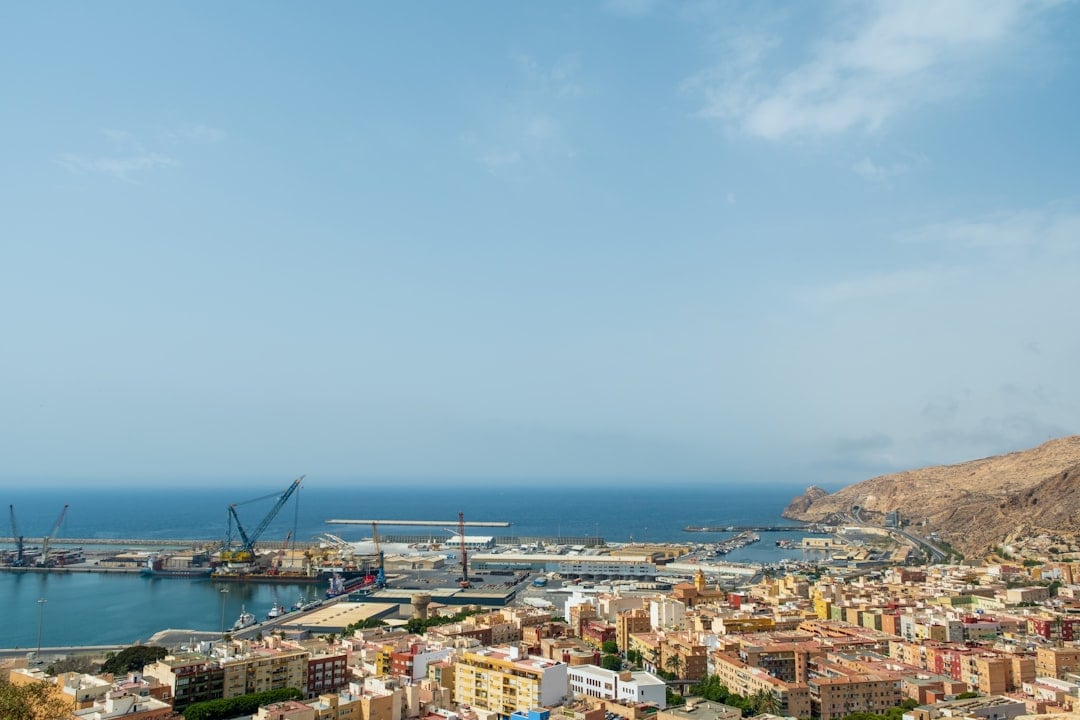
Ceuta is a small city of approximately 84,000 people situated on the northern tip of Africa, on a narrow peninsula that juts into the Strait of Gibraltar. It is surrounded on its land borders by Morocco and faces the Spanish coast across the strait. Despite its location on the African continent, Ceuta is legally and politically part of Spain, with full membership of the European Union. It is one of only two Spanish territories on the African mainland, the other being Melilla, situated further east along the Moroccan coast.
The city’s position at the meeting point of the Atlantic Ocean and the Mediterranean Sea made it strategically important throughout ancient and medieval history. It has been inhabited and controlled by Phoenicians, Romans, Vandals, Byzantines, Moors, and Portuguese before coming under Spanish sovereignty.
Why is Ceuta Day on 2 September?
The date connects directly to the events of 1415. On 14 August 1415, a Portuguese fleet led by King John I landed at Ceuta, then a prosperous Muslim city under Marinid control, and captured it after a brief siege. The conquest was one of the opening moves of Portuguese overseas expansion, a precursor to the Age of Discovery that would see Portugal establish a global maritime empire.
King John I remained in the city for a few weeks before departing on 2 September, handing formal control to the Count of Viana. The date of 2 September thus marks the formal establishment of European administration over the city, a moment that Ceuta’s residents have chosen to commemorate as the city’s founding day in its modern form.
Spain gained sovereignty over Ceuta in 1580, when the crowns of Spain and Portugal were united under Philip II, and formal Spanish control was confirmed by the Treaty of Lisbon in 1668. However, the city chose to root its day of commemoration in the original 1415 event that started the chain, as it was that conquest which brought the city into the Iberian world.
Why Ceuta Day Matters
Ceuta Day is a celebration of a layered and complex identity. The city is a place where Africa and Europe meet, where Spanish and Arabic are both widely spoken, and where Christian, Muslim, Jewish, and Hindu communities have coexisted for centuries. The holiday offers a moment to reflect on that unique character and to consider what it means for a city to straddle two continents and multiple cultural traditions.
The day also highlights some of the contemporary tensions around Ceuta’s status. Morocco does not recognise Spanish sovereignty over Ceuta and Melilla and considers them occupied territory. Demonstrations and debates about the city’s political future regularly accompany the holiday, with some residents calling for independence from Spain and others reaffirming their attachment to Spanish and European identity.
How is Ceuta Day Celebrated?
- Official ceremonies – The government of the Autonomous City of Ceuta holds formal events, including the raising of the city’s flag and official speeches from local leaders.
- Cultural events – Music, dance, and other cultural performances take place throughout the city.
- Family gatherings – Many residents use the public holiday for picnics, family meals, and visits to friends.
- Flag displays – The flag of Ceuta is displayed prominently on buildings and homes across the city.
- Political demonstrations – Both pro-Spain and pro-Morocco demonstrations have taken place around the holiday in recent years, reflecting the city’s contested status.
Noteworthy Facts About Ceuta
- Ceuta covers an area of approximately 18.5 square kilometres, making it one of the smallest territories in Europe by land area.
- The city was known in antiquity as one of the Pillars of Hercules, the mythological markers at the edge of the known world where the Atlantic meets the Mediterranean.
- Ceuta became an Autonomous City of Spain in 1995, granting it a degree of self-governance similar to that of Spain’s autonomous communities.
- The territory is a member of the European Union, and EU citizens have the right of free movement there, though its border with Morocco is one of the most heavily fortified frontiers in Europe.
- Ceuta’s economy relies heavily on trade, with a free port status that has historically made it a centre of commerce between Europe and Africa.
Hashtags for Ceuta Day
- #CeutaDay
- #DiaDeCeuta
- #Ceuta
- #CeutaEspana
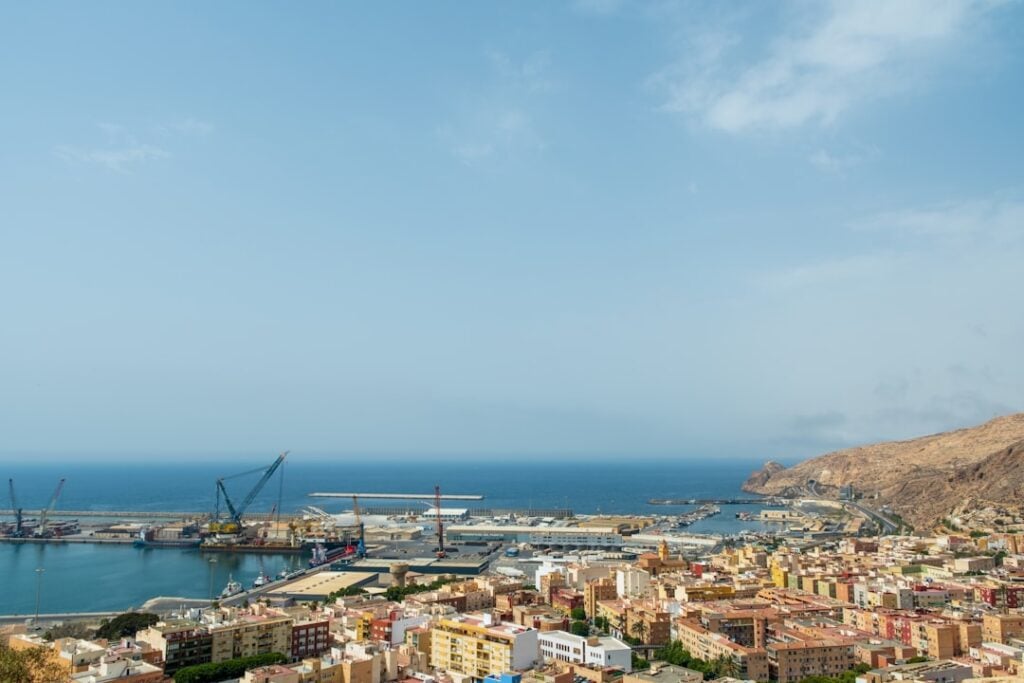
Featured image: Photo by Baptiste Riethmann on Unsplash.
When is Ceuta – Ceuta Day?
| Year | Date |
|---|---|
| 2026 | Wednesday 2 September |
| 2027 | Thursday 2 September |
| 2028 | Saturday 2 September |






2026 Awareness Days Wall Planner
Every key awareness day at a glance. Perfect for offices, staff rooms, and team planning.
View Calendar →