
Jamaica Independence Day 2027
Friday 6 August 2027
Jamaica Independence Day is celebrated annually on 6 August, marking the date in 1962 when Jamaica became a sovereign nation after more than three centuries of British colonial rule.
Add this date to my calendarA full year of awareness dates, ready to edit, print or sync.
Get the full 2027 awareness days calendar£49.99 a year. Renews annually.
On this page
Dates and event details
Jamaica Independence Day 2026 was on Thursday 6 August 2026. The next Jamaica Independence Day is on Friday 6 August 2027.
| Where | Jamaica |
|---|
About Jamaica Independence Day
Jamaica Independence Day is celebrated annually on 6 August, marking the date in 1962 when Jamaica became a sovereign nation after more than three centuries of British colonial rule. It is a national public holiday across the island and the centrepiece of a broader season of festivities known as Emancipendence, blending music, dance, food and patriotic display into one of the Caribbean’s most colourful national celebrations.
When and Where is Jamaica Independence Day Celebrated?
Jamaica Independence Day falls on Friday 6 August 2027. The date is fixed, marking the anniversary of independence in 1962, and is observed every year as a national public holiday. While the celebrations are centred on the island itself, particularly the capital Kingston, they are also embraced enthusiastically by the Jamaican diaspora in the United Kingdom, the United States, Canada and beyond, where community events, parades and parties keep the spirit of the day alive far from home.
The day sits at the close of Emancipendence, a season that runs from Emancipation Day on 1 August through to Independence Day on 6 August. This pairing links the two defining moments of Jamaican freedom: the end of slavery and the birth of the independent nation. The Caribbean character of the celebration connects naturally to wider regional events such as Caribbean Community Day, which honours the shared heritage and cooperation of the region.
The Story Behind Jamaica Independence Day
Jamaica’s road to independence was long and hard won. The island had been a British colony since 1655, when England seized it from Spain, and for centuries its economy was built on the brutal system of enslaved African labour on sugar plantations. The abolition of slavery in 1834, followed by full emancipation in 1838, transformed Jamaican society, but political power remained firmly in British hands. Through the late nineteenth and early twentieth centuries, Jamaicans pressed steadily for greater self-government and a voice in their own affairs.
The pivotal years came in the 1930s and 1940s. Widespread labour unrest in 1938 gave rise to a generation of political leaders who would shape the nation, chief among them Alexander Bustamante, who founded the Jamaica Labour Party in 1943, and his cousin Norman Manley, who led the People’s National Party. Their rivalry and shared ambition for Jamaican autonomy drove the constitutional reforms that introduced universal adult suffrage in 1944, giving every adult Jamaican the right to vote and laying the groundwork for genuine self-rule.
In 1958, Jamaica joined the West Indies Federation, a British-designed union intended to bring its Caribbean colonies together into a single federal state ahead of independence. Many Jamaicans grew uneasy with the arrangement, fearing the island would shoulder a disproportionate share of the costs while ceding influence to smaller territories. A referendum held on 19 September 1961 settled the matter, with 54.1 per cent voting to leave the Federation. Jamaica withdrew, the Federation collapsed, and the island set out to claim independence on its own terms.
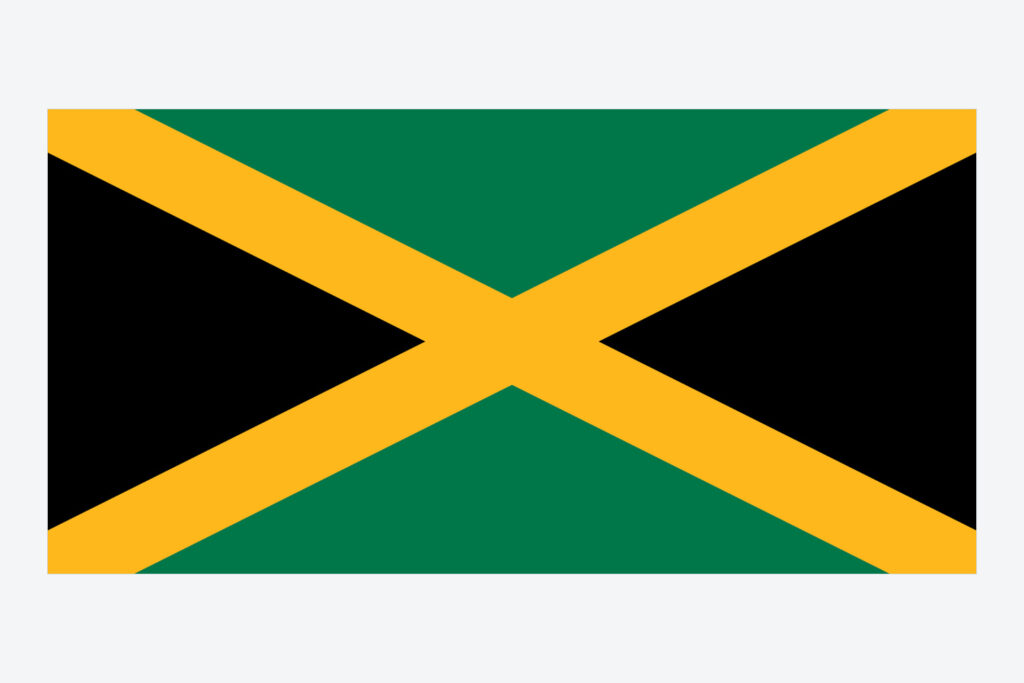
At midnight on 6 August 1962, the Union Jack was lowered at the National Stadium in Kingston and the new black, green and gold flag of Jamaica was raised in its place. Princess Margaret attended on behalf of Queen Elizabeth II, and Alexander Bustamante became the country’s first Prime Minister. Jamaica had become the first English-speaking Caribbean nation to gain full independence, remaining within the Commonwealth of Nations.
Traditions and Customs
Jamaica Independence Day is marked by a rich set of traditions that bring communities together across the island:
- The Grand Gala – The flagship event of the day, held at Kingston’s National Stadium, featuring thousands of performers in a dazzling show of dance, marching bands, military displays, drumming, music and fireworks.
- The Festival Song Contest – A beloved annual competition for original patriotic songs, with the winning entry becoming an unofficial anthem played throughout the celebrations.
- Flying the national colours – Jamaicans wear and display the black, green and gold of the flag, decorating homes, streets, vehicles and public spaces in patriotic style.
- Street parades and cultural displays – Towns and villages host processions, dance troupes and folk performances that showcase Jamaican heritage and creativity.
- Family feasts and cookouts – Gatherings centred on classic Jamaican dishes such as jerk chicken, rice and peas, festival dumplings and curried goat, shared among family and friends.
Ways to Celebrate Jamaica Independence Day
Whether you are in Jamaica or marking the day from abroad, there are many ways to take part:
- Attend or stream the Grand Gala – Experience the centrepiece celebration in Kingston in person, or watch the broadcast to enjoy the music, colour and fireworks from anywhere in the world.
- Cook a Jamaican feast – Prepare a spread of jerk chicken, rice and peas and festival, and share it with family and friends to taste the flavours at the heart of the day.
- Wear the national colours – Dress in black, green and gold to show your pride and join the visual celebration of Jamaican identity.
- Play the music of Jamaica – Fill the day with reggae, ska, dancehall and mento, the genres that have carried Jamaican culture around the globe.
- Learn the history – Read about the journey from colony to nation, the West Indies Federation and the leaders who shaped independence, and share what you discover.
- Join a diaspora event – Seek out community parades, parties and cultural festivals organised by Jamaican communities in your city.
Facts and Figures
- Jamaica gained independence on 6 August 1962, becoming the first English-speaking Caribbean country to do so.
- Alexander Bustamante, founder of the Jamaica Labour Party, served as Jamaica’s first Prime Minister.
- The Jamaican flag, with its black, green and gold design, is one of only a handful of national flags that contains no red, white or blue.
- A 1961 referendum saw 54.1 per cent of voters reject continued membership of the West Indies Federation, prompting Jamaica’s exit and hastening independence.
- Independence Day forms part of Emancipendence, a celebration that links Emancipation Day on 1 August with Independence Day on 6 August.
Links
Hashtags
Share Jamaica Independence Day with your community using #JamaicaIndependenceDay and #JamaicaIndependenceDay2027. Whether you mark the occasion with a Grand Gala watch party, a Jamaican feast or simply by flying the black, green and gold, every bit of celebration helps keep this proud national tradition alive.
Frequently asked questions
What is Jamaica Independence Day?
Jamaica Independence Day is a national public holiday commemorating 6 August 1962, the day Jamaica became an independent sovereign nation after more than 300 years of British colonial rule. It is celebrated with the Grand Gala, parades, music and family gatherings across the island and among the Jamaican diaspora worldwide.
When is Jamaica Independence Day in 2027?
Jamaica Independence Day falls on Friday 6 August 2027. The date is fixed each year, marking the anniversary of independence in 1962.
Who was Jamaica’s first Prime Minister?
Alexander Bustamante, the founder of the Jamaica Labour Party, became Jamaica’s first Prime Minister when the country gained independence in 1962. He was a central figure in the labour movement and the campaign for Jamaican self-rule.
More awareness days in August
See all → 8 Aug8 AugSundayAnimals & WildlifeUK, US, Australia and worldwideInternational Cat Day 2027
 19 Aug19 AugThursdayCommunityInternationalWorld Humanitarian Day 2027
 19 Aug19 AugThursdayArts & Culture AwarenessInternationalWorld Photography Day 2027
 23 Aug – 6 SepWeek23 Aug to 6 SepWeekSeasonalInternationalBack to School 2027