Day of Remembrance of the Victims of the Rwanda Genocide
April 7
About Day of Remembrance of the Victims of the Rwanda Genocide
The Day of Remembrance of the Victims of the Rwanda Genocide is observed on 7 April each year, marking the anniversary of the start of the 1994 genocide against the Tutsi in Rwanda. Designated by the United Nations General Assembly, the day honours the memory of more than 800,000 people who were systematically murdered over a period of approximately 100 days, and serves as a solemn reminder of the international community’s responsibility to prevent genocide.
The Story Behind the Day of Remembrance
On the evening of 6 April 1994, a plane carrying Rwandan President Juvénal Habyarimana and Burundian President Cyprien Ntaryamira was shot down as it approached Kigali airport. Within hours, Hutu extremists in Rwanda launched a coordinated campaign of mass killing against the Tutsi minority population and moderate Hutus. What followed was one of the most devastating episodes of mass violence in modern history.
Over the course of approximately 100 days, from 7 April to mid-July 1994, an estimated 800,000 to one million people were killed. The killings were carried out with horrifying speed and brutality, involving members of the Interahamwe militia, elements of the Rwandan army, and ordinary civilians who were incited to murder their neighbours. The international community’s failure to intervene effectively during the genocide remains one of the most painful chapters in the history of the United Nations.
The genocide ended in July 1994 when the Rwandan Patriotic Front (RPF), led by Paul Kagame, took control of the country. In the aftermath, Rwanda faced the enormous task of rebuilding a shattered society, pursuing justice for the perpetrators, and reconciling communities torn apart by the violence. The Gacaca community courts, established in 2001, played a significant role in addressing the massive backlog of genocide cases.
In 2003, the United Nations General Assembly designated 7 April as the International Day of Reflection on the Genocide in Rwanda. The resolution was later updated in 2018 to formally rename the observance the “International Day of Reflection on the 1994 Genocide against the Tutsi in Rwanda,” explicitly acknowledging that the genocide was directed against the Tutsi.
When and Where is the Day of Remembrance Observed?
The Day of Remembrance is observed on 7 April each year. In 2026, it falls on Tuesday, 7 April, marking the 32nd anniversary of the start of the genocide. The date is fixed and does not change.
In Rwanda, the national mourning period known as Kwibuka (the Kinyarwanda word for “to remember”) begins on 7 April and continues for 100 days, concluding with Liberation Day on 4 July. The commemorations are observed nationwide, with the main ceremony typically held at the Kigali Genocide Memorial, where more than 250,000 victims are buried.
Internationally, the United Nations organises commemorative events at its headquarters in New York and at UN offices around the world. These events typically include candle-lighting ceremonies, moments of silence, panel discussions, and screenings of documentary films.
Traditions and Customs
- Kwibuka commemorations — Rwanda’s national remembrance programme includes ceremonies, community gatherings, and educational events held across the country throughout the 100-day mourning period.
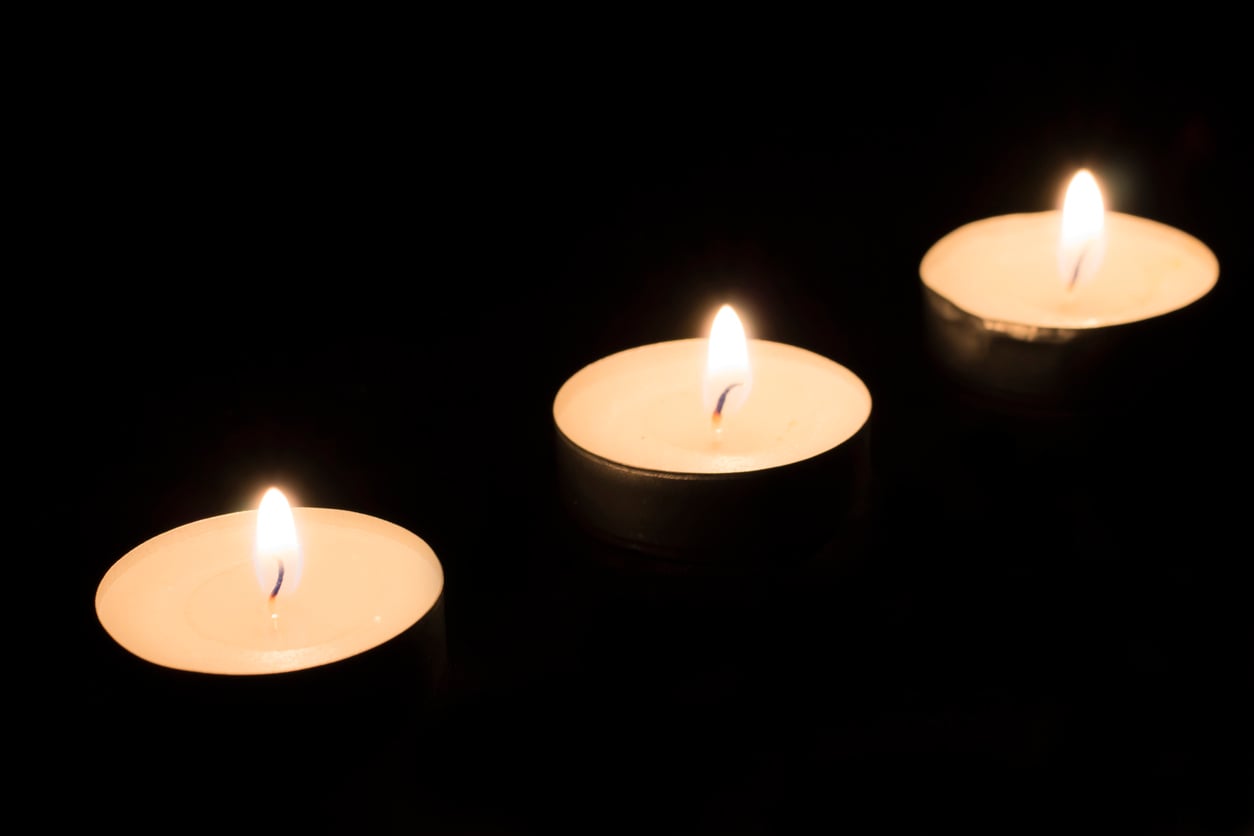
- Candle-lighting and moments of silence — Both within Rwanda and at UN events worldwide, participants light candles and observe moments of silence to honour the memory of the victims.
- Visiting memorial sites — People travel to genocide memorial sites across Rwanda, including the Kigali Genocide Memorial, the Murambi Genocide Memorial, and the Nyamata Genocide Memorial, to pay their respects and learn about the history.
- Walk to Remember — In Kigali, the annual Walk to Remember brings together thousands of Rwandans and international visitors who walk together through the capital in a powerful display of unity and remembrance.
- Survivor testimonies — Events around the world feature testimonies from genocide survivors, ensuring that first-hand accounts are preserved and shared with new generations.
Ways to Mark the Day of Remembrance
- Attend a memorial event — Many cities host commemorative events on or around 7 April. Check with your local Rwandan community organisation, university, or UN information centre for events near you.
- Light a candle at 8pm — Join the global Kwibuka tradition by lighting a candle at 8pm local time on 7 April as a symbol of remembrance and hope.
- Educate yourself and others — Read accounts of the genocide, watch documentaries, or visit the Kigali Genocide Memorial’s online resources. Understanding what happened is the first step toward prevention.
- Support survivor organisations — Organisations such as the Survivors Fund (SURF) and Ibuka provide ongoing support to genocide survivors. Donations help fund education, healthcare, and psychosocial assistance.
- Share the Kwibuka message — Use the hashtag #Kwibuka32 on social media to join the global remembrance. Sharing factual, respectful content helps counter denial and distortion.
- Advocate for genocide prevention — Support the work of the UN Office on Genocide Prevention and the Responsibility to Protect. Understanding the warning signs of genocide and advocating for early intervention can help prevent future atrocities.
Facts and Figures
- An estimated 800,000 to one million people, predominantly Tutsi, were killed during the 1994 genocide over approximately 100 days.
- The Kigali Genocide Memorial is the final resting place for more than 250,000 victims of the genocide.
- The International Criminal Tribunal for Rwanda (ICTR), established by the UN Security Council in November 1994, indicted 93 individuals and convicted 62 for genocide and other serious violations of international humanitarian law.
- Rwanda’s Gacaca community courts processed over 1.9 million cases related to the genocide between 2005 and 2012.
- Today, Rwanda is one of the few countries in the world where women hold more than 60% of seats in the national parliament.
Frequently Asked Questions
What is the Day of Remembrance of the Victims of the Rwanda Genocide?
It is an annual observance on 7 April, designated by the United Nations, to honour the memory of the more than 800,000 people killed during the 1994 genocide against the Tutsi in Rwanda and to reaffirm the commitment to preventing genocide worldwide.
When is the Day of Remembrance in 2026?
The Day of Remembrance falls on Tuesday, 7 April 2026, marking the 32nd anniversary of the start of the genocide. In Rwanda, the Kwibuka mourning period extends for 100 days from this date.
What does Kwibuka mean?
Kwibuka is a Kinyarwanda word meaning “to remember.” It is the name given to Rwanda’s annual genocide commemoration, which begins on 7 April and runs for 100 days. Each year, the commemoration is numbered — Kwibuka32 in 2026 — to mark the anniversary.
Spread the Word
Share the Day of Remembrance with your community using #Kwibuka32 and #RememberRwanda. Whether you light a candle, attend a memorial event, or simply take a moment to reflect, every act of remembrance honours the victims and reinforces the promise of “never again.”
Related Awareness Days
- World Health Day — Also observed on 7 April, this WHO-led day focuses on global health priorities and the importance of universal healthcare access.
- International Day of Human Space Flight — Observed on 12 April, commemorating Yuri Gagarin’s historic flight and humanity’s capacity for achievement.
- International Workers’ Memorial Day — Marked on 28 April, remembering those who have lost their lives in the course of their work.
Links
- Visit the official UN Day of Reflection page
- Kigali Genocide Memorial
- Explore more awareness days at AwarenessDays.com
Plan your next campaign
Use Awareness Planner to discover events, build content calendars, and stay ahead of key dates.







2026 Awareness Days Wall Planner
Every key awareness day at a glance. Perfect for offices, staff rooms, and team planning.
View Calendar →