International Square Dancing Month
September 1 - September 30
About International Square Dancing Month
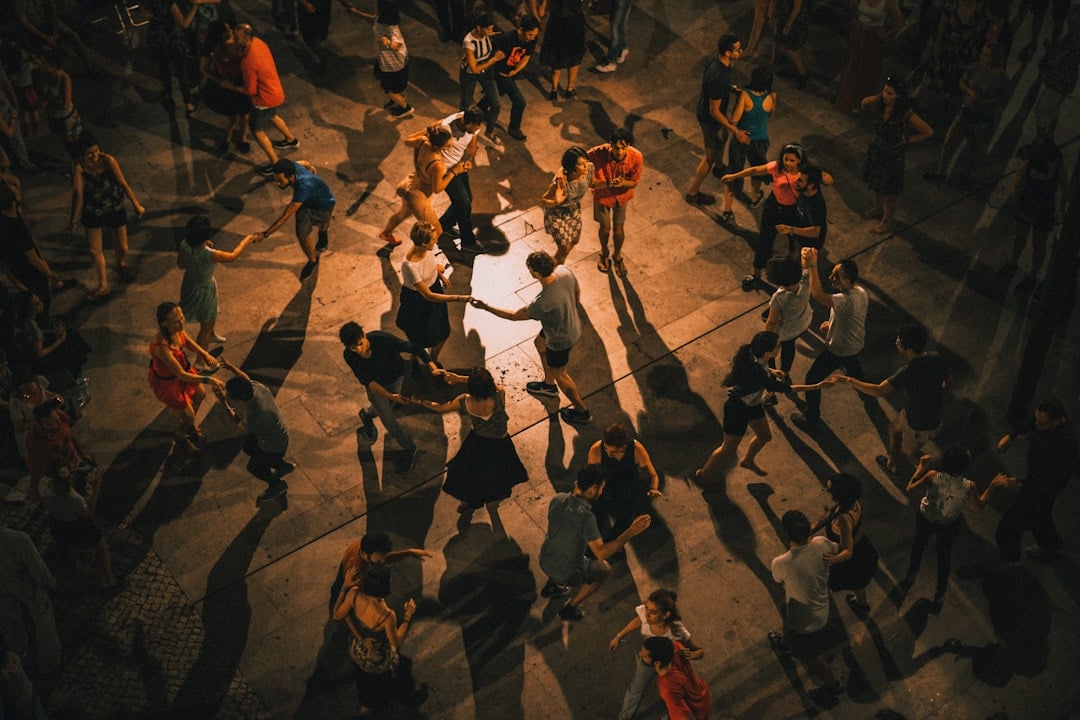
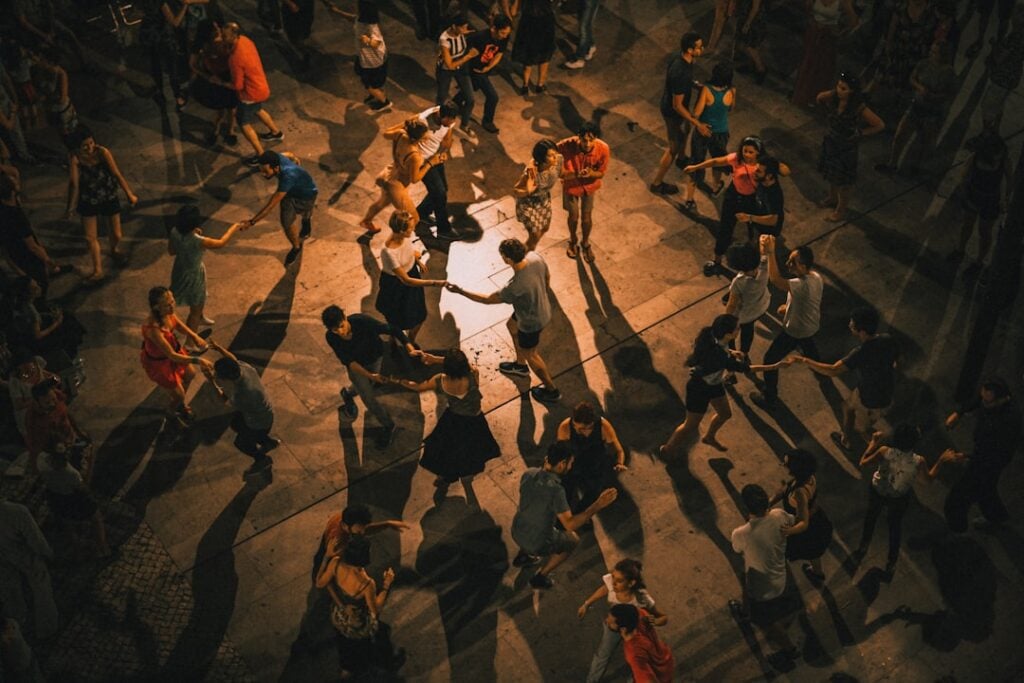
International Square Dancing Month takes place throughout September each year, and in 2026 it runs from Tuesday 1 September to Wednesday 30 September. Also known as National Square Dance Month in the United States, the observance encourages people of all ages to take to the dance floor, learn a few calls, and discover one of the most sociable folk dance traditions in the world. In 2026 it is celebrated across the whole of September.
How to Celebrate International Square Dancing Month
Square dancing is built around participation, so the best way to mark the month is simply to join in. Here are some ideas to get you moving.
- Visit a local square dance club – Most clubs welcome newcomers and run beginner nights in September, which is no coincidence: the month is traditionally when clubs open their doors to attract new dancers for the autumn season.
- Take a beginner class – Modern Western square dancing is taught in graded levels, starting with the “Basic” and “Mainstream” programmes. A first lesson usually needs no partner and no experience, just comfortable shoes.
- Learn the core calls – Master a handful of foundational moves such as the do-si-do, allemande left, promenade, and swing your partner. Knowing these makes your first dance far more enjoyable.
- Host a barn dance or hoedown – Gather friends, find a playlist of reels and hoedowns, and ask someone to act as caller. It is an easy, low-cost way to bring a community together.
- Support a caller – The caller is the heart of any square dance, guiding dancers through the figures in real time. Attending a dance and tipping or thanking your caller helps keep the tradition alive.
- Dress the part – Many dancers enjoy the traditional look of full skirts, petticoats, and Western shirts. Wearing themed clothing adds to the fun, though it is never compulsory for beginners.
- Introduce children to the dance – Square dancing is taught in schools across several countries because it improves coordination, listening skills, and teamwork. A family session is a great way to spend an afternoon.
- Share your experience online – Post photos and videos of your dances to encourage others to give it a try and to celebrate the global community of square dancers.
What is International Square Dancing Month?
International Square Dancing Month is an annual celebration of square dancing held every September. It honours both the traditional folk dance and the structured Modern Western style danced by clubs around the world. The observance is championed by square dance organisations, callers, and clubs who use the month to recruit new dancers, hold open evenings, and showcase the activity to their communities. While it is most strongly associated with the United States, square dancing has a devoted following across Europe, Japan, Australia, and beyond, making the celebration genuinely international in spirit.
When is International Square Dancing Month?
International Square Dancing Month is observed throughout September every year. In 2026 it runs from Tuesday 1 September to Wednesday 30 September. The dates are fixed, so the celebration always covers the full calendar month of September. September was chosen partly because it marks the start of the autumn dancing season, when clubs traditionally welcome their new intake of beginners.
The History of International Square Dancing Month
The dance itself has far older roots than the awareness month. Square dancing developed from European folk dances brought to North America by settlers, including the English country dance and the French quadrille, a dance for four couples arranged in a square that became popular after the American Revolution. Many of the calls still used today carry French names, such as “do-si-do” (from “dos-a-dos”, meaning back-to-back), “allemande”, and “promenade”. The role of the caller, the person who announces each figure as the dance unfolds, took shape in the United States and was shaped in part by African American musicians who called steps for the dancers, a practice that had become common by the early twentieth century.
The dedicated month is more recent. The idea of a national square dance month is generally credited to Bob Osgood, the influential publisher of “Sets in Order” magazine (later “Square Dancing”), with a reference appearing as far back as the August 1969 issue. In the early 1970s there were efforts to secure a formal Congressional resolution declaring September National Square Dancing Month, though there is no firm evidence that such a resolution was ultimately passed. Despite the lack of an official federal designation, the September observance took hold among clubs and callers and has been marked ever since.
Square dancing has come close to even higher recognition. It was named the national folk dance of the United States on a temporary basis in 1982 and 1983, and campaigns to make that status permanent have surfaced repeatedly over the decades. To date, however, square dancing has never been permanently declared the national dance, even as it has become woven into the cultural fabric of the country.
Fun Facts About International Square Dancing Month
- Twenty-four U.S. states have officially declared square dancing their state folk dance.
- Many square dance calls, including do-si-do, allemande, and promenade, are derived from French dance terminology.
- Square dancing was designated the national folk dance of the United States on a temporary basis in 1982 and 1983.
- The reference to a national square dance month dates back to at least the August 1969 issue of “Sets in Order” magazine.
- Modern Western square dancing uses standardised call lists, so a dancer trained in one country can often dance in another despite a language barrier on the floor.
- A traditional square is made up of four couples, eight dancers in total, arranged on the sides of a square.
Why International Square Dancing Month Matters
Beyond the fun, square dancing offers real benefits. It is a sociable, low-impact form of exercise that builds coordination and keeps the mind sharp through learning and recalling calls. For many clubs it is also a vital community hub, bringing together people of different ages and backgrounds in a shared activity. Celebrating the month helps a long-standing tradition find new dancers and keeps the music, the calls, and the camaraderie thriving for another generation. If you enjoy heritage celebrations rooted in music and movement, you might also like World Music Day, which celebrates music in all its forms.
Frequently Asked Questions
What is International Square Dancing Month?
It is an annual celebration of square dancing, held every September, that encourages people to learn the dance, join a club, and keep the folk tradition alive. In the United States it is also known as National Square Dance Month.
When is International Square Dancing Month in 2026?
It runs throughout September 2026, from Tuesday 1 September to Wednesday 30 September.
Do I need a partner or experience to try square dancing?
No. Most beginner nights and classes welcome people with no partner and no experience. You simply need comfortable shoes and a willingness to follow the caller, who guides every move on the floor.
Spread the Word
Join the celebration and share your best dance floor moments on social media with #SquareDanceMonth and #SquareDanceMonth2026. Tag your friends and challenge them to learn a do-si-do and take part!
Related Awareness Days
- World Music Day – A global celebration of music in all its styles, including the reels and hoedowns that drive a square dance.
- Festa Junina – A vibrant Brazilian festival famous for its quadrilha, a folk dance descended from the same European quadrille as square dancing.
- National No SpongeBob Day – Another light-hearted, participation-friendly observance for those who enjoy marking the quirkier days of the calendar.
Links
Featured image: Photo by Ardian Lumi on Unsplash.





2026 Awareness Days Wall Planner
Every key awareness day at a glance. Perfect for offices, staff rooms, and team planning.
View Calendar →