LGBTQ+ History Month
October 1 - October 31

About LGBTQ+ History Month
LGBTQ+ History Month is an annual observance held throughout October in the United States and a growing number of other countries. It celebrates the history, achievements and contributions of lesbian, gay, bisexual, transgender and queer people, and is designed to bring that history into classrooms, workplaces and communities. This October observance is distinct from the United Kingdom’s LGBT History Month, which takes place each February.
The Story Behind LGBTQ+ History Month
LGBTQ+ History Month began with a single high-school history teacher. In January 1994, Rodney Wilson, a teacher in the Mehlville School District near St. Louis, Missouri, drafted a proposal for what he then called Lesbian and Gay History Month. Earlier that year, while teaching a lesson on the Holocaust, Wilson had come out to his students, becoming the first known openly gay public school teacher in Missouri. That moment convinced him that young people needed to learn that LGBTQ+ people had always been part of history, and that their stories deserved a place on the curriculum.
Wilson reached out to teachers, activists and organisations across the country to build support for the idea. The newly formed Gay, Lesbian and Straight Education Network, now known as GLSEN, helped create the event and convened an inaugural conference on LGBT history that autumn. The first Lesbian and Gay History Month was celebrated in October 1994, making it the world’s first observance of its kind. It quickly drew endorsements from national bodies including GLAAD, the Human Rights Campaign, the National Gay and Lesbian Task Force and the National Education Association.
October was a deliberate choice. Wilson selected the month to commemorate the first and second National Marches on Washington for Lesbian and Gay Rights, held in 1979 and 1987, and to align with National Coming Out Day on 11 October. Placing the observance in October also kept it within the academic calendar, ensuring schools and universities could take part. In 2006, the Philadelphia-based non-profit Equality Forum assumed responsibility for providing content, promotion and educational resources, and introduced its signature “31 Days, 31 Icons” format, spotlighting a different LGBTQ+ figure on each day of the month.
When and Where is LGBTQ+ History Month Celebrated?
LGBTQ+ History Month runs from Thursday, 1 October to Saturday, 31 October 2026 in the United States, and it is observed every October. It is recognised in schools, universities, libraries, museums and workplaces across the country, and is now marked in roughly 20 countries worldwide, from Italy to Cuba to New Zealand. The United Kingdom, Hungary and a handful of other nations observe their own LGBT History Month in February instead, so the timing varies depending on where you are. If you are in the UK, you may wish to mark the February LGBT History Month as well.
Traditions and Customs
Across the many places that take part, several common traditions have taken shape over the years:
- Daily icon spotlights – Equality Forum’s “31 Days, 31 Icons” features a new LGBTQ+ figure each day of October, complete with a short biography, video and downloadable resources for teachers and students.
- Classroom learning – Schools and universities weave LGBTQ+ history into lessons, library displays and reading lists, reflecting the educational roots of the observance.
- Community events and exhibitions – Museums, archives and community centres host talks, film screenings and exhibitions exploring local and national LGBTQ+ heritage.
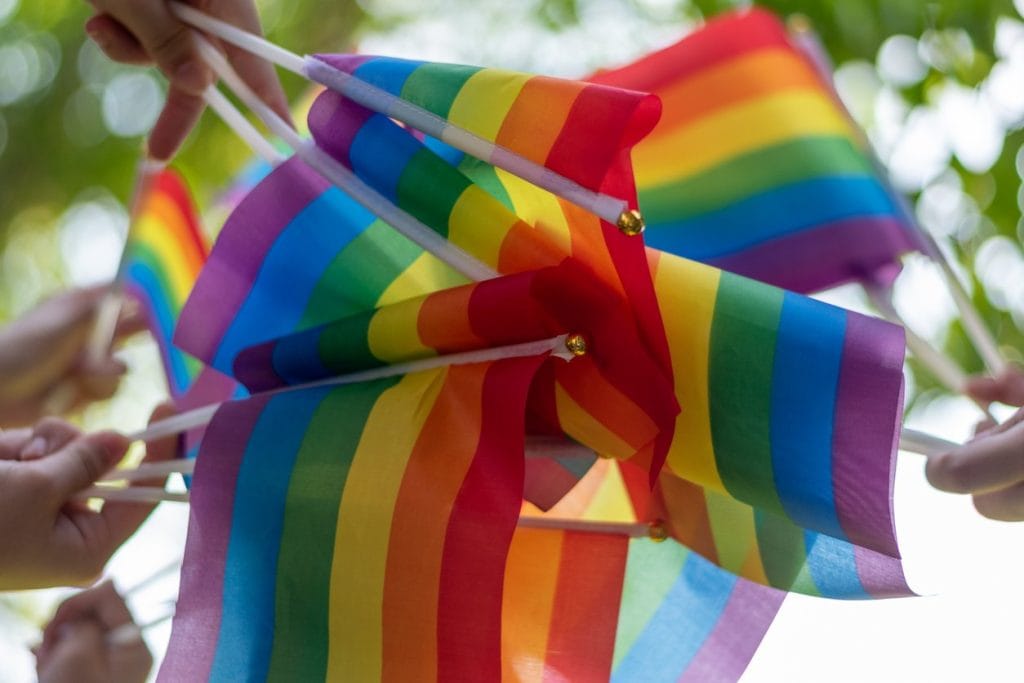
- Raising the rainbow flag – Workplaces, councils and campuses display the rainbow Pride flag and related flags to signal visibility and support throughout the month.
- Coming Out Day activities – Many programmes build around National Coming Out Day on 11 October, an established anchor point within the month.
Ways to Celebrate LGBTQ+ History Month
There are many ways to take part, whether you are an educator, an employer or an individual:
- Learn an LGBTQ+ figure’s story – Read about a historical icon you have never heard of, from civil rights organiser Bayard Rustin to scientist Alan Turing, and share what you learn.
- Visit an archive or exhibition – Seek out a local museum, LGBTQ+ archive or library display that documents queer history in your area.
- Support an LGBTQ+ organisation – Donate to or volunteer with groups such as GLSEN or a community centre working on education and inclusion.
- Bring history into the classroom or workplace – Teachers can plan a lesson, and employers can host a talk or staff network session that highlights LGBTQ+ contributions.
- Read queer history and literature – Pick up a book by an LGBTQ+ author or a history of the movement, and consider starting a reading group.
- Share online – Use your social platforms to amplify lesser-known stories, films and resources throughout October.
Facts and Figures
- The first Lesbian and Gay History Month was celebrated in October 1994, founded by Missouri teacher Rodney Wilson.
- Wilson came out to his students during a Holocaust lesson, becoming the first known openly gay public school teacher in Missouri.
- October was chosen to commemorate the 1979 and 1987 National Marches on Washington and to coincide with National Coming Out Day on 11 October.
- Since 2006, Equality Forum has run the observance, profiling 31 LGBTQ+ icons across the 31 days of October.
- Thirty years on from its founding, similar history months are now observed in roughly 20 countries around the world.
Frequently Asked Questions
What is LGBTQ+ History Month?
LGBTQ+ History Month is an annual observance celebrating the history, achievements and contributions of lesbian, gay, bisexual, transgender and queer people. In the United States and many other countries it is held throughout October, with an educational focus on bringing LGBTQ+ history into schools and communities.
When is LGBTQ+ History Month in 2026?
In the United States and internationally, LGBTQ+ History Month runs the full month of October, from Thursday, 1 October to Saturday, 31 October 2026. The United Kingdom observes its own LGBT History Month in February.
Why is LGBTQ+ History Month in October and not February?
Founder Rodney Wilson chose October for the original American observance to honour the 1979 and 1987 Marches on Washington, to align with National Coming Out Day and to fit the academic calendar. The United Kingdom later established a separate observance in February to tie in with the anniversary of the abolition of Section 28.
Spread the Word
Share LGBTQ+ History Month with your community using #LGBTQHistoryMonth and #LGBTQHistoryMonth2026. Whether you mark the occasion by learning an icon’s story, visiting an archive or raising the rainbow flag, every bit of awareness helps keep this history alive.
Related Awareness Days
- National Coming Out Day – Held on 11 October, this day sits at the heart of LGBTQ+ History Month and celebrates the act of living openly.
- International Pronouns Day – Marked in late October, it promotes respect for the pronouns people use to describe themselves.
- Celebrate Bisexuality Day – Observed on 23 September, it raises visibility for the bisexual community in the lead-up to History Month.
Links




2026 Awareness Days Wall Planner
Every key awareness day at a glance. Perfect for offices, staff rooms, and team planning.
View Calendar →