Mischief Night 2026
Friday 30 October 2026
Dates can vary from year to year, so check the organiser’s website for the latest details.
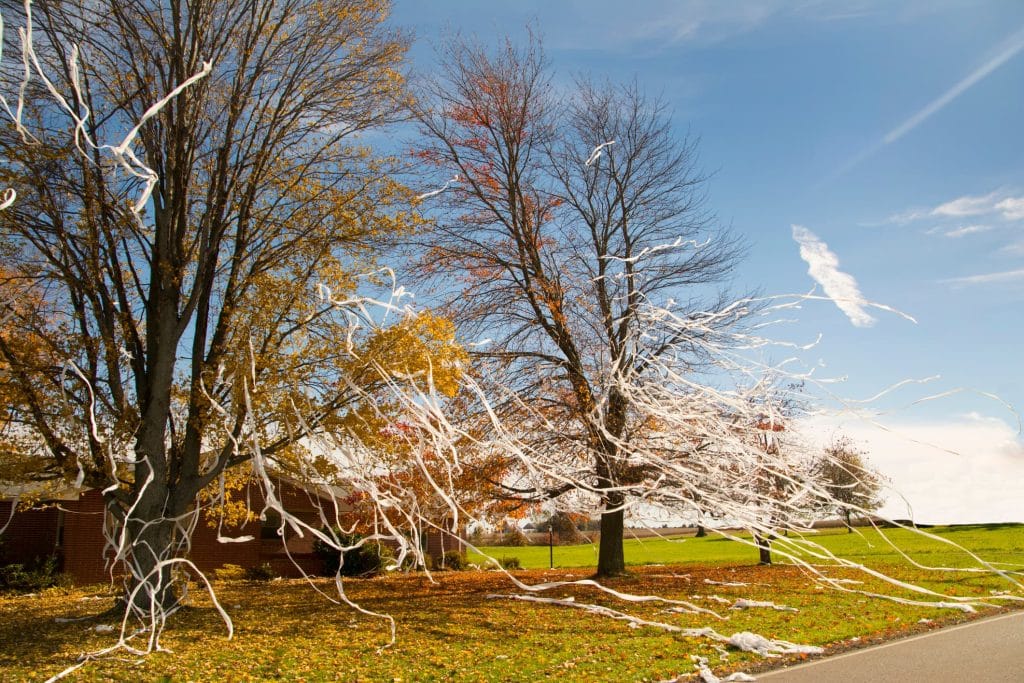
It is a name associated with jokes and pranks around the Halloween and Bonfire Night period. The name alone does not establish one ancient origin, one set of customs or an invitation to interfere with people and property.
Add this date to my calendarA full year of awareness dates, ready to edit, print or sync.
Get the full 2027 awareness days calendar£39 a year. Renews annually.
On this page
Dates and event details
Friday 30 October 2026. Held every year on 30 October.
| Date status | Date calculated from a fixed annual pattern |
|---|---|
| Date-check source | Campaign or date-check source |
| Where | Dates vary by region |
What is Mischief Night?
It is a name associated with jokes and pranks around the Halloween and Bonfire Night period. The name alone does not establish one ancient origin, one set of customs or an invitation to interfere with people and property.
If planning a gathering, explain your own date and format. You can use a playful theme without involving unwilling neighbours, making a mess in public or copying destructive behaviour from historical accounts.
Mischief Night has different dates in different places. The Halloween-eve tradition is associated with Friday 30 October in 2026. In parts of northern England, the name traditionally refers to the night before Bonfire Night: Wednesday 4 November 2026.
Visiting a themed event
Check the venue’s current opening times, age guidance, admission and booking arrangements. The York listing, for example, describes a particular attraction and its own audience guidance; it is not a template for every Mischief Night event.
When sharing a local listing, include its actual date and location rather than relabelling it as an event on 30 October.
Three activities for a willing group
The following are our party suggestions, rather than inherited customs or an official programme.
- A puzzle trail. Hide written clues around a room or an agreed private space. Tell participants the boundaries and offer a version that can be completed seated or with a partner.
- A deliberately silly quiz. Mix genuine questions with clearly labelled joke rounds. Let people opt out of performing or speaking in front of the group.
- A mystery-object challenge. Put a few ordinary objects in a bag and invite descriptions or guesses. Avoid anything sharp, messy or likely to cause an allergy, and allow people to look rather than touch.
Agree beforehand that people can stop an activity at any time. Keep food, photographs and practical jokes optional. A surprise should remain enjoyable for the person receiving it, not just for everyone watching.
Why do the dates differ?
The name has been used for regional traditions rather than a single centrally organised festival. Aviva’s account of seasonal incidents explicitly distinguishes 30 October and 4 November depending on location.
For a northern English example, Visit York’s York Mansion House listing describes the traditional night before Bonfire Night. Its 2026 museum puzzle trail runs on a separate programme. The dates of a themed attraction are not necessarily the date of the tradition itself.
Frequently asked questions
Is Mischief Night always 30 October?
No. That date is associated with Halloween eve, while the northern English tradition can refer to 4 November.
Does the name justify damaging property?
No. Keep any activity within a group that has agreed to take part and respect other people, animals and shared spaces.
Which date should go on our invitation?
Use the date of your own gathering or the venue’s published event. Explain the regional tradition separately if it is part of the activity.
More awareness days in October
See all → 31 Oct31 OctSaturdaySeasonalUK, US, Australia and worldwideHalloween
 1–31 OctMonth1 Oct to 31 OctMonthCancerUK, US, Australia and worldwideBreast Cancer Awareness Month 2026
 1–31 OctMonth1 Oct to 31 OctMonthCommunityUKBlack History Month
 1–7 OctWeek1 Oct to 7 OctWeekFood & NutritionInternationalNational Vegetarian Week 2026