August 27, 2027
| Date | Friday 27 August 2027 |
|---|---|
| When it falls | Every year on 27 August |
| Where | US |
About National Banana Lovers Day
National Banana Lovers Day 2026 was on Thursday 27 August 2026. The next National Banana Lovers Day is on Friday 27 August 2027.
National Banana Lovers Day is observed every year on 27 August. It is an informal food celebration dedicated to one of the world’s most popular and nutritionally rich fruits, encouraging people to enjoy bananas in all their forms, from a simple healthy snack to an ingredient in elaborate dishes and baked goods. The day is marked principally in the United States and has spread via social media to food enthusiasts across the globe.
What Is National Banana Lovers Day?
National Banana Lovers Day is an annual celebration that shines a spotlight on the humble banana. The day encourages people to appreciate everything the banana offers: its natural sweetness, its remarkable nutritional profile, its versatility in the kitchen, and its role as one of the most affordable and accessible fruits in the world. From classic banana bread to tropical smoothies, the day invites communities to get creative with this beloved fruit and to think more carefully about where their bananas come from and how they are grown.
When Is National Banana Lovers Day?
National Banana Lovers Day falls on 27 August each year. In 2026, this fell on a Thursday. It sits conveniently in late summer, a time when many people are looking for refreshing, energy-boosting snacks, making it a natural fit for banana-themed recipes and activities.
Why It Matters
Bananas are the fourth most produced agricultural crop in the world, grown in more than 130 countries. They are a dietary staple for hundreds of millions of people, particularly in parts of Africa, Latin America, and South-East Asia, where they serve both as a food source and as an important economic crop for small-scale farmers.
The day also raises awareness of the environmental challenges facing banana cultivation. The Cavendish variety, which dominates global markets, is under threat from Fusarium wilt (Panama disease TR4), a fungal infection for which there is currently no commercially viable cure. Celebrating bananas is also a prompt to consider more sustainable farming practices and the importance of crop diversity.
On a nutritional level, the banana is a genuine powerhouse. A medium banana provides approximately 105 calories, 3 grams of dietary fibre, and significant quantities of potassium, vitamin C, vitamin B6, and magnesium. The potassium content supports healthy blood pressure, while vitamin B6 assists in the production of serotonin. For athletes, bananas offer a natural, fast-releasing energy source without the artificial additives found in many commercial energy products.
How to Get Involved
- Cook with bananas: Try a classic banana bread, make banana pancakes, blend a tropical smoothie, or prepare banana foster. Bananas work equally well in savoury dishes, particularly in cuisines across West Africa, the Caribbean, and Central America.
- Experiment with plantains: A close relative of the dessert banana, plantains are a versatile cooking banana used across tropical cuisines. Try fried plantain, plantain curry, or tostones.
- Share on social media: Post your banana creations using the hashtags #BananaLoversDay or #NationalBananaLoversDay.
- Choose Fairtrade: Seek out Fairtrade or Rainforest Alliance certified bananas at your local supermarket, supporting farmers who are paid fairly and farming more sustainably.
- Donate to a food bank: Bananas make an excellent donation item. Drop some off at your local food bank or community pantry in recognition of the day.
History
The precise origins of National Banana Lovers Day are not clearly documented. Like many unofficial food holidays that have proliferated in the internet era, the day emerged in the early 2000s without a single identifiable founder or organising body, spreading organically through food blogs and day-of-the-year websites.
Bananas themselves have a much longer and richer history. Archaeological evidence suggests that bananas were first cultivated in Papua New Guinea approximately 8,000 years ago, making them one of the earliest domesticated crops. The fruit spread westward through trade routes to India, then to the Middle East and Africa, and was introduced to the Americas by Portuguese sailors in the early 16th century.
In Britain and much of Europe, bananas became widely available only in the late 19th and early 20th centuries, initially as an exotic luxury before mass importation made them affordable to all. During the Second World War, bananas virtually disappeared from British shops due to wartime shipping restrictions, and their return in 1945 was celebrated as a symbol of post-war normalcy.
The modern commercial banana industry is dominated by the Cavendish cultivar, which replaced the Gros Michel variety after Panama disease devastated plantations in the 1950s. Researchers worldwide are now working to develop disease-resistant alternatives before history repeats itself.
Noteworthy Facts
- Bananas are botanically classified as berries, while strawberries technically are not.
- The banana plant is a giant herb, not a tree. The trunk is formed from tightly packed leaf bases.
- A cluster of bananas is called a hand; a single banana is called a finger.
- Bananas are mildly radioactive due to their natural potassium-40 content, though the amount is entirely harmless.
- Over 1,000 varieties of banana exist globally, though only a handful are commonly found in shops.
- Ripe bananas contain more natural sugars and are easier to digest than unripe ones, which are higher in resistant starch.
- The inside of a banana peel can soothe insect bites and minor skin irritation, according to traditional home remedies.
You might also enjoy reading about National Banana Split Day or exploring National Blueberry Day for more fruity food celebrations.
Hashtags
#BananaLoversDay | #NationalBananaLoversDay | #BananaDay | #GoNananas
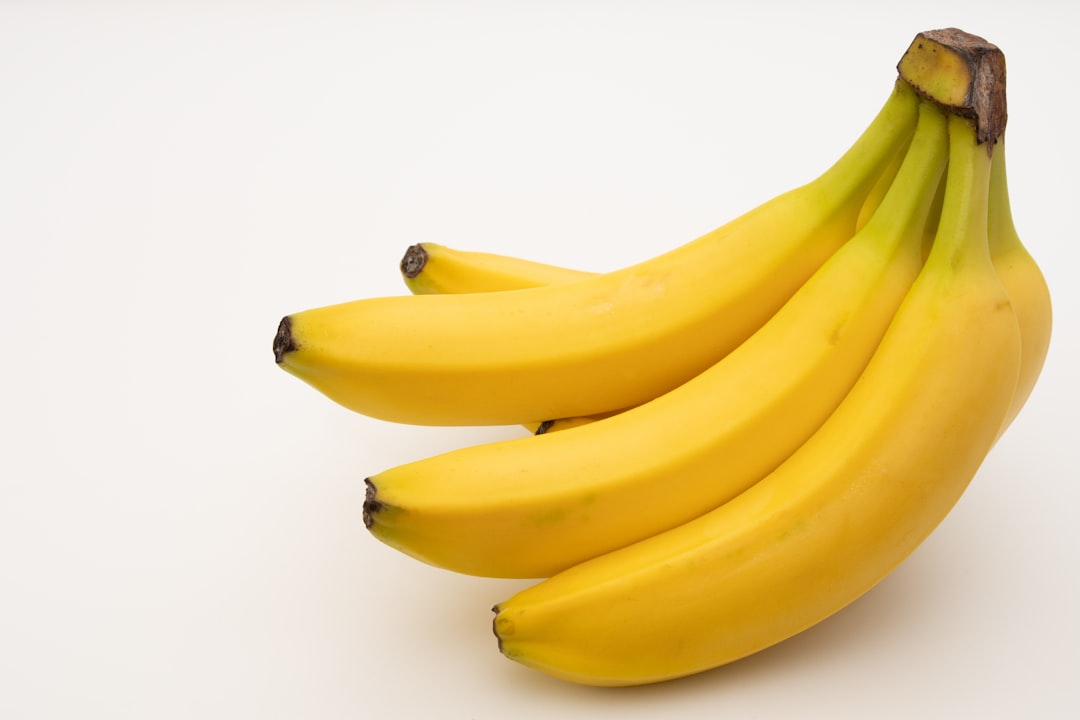
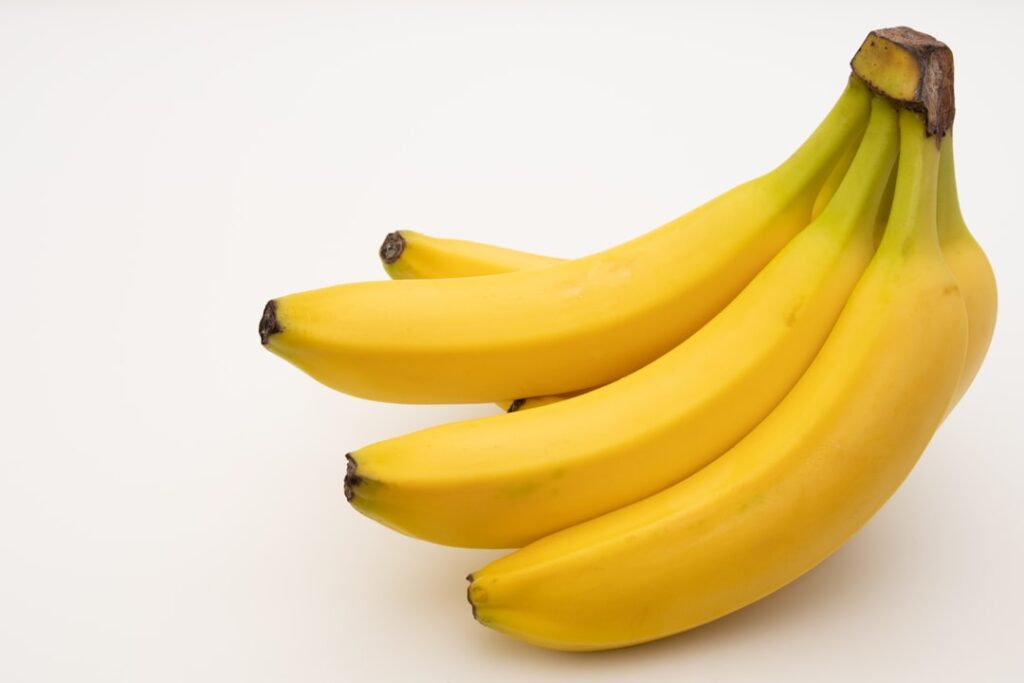
Featured image: Photo by Gabriel Mihalcea on Unsplash.






2026 Awareness Days Wall Planner
Every key awareness day at a glance. Perfect for offices, staff rooms, and team planning.
View Calendar →