

National Cream Tea Day 2026
Friday 26 June 2026 · the last Friday of June each year
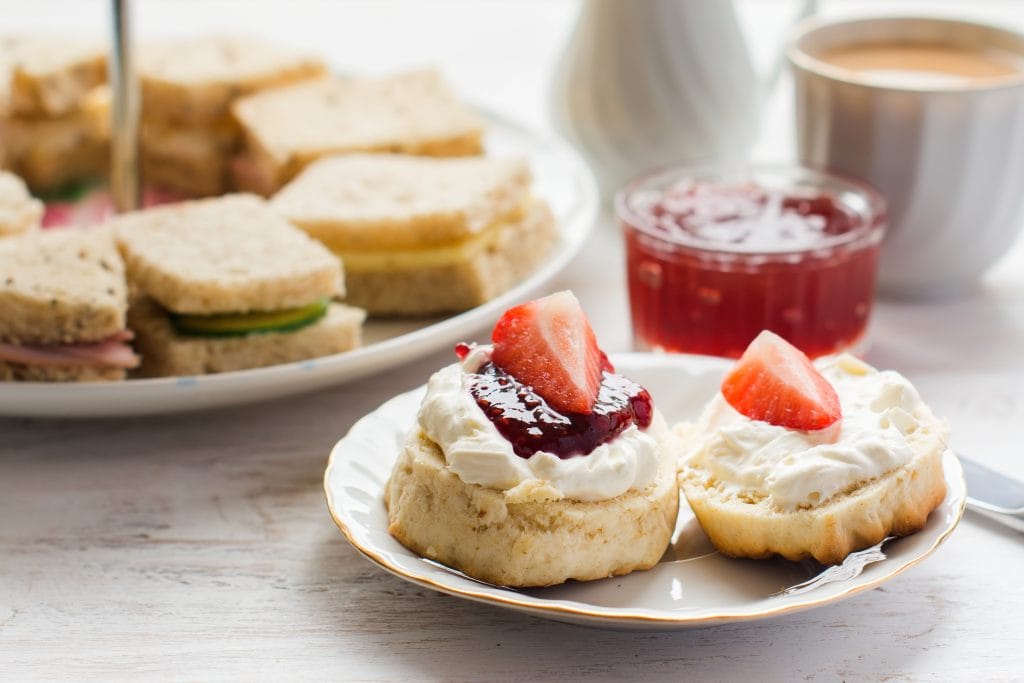
National Cream Tea Day is an annual food celebration dedicated to the quintessentially British treat of scones topped with clotted cream and jam, served alongside a pot of tea.
Also on 26 June: International Day Against Drug Abuse and Illicit Trafficking · Dream Big Day · National Stitch Day
How to Celebrate National Cream Tea Day
National Cream Tea Day falls on Friday, 26 June 2026, marking an annual celebration of one of Britain’s best-loved culinary traditions: the humble scone served with clotted cream and jam. Held on the last Friday of June each year, the day encourages people across the United Kingdom to enjoy a cream tea while raising money for charity. It is organised by the Cream Tea Society, founded by Rodda’s Cornish Clotted Cream and Wilkin and Sons Tiptree.
This is a day made for indulgence, so the best way to take part is simply to sit down with a freshly baked scone and a pot of tea. Here are plenty of ways to get involved:
- Bake your own scones from scratch – A classic scone needs only a handful of ingredients: flour, butter, sugar, milk, and a raising agent. Bake a batch in the morning so they are still warm when you serve them in the afternoon.
- Host a cream tea fundraiser – The day exists to support good causes, so invite friends, family, or colleagues round and ask for donations. Workplaces, schools, and community groups can all set up a charity cream tea with minimal fuss.
- Pick your side in the jam-versus-cream debate – Will you go the Cornish way with jam first and cream on top, or the Devon way with cream first and jam to finish? Lay out both options and let your guests decide.
- Visit a tea room or hotel – Many cafes, garden centres, and hotels lay on special cream tea menus and afternoon tea deals to mark the occasion. Book ahead, as popular venues fill up quickly on the day.
- Sample regional clotted creams – Cornish clotted cream holds Protected Designation of Origin status, so seek out an authentic pot and compare it with creams from Devon and beyond.
- Try a flavoured twist – Experiment beyond the plain scone with fruit scones studded with sultanas, or pair your cream tea with different preserves such as strawberry, raspberry, or even lemon curd.
- Share your spread on social media – Photograph your finest cream tea and post it with the official hashtags. The Cream Tea Society loves seeing how people across the country celebrate.
- Brew the perfect pot of tea – A cream tea is only half complete without the tea itself. Warm the pot, use loose leaf if you can, and let it steep properly before pouring.
What is National Cream Tea Day?
National Cream Tea Day is an annual food celebration dedicated to the quintessentially British treat of scones topped with clotted cream and jam, served alongside a pot of tea. It is run by the Cream Tea Society, a community set up by two of Britain’s most famous producers, Rodda’s of Cornwall and Tiptree of Essex. The day doubles as a charity drive, encouraging people to host cream teas and donate to causes close to their hearts. Anyone with a sweet tooth and a kettle can take part, whether at home, in a tea room, or at a community event.
When is National Cream Tea Day?
National Cream Tea Day takes place on Friday, 26 June 2026. It is held annually on the last Friday of June, which means the exact date shifts from year to year. Because of this moving pattern, it is worth checking ahead if you want to plan a fundraiser or book a table. The table below shows the date for the next five years.
| Year | Date |
|---|---|
| 2026 | Friday, 26 June |
| 2027 | Friday, 25 June |
| 2028 | Friday, 30 June |
| 2029 | Friday, 29 June |
| 2030 | Friday, 28 June |
Plan around National Cream Tea Day and every key date in June
The Awareness Days Toolkit puts every awareness day for 2026 and 2027 in a spreadsheet, printable PDF calendars and an iCal feed that keeps itself up to date.
The History of National Cream Tea Day
The cream tea itself is far older than the awareness day that celebrates it. Evidence suggests the tradition of eating bread with clotted cream and jam dates back to the 11th century at Tavistock Abbey in Devon. According to local lore, the abbey’s monks rewarded labourers who helped rebuild the monastery after a Viking raid with bread topped with clotted cream and strawberry preserves. The treat proved so popular that the monks went on to serve it to travellers passing through the area, planting the seeds of a tradition that would endure for centuries.
While scones are widely thought to have Scottish roots, it was in the lush dairy counties of Devon and Cornwall that they were first paired with clotted cream and jam. The region’s mild climate and rich pastures made it ideal for dairy farming, and local producers perfected the slow, careful process of making clotted cream. The phrase “cream tea” in its modern sense is relatively recent, with one of the earliest printed references appearing in a 1932 article in The Cornishman newspaper.
The awareness day was created much later. Rodda’s Cornish Clotted Cream and Wilkin and Sons Tiptree joined forces to launch National Cream Tea Day, forming the Cream Tea Society to bring together cream tea lovers and channel that enthusiasm towards charity. Since its launch, the founders report having helped raise over £2 million for charities across the UK, and they donate up to 50,000 portions of clotted cream and jam each year to support fundraising events. If you enjoy marking food traditions, you might also like Afternoon Tea Week, a related celebration of Britain’s tea culture held each August.
Fun Facts About National Cream Tea Day
- The great regional divide centres on order: the Cornish way puts jam on the scone first with cream on top, while the Devon way spreads cream first and finishes with jam.
- Cornish clotted cream holds Protected Designation of Origin status, meaning genuine Cornish clotted cream must be produced in Cornwall to strict standards.
- The Victorian statesman William Gladstone is said to have described Cornish clotted cream as “the food of the gods.”
- The Cream Tea Society’s founders donate up to 50,000 portions of cream and jam every year to help people run charity cream teas.
- The earliest evidence of bread served with cream and jam traces to Tavistock Abbey in Devon, around the 11th century.
- Clotted cream gets its name from the “clots” or thick crust that forms when full-cream milk is gently heated and then left to cool slowly.
Why National Cream Tea Day Matters
Beyond the joy of a warm scone, National Cream Tea Day plays a genuine role in supporting good causes, having helped raise more than £2 million for charities to date. It also celebrates a piece of British heritage rooted in the dairy traditions of the South West, keeping regional craft and rivalry alive. At its heart, the day is about bringing people together over a simple, shared pleasure, whether that is a family gathering, a workplace fundraiser, or a community coffee morning.
Hashtags
Links





Frequently asked questions
What is National Cream Tea Day?
National Cream Tea Day is an annual celebration of the British cream tea, the classic combination of scones, clotted cream, and jam served with a pot of tea. It is organised by the Cream Tea Society and encourages people to enjoy a cream tea while raising money for charity.
When is National Cream Tea Day in 2026?
National Cream Tea Day falls on Friday, 26 June 2026. It is held every year on the last Friday of June, so the date changes annually.
Should you put jam or cream on a scone first?
It depends on where you stand in the famous regional debate. The Cornish method spreads jam onto the scone first and tops it with clotted cream, while the Devon method spreads the cream first and adds jam on top. Both are widely defended, so the “correct” order is largely a matter of pride and personal taste.
More awareness days in June
See all → 23–26 Jun23 Jun to 26 JunBusiness & FinanceInternationalAmazon Prime Day 2026
 26 Jun26 JunFridayCommunityInternationalInternational Day in Support of Victims of Torture26Jun26 Jun26 JunFridayGlobal & NationalInternationalMadagascar – Independence Day
 26 Jun26 JunFridayFood & NutritionUSNational Coconut Day
 26 Jun26 JunFridayCancerInternationalCancer Wellness Awareness Day
 26 Jun26 JunFridayEducation & YouthUSDream Big Day
 26 Jun26 JunFridayFun & QuirkyInternationalNational Stitch Day
 26 Jun26 JunFridaySafety & PreventionInternationalNational SAFER Workplace Day