

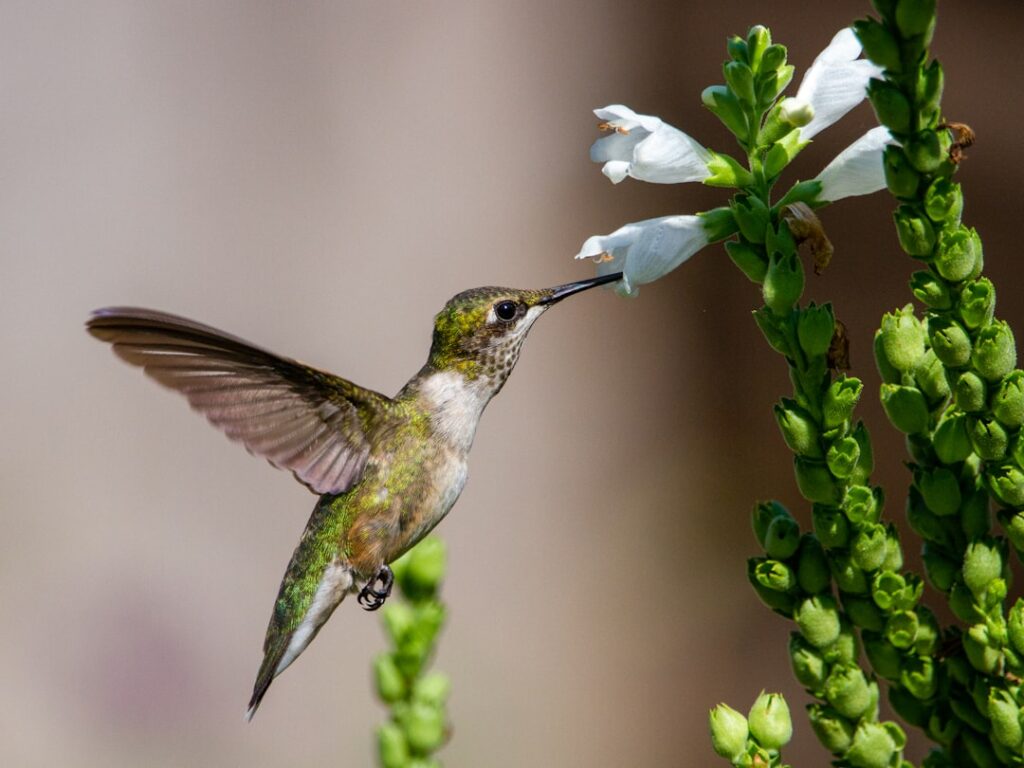
National Hummingbird Day 2027
Saturday 4 September 2027
National Hummingbird Day is celebrated on the first Saturday of September each year.
Also on 4 September: International Bacon Day · International Vulture Awareness Day · National Eat an Extra Dessert Day
What is National Hummingbird Day?
National Hummingbird Day 2027 is on Saturday 4 September 2027.
National Hummingbird Day is celebrated on the first Saturday of September each year. The observance was established to raise awareness of hummingbirds, highlight their ecological importance as pollinators, and encourage people to support their conservation. In September, many hummingbird species across North America are at their most active as they prepare for southward migration, making the timing particularly fitting for appreciating and supporting these birds.
National Hummingbird Day is an annual occasion dedicated to celebrating and protecting hummingbirds, a family of birds found exclusively in the Western Hemisphere. The day encourages people to learn about hummingbird species, habitat requirements, and conservation challenges, and to take practical steps to support local hummingbird populations through garden planting, feeder maintenance, and habitat preservation.
Hummingbirds are among the most distinctive birds in the world. Their ability to hover in place, fly backwards, and sustain rapid wing beats gives them a flight capability unlike any other bird family. They are also critical pollinators: as they feed on nectar from tubular flowers, pollen attaches to their heads and bills and is transferred between plants, supporting the reproduction of a wide range of flowering species.
The day is recognised by the National Day Calendar in the United States and promoted by birding organisations, conservation groups, wildlife refuges, and garden centres across North America. It falls at a strategic point in the birding year, just as late-summer hummingbird activity peaks and many species begin the long process of preparing for southward migration.
When is National Hummingbird Day?
National Hummingbird Day falls on the first Saturday of September each year. The placement in early September reflects the biology of the occasion: this is one of the busiest periods for hummingbird activity in the northern hemisphere, as species such as the ruby-throated hummingbird, rufous hummingbird, and calliope hummingbird begin building the energy reserves they need for their autumn migration to Central America and Mexico. Feeders and nectar-rich gardens in September are therefore both timely and genuinely valuable to local hummingbird populations.
Plan around National Hummingbird Day and every key date in September
The Awareness Days Toolkit puts every awareness day for 2026 and 2027 in a spreadsheet, printable PDF calendars and an iCal feed that keeps itself up to date.
Why It Matters
Hummingbirds play a vital and often underappreciated role in ecosystems across the Americas. As highly specialised nectarivores, they have co-evolved with hundreds of flowering plant species, many of which depend on hummingbirds as their primary or only pollinator. The loss of hummingbird populations from a region can therefore have cascading effects on plant communities and the broader ecosystems that depend on those plants.
Several factors threaten hummingbird populations. Habitat loss through deforestation and urbanisation removes both nesting sites and the flowering plants that provide nectar. Pesticide use reduces the insect populations that hummingbirds rely on for protein alongside nectar. Climate change disrupts the timing of migration and flowering, creating mismatches between hummingbird arrivals and peak nectar availability. Hurricanes and extreme weather events further disrupt migration routes, particularly in the Gulf of Mexico region.
National Hummingbird Day draws public attention to these pressures and offers practical responses. By planting hummingbird-friendly gardens, maintaining feeders responsibly, and supporting conservation organisations, individuals can make a direct positive difference to local and migratory hummingbird populations.
How to Get Involved
There are many accessible ways to celebrate National Hummingbird Day and support hummingbird conservation:
- Hang a feeder: Fill a clean hummingbird feeder with a solution of four parts water to one part white sugar. Avoid red dye, honey, and artificial sweeteners, which can harm birds. Change the solution every two to three days to prevent fermentation and mould.
- Plant nectar-rich flowers: Hummingbirds are attracted to tubular, brightly coloured flowers. Favourites include bee balm, columbine, foxglove, salvia, fuchsia, cardinal flower, and trumpet vine. Native species are particularly valuable as they have co-evolved with local hummingbird populations.
- Create habitat: Leave areas of natural vegetation in your garden, provide small water sources such as a misting sprinkler, and avoid pesticide use to support the insect populations that hummingbirds eat for protein.
- Record sightings: Log hummingbird sightings through citizen science platforms such as eBird. This data helps researchers track migration patterns, population health, and the impact of climate change on hummingbird distribution.
- Donate to conservation: Support organisations working on hummingbird and pollinator conservation, habitat protection, or climate advocacy.
- Share on social media: Post photographs, facts, and feeder updates using the dedicated hashtags to raise awareness and encourage others to participate.
History
National Hummingbird Day was established to give hummingbirds a dedicated moment of recognition within the busy calendar of wildlife and conservation observances. The day was placed on the first Saturday of September to align with the peak of late-summer hummingbird activity in North America, when feeders and gardens attract the greatest concentration of birds prior to autumn migration.
Hummingbirds themselves have a remarkable evolutionary history stretching back more than 40 million years. Fossil evidence indicates that the hummingbird lineage originated in Europe before becoming extinct there and subsequently diversifying across South and North America. Today, the International Ornithological Committee recognises approximately 366 species of hummingbird, making it one of the largest families of birds in the world. Around 330 species are found in South and Central America, with a smaller number ranging into North America during the breeding season.
The ruby-throated hummingbird is the only species that breeds regularly east of the Mississippi River in the United States and Canada. It undertakes an extraordinary non-stop crossing of the Gulf of Mexico during migration, covering up to 800 kilometres in a single flight. Before departure, ruby-throated hummingbirds can increase their body weight by up to 40%, storing the fat reserves that fuel this remarkable journey.
Conservation interest in hummingbirds has grown alongside broader concern for pollinators and biodiversity. The establishment of National Hummingbird Day reflects this growing recognition of hummingbirds not just as aesthetically striking birds but as ecologically essential species whose wellbeing is linked to the health of the plant communities and landscapes they inhabit.
Noteworthy Facts
- Hummingbirds are the only birds capable of sustained hovering and of flying backwards, due to their uniquely flexible shoulder joints and rapid, figure-of-eight wing strokes.
- A hummingbird’s heart beats at up to 1,200 beats per minute during flight, roughly 20 times faster than a resting human heart.
- Hummingbirds can flap their wings between 50 and 80 times per second during normal flight, and up to 200 times per second during courtship dives.
- The bee hummingbird of Cuba is the world’s smallest bird, weighing approximately 1.6 grams, less than a penny coin.
- Some hummingbird species migrate more than 3,000 kilometres each year, with the rufous hummingbird undertaking one of the longest migrations relative to body size of any bird in the world.
- Hummingbirds have an extraordinary memory for food sources: they remember the location of every flower and feeder they have visited and can recall when a flower is likely to have replenished its nectar.
- The International Ornithological Committee recognises approximately 366 hummingbird species worldwide, of which two are classified as extinct.
Hashtags
Frequently asked questions
When is National Hummingbird Day?
National Hummingbird Day is on 4 September 2027.
What is National Hummingbird Day?
National Hummingbird Day is celebrated on the first Saturday of September each year.
More awareness days in September
See all → 5 Sep5 SepSundaySeptember Awareness DaysUK, US, Australia and worldwideInternational Day of Charity 2026
 6 Sep6 SepMondayArts & CultureInternationalLabor Day 2027
 10 Sep10 SepFridayHealth & WellbeingInternationalWorld Suicide Prevention Day 2027
 24 Sep24 SepFridayCancerUKMacmillan Coffee Morning 2027
 27 Sep27 SepMondaySeptember Awareness DaysUK, US, Australia and worldwideWorld Tourism Day 20274Sep4 Sep4 SepSaturdayHealth & WellbeingInternationalInternational Taekwondo Day
 4 Sep4 SepSaturdayFun & QuirkyUSNational Eat an Extra Dessert Day
 4 Sep4 SepSaturdayFun & QuirkyInternationalWorld Beard Day