CalendarAwareness campaign
National Hygiene Week
Next date not announced
Last held Monday 5 October to Sunday 11 October 2026.
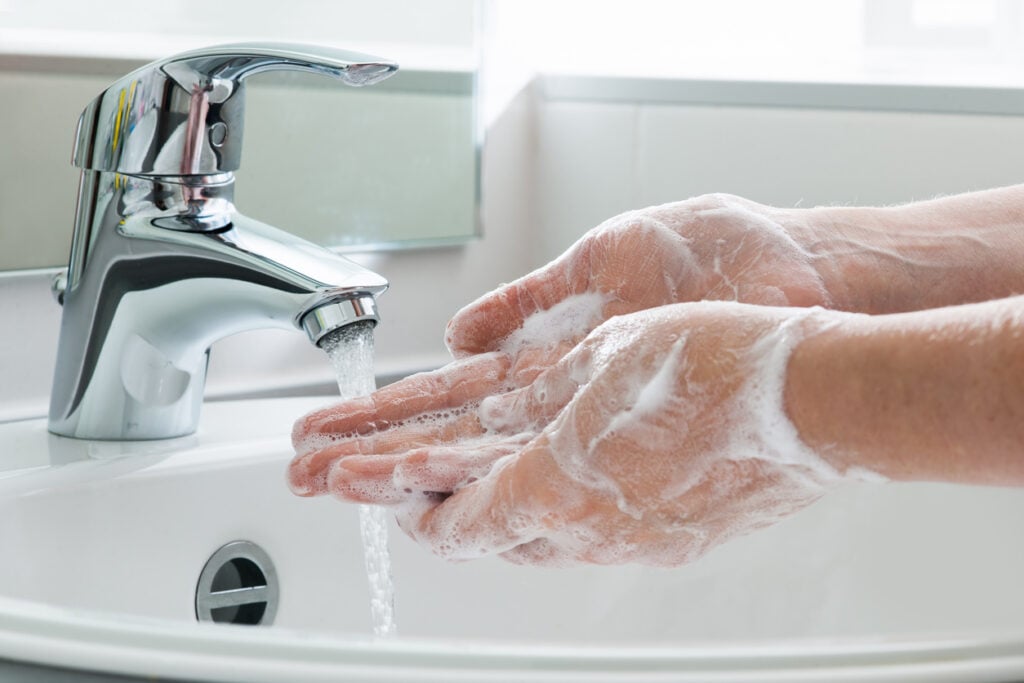
A UK week run by The Hygiene Bank charity to raise awareness of hygiene poverty and collect donations of basic hygiene items.
- Rule
- Set each year by the organiser
- Length
- 7 days
- Type
- Awareness campaign
- About
- Community and charity, Health
- Standing
- Run by an organiser
- Run by
- The Hygiene Bank
- Observed in
- UK
- Search rank among awareness campaigns
- UK: 494th of 618 · US: 406th of 618
- Official website
- thehygienebank.com
- Hashtag
- #NationalHygieneWeek
Download the 2027 template Get the data Every date on this site as an editable calendar, or as an API and data feed.
How big it is
- US64%
- UK27%
Dates by year
| 2026 | Monday 5 October to Sunday 11 October 2026 |
|---|
About National Hygiene Week
National Hygiene Week 2026 takes place from Monday 5 October to Sunday 11 October 2026. The week is run by The Hygiene Bank charity to raise awareness of hygiene poverty in the UK, the experience of being unable to afford or access basic hygiene items like soap, shampoo, toothpaste, and period products. Fundraising and donation drives during the week directly supply The Hygiene Bank’s network of distribution partners.
What is National Hygiene Week?
National Hygiene Week is a UK awareness and fundraising week led by The Hygiene Bank, a charity founded in 2018 to address hygiene poverty. It is supported by businesses, schools, retailers, and individual fundraisers, with proceeds and product donations channelled through The Hygiene Bank’s distribution partners, which include food banks, refuges, and community projects.
When is National Hygiene Week?
National Hygiene Week 2026 runs from Monday 5 October to Sunday 11 October 2026. The week is held annually in October, with the exact dates confirmed by The Hygiene Bank each year.
How to Get Involved in National Hygiene Week
The Hygiene Bank provides free fundraising packs, posters, and social graphics. Try one or several of the following:
- Donate hygiene essentials – Buy unopened, in-date toiletries and drop them at a Hygiene Bank collection point. Items always in demand include shampoo, conditioner, soap, deodorant, period products, toothpaste, toothbrushes, and razors.
- Run a workplace collection – Set up a donation point in the office, factory, or store. The Hygiene Bank’s website lists local distribution partners that will collect or receive donations.
- Fundraise as a team – Cake sales, sponsored runs, and dress-up days all raise meaningful money. Use a JustGiving page linked to The Hygiene Bank.
- Support period dignity – Period poverty is one of the most acute forms of hygiene poverty. Donate menstrual products to local schools, refuges, or charities.
- Contact your MP – Hygiene poverty is a political issue. Use The Hygiene Bank’s templates to write to your MP about VAT on hygiene products, school provision, and benefits adequacy.
- Set up a swap shop – Encourage colleagues to bring unused hygiene items they bought but did not get on with. Donate the surplus to The Hygiene Bank.
- Volunteer at a project – The Hygiene Bank has more than 50 local projects across the UK. Many welcome regular volunteers who help sort and pack donations.
- Spread the word – Share the campaign on LinkedIn, Instagram, and Facebook using #NationalHygieneWeek. Open conversations about hygiene poverty break the silence around it.
History of National Hygiene Week
The Hygiene Bank was founded in 2018 by Lizzy Hall, who had been moved by reading Stephanie Land’s book Maid and wanted to do something practical to address hygiene poverty in her own community. From a modest collection point in West Sussex, the charity has grown into a UK-wide network with distribution partners in more than 350 community projects.
National Hygiene Week was launched as the charity’s flagship awareness moment, designed to drive both donations and conversation. The first official week brought together volunteer-run collection points, business partners such as Boots, the Co-op, and Cleanology, and high-profile supporters including journalist Sali Hughes, who has campaigned alongside Beauty Banks on the same issue.
The campaign has been mentioned in Early Day Motions in the UK Parliament and has been endorsed by Public Health Wales, which runs its own complementary National Hygiene Week activities. Each year the campaign theme highlights a specific aspect of hygiene poverty, from period dignity to the experiences of older people and unpaid carers.
Noteworthy Facts About National Hygiene Week
- National Hygiene Week was founded in 2018 by The Hygiene Bank, a charity established by Lizzy Hall in West Sussex.
- The Hygiene Bank now operates more than 350 distribution projects across the UK, working with food banks, refuges, schools, and community groups.
- The week has been raised in the UK Parliament through Early Day Motions and is supported by Public Health Wales.
What is National Hygiene Week?
National Hygiene Week is a UK awareness and fundraising week run by The Hygiene Bank charity to highlight hygiene poverty and collect essential products for people who cannot afford them.
When is National Hygiene Week in 2026?
National Hygiene Week 2026 runs from Monday 5 October to Sunday 11 October 2026.
What can I donate during National Hygiene Week?
Donate unopened, in-date toiletries such as shampoo, conditioner, soap, deodorant, toothpaste, toothbrushes, razors, and period products. The Hygiene Bank’s website lists drop-off points and current priority items.
Related Awareness Days
- World Kindness Day – The November day promoting acts of kindness, including community giving and donation.
- The Big Lunch – A community-building UK weekend that often supports local food and hygiene drives.
- World Wellbeing Week – The wider June wellbeing week covering physical, mental, and social health.
Links
From the Almanac
Record 75482. Guide last edited 23 October 2026. Spotted a wrong date? Tell us and we will check it with the organiser.
Get this record as data