
National Newt Day 2027
Saturday 24 April 2027
National Newt Day is a UK awareness day held on 24 April each year, started by Environmental Science academics at Bath Spa University to draw attention to the decline of the great crested newt and the habitats that newts need.
Official source Bath Spa University (bathspa.ac.uk)
On this page
Dates and event details
National Newt Day 2027 is on Saturday 24 April 2027. It falls on 24 April every year.
| Year | Date |
|---|---|
| 2027 | Saturday 24 April 2027 |
| 2028 | Monday 24 April 2028 |
| 2029 | Tuesday 24 April 2029 |
| Where | UK, international, US and Australia |
|---|
What is National Newt Day?
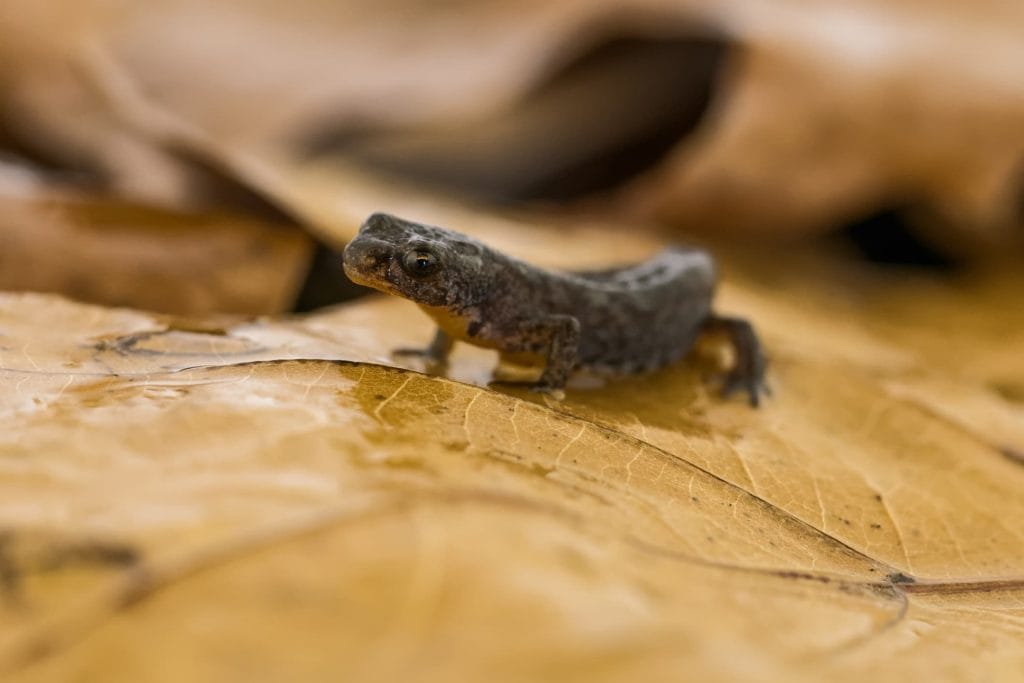
National Newt Day is a UK awareness day held on 24 April each year, started by Environmental Science academics at Bath Spa University to draw attention to the decline of the great crested newt and the habitats that newts need. The university describes the great crested newt as Britain’s most strictly protected amphibian and says its numbers have fallen sharply in recent years, mainly through habitat destruction, the loss of ponds and pollution.
The day is rooted in the university’s Newton Park campus near Bath, which is home to all three newt species native to the UK: the great crested newt, the smooth newt and the palmate newt.
How to take part in National Newt Day
There is no sign-up or fundraising target. The day is about learning what newts need and avoiding harm. Bath Spa University’s published tips for gardeners and landowners include:
- Add a pond if there is room, because amphibians need water to breed. A small water feature or boggy area can still help where space is tight.
- Do not stock the pond with fish, which eat spawn.
- Keep the pond on the wild side instead of heavily manicured, and add steps or a slope so newts can climb out.
- Grow plants such as water mint and water forget-me-not, whose leaves newts use for wrapping their eggs.
- Plant borders and leave corridors of vegetation so newts can move between ponds under cover.
Anyone who finds a great crested newt should leave it where it is. The university’s advice is to do nothing: handling one without a licence is against the law, and moving newts or their eggs between ponds can spread disease and invasive plants. Schools, wildlife groups and universities can use 24 April to run pond surveys with a licensed ecologist, share identification guides or plan habitat work for the year ahead.
Key facts about great crested newts
- Great crested newts have warty skin and a bright orange belly. In spring the male has a jagged crest along his back and a white flash along his tail.
- Each newt has its own pattern of black spots, which the university compares to a fingerprint.
- They spend most of the year on land, in woodland, hedgerows, marshes and grassland, and move to ponds in spring to breed.
- Females lay their eggs one at a time and wrap each one in a leaf.
- The species is protected under UK and European wildlife legislation. It is illegal to capture, disturb or handle a great crested newt without a licence.
History of National Newt Day
Bath Spa University held the first National Newt Day on 24 April 2024, describing it as the world’s first. It grew out of conservation work already under way at Newton Park, where students and staff clear ponds and manage vegetation to create the open water that male great crested newts use for their courtship displays.
The campus is used as a living lab. The university runs an annual BioBlitz, in which students and staff try to identify as many species as possible in a single day, and each spring its licensed consultant ecologist carries out a newt survey. Grounds Manager Penny Snowden has said the populations in all the campus ponds are monitored annually and that the numbers indicate they are doing well.
Sources
A full year of awareness dates, ready to edit or print.
Get the full 2027 awareness days calendar£19.99. No automatic renewal.