

Summer Solstice 2027
Monday 21 June 2027 · dates set by the organiser each year
The summer solstice is the moment when the sun reaches its highest point in the sky at noon and the northern hemisphere enjoys its longest day and shortest night.
Also on 21 June: National Dachshund Day · World Music Day
What is the Summer Solstice?
Summer Solstice 2027 is Monday 21 June 2027. The solstice is an astronomical event that falls on 20 or 21 June in the northern hemisphere, when the Earth’s axis is tilted most towards the sun and the day is longest. The exact moment in 2027 is 14.11 UTC on 21 June, as calculated by observatories such as the Royal Observatory Greenwich.
| Year | Date |
|---|---|
| 2026 | Sunday 21 June 2026 |
| 2027 | Monday 21 June 2027 |
| 2028 | Tuesday 20 June 2028 |
The summer solstice is the moment when the sun reaches its highest point in the sky at noon and the northern hemisphere enjoys its longest day and shortest night. It occurs when the north pole is tilted most directly towards the sun, at 23.4 degrees, and marks the astronomical start of summer. In London the sun is above the horizon for about 16 hours and 38 minutes; in Shetland it barely sets. The Royal Observatory Greenwich explains the astronomy and publishes the exact time each year.
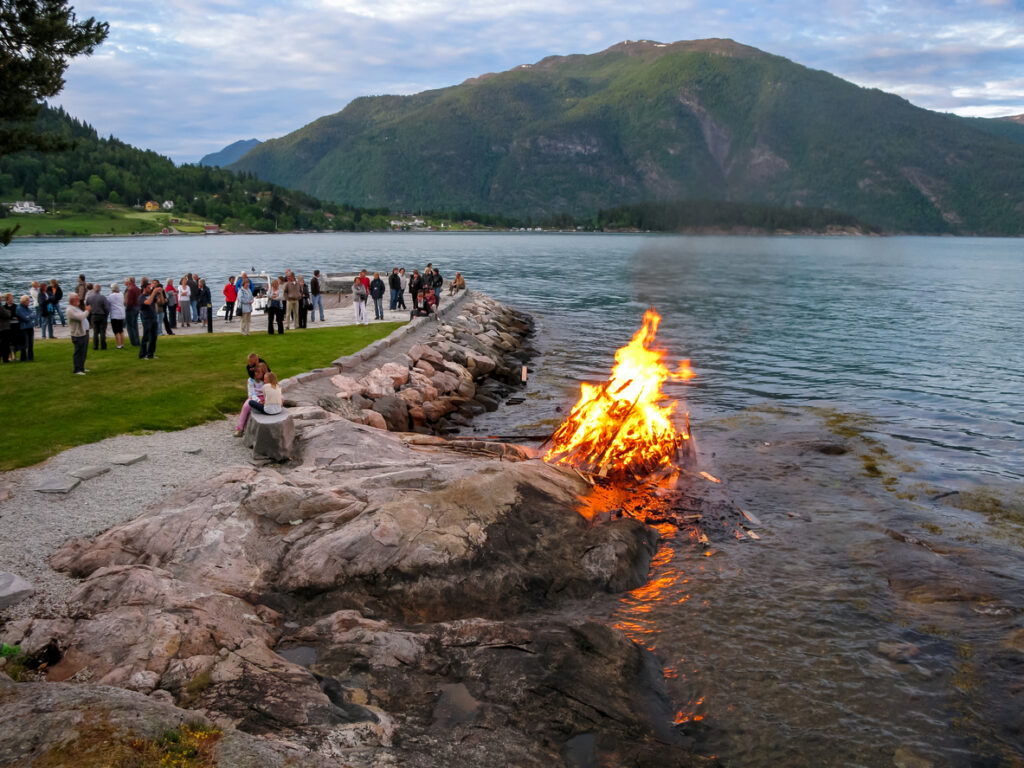
The solstice has been marked for thousands of years. Stonehenge is aligned so that on the solstice the sun rises over the Heel Stone, and English Heritage opens the monument for a managed sunrise gathering that attracts more than 10,000 people. Midsummer festivals in Sweden, Finland and the Baltic states, bonfires in Cornwall and Ireland, and Inti Raymi in Peru all trace their roots to solstice celebrations. In the southern hemisphere the same date is the winter solstice.
Why it matters for marketers and organisations
The solstice is a natural hook for outdoor, garden, travel, wellness and food and drink brands, and it sits at the peak of the summer events calendar alongside Glastonbury and Wimbledon. Councils, heritage sites and tourism boards plan sunrise events; yoga studios run outdoor classes; and garden centres and grocers promote midsummer entertaining. Employers use the day for summer social events and to promote flexible working during the light evenings. The angle is light, warmth and being outside, which suits both product promotion and wellbeing messaging.
Plan around Summer Solstice and every key date in June
The Awareness Days Toolkit puts every awareness day for 2026 and 2027 in a spreadsheet, printable PDF calendars and an iCal feed that keeps itself up to date.
Ideas: how to mark the Summer Solstice
- Host a sunrise walk, swim or yoga session for staff or customers on the morning of the solstice.
- Run a longest day sale or promotion that ends at sunset.
- Organise a midsummer picnic or barbecue for the team in the evening.
- Publish a guide to solstice events near your audience, from Stonehenge to local hill sunrises.
- Share sunrise and sunset times for your area with a photography challenge.
- Partner with a garden or park on a guided nature walk.
- Offer a Scandinavian midsummer menu with herring, new potatoes and strawberries.
- Time a summer wellbeing campaign to the week of the solstice.
Key facts
- The summer solstice falls between 20 and 22 June in the northern hemisphere.
- London has about 16 hours 38 minutes of daylight on the solstice, compared with 7 hours 50 minutes at the winter solstice.
- Stonehenge was built in stages between about 3000 and 1500 BC and is aligned to the solstice sunrise.
- Sweden’s Midsummer is celebrated on the Saturday between 20 and 26 June and is one of its biggest holidays.
- The word solstice comes from the Latin sol, sun, and sistere, to stand still, because the sun’s noon height stops changing for a few days.
- The solstice is not usually the hottest day, because seas and land keep warming for weeks afterwards.
Frequently asked questions
When is the Summer Solstice 2028?
The summer solstice 2028 is Tuesday 20 June 2028 in the northern hemisphere. It falls on 20 June rather than 21 June because 2028 is a leap year, which shifts the astronomical moment slightly earlier.
Is the solstice the first day of summer or midsummer?
Both, depending on the definition. Astronomers call it the start of summer, meteorologists count summer from 1 June, and many European traditions treat it as midsummer, the middle of the season.
Can I visit Stonehenge for the solstice?
Yes. English Heritage offers managed open access to the stones from the evening of 20 June until after sunrise on 21 June. Entry is free but arrival, parking and behaviour conditions apply, and details are published on the English Heritage website each spring.
What is Summer Solstice 2027?
The summer solstice is the moment when the sun reaches its highest point in the sky at noon and the northern hemisphere enjoys its longest day and shortest night.
More awareness days in June
See all → 21 Jun21 JunMondayArts & CultureInternationalWorld Music Day
 22 Jun22 JunTuesdayGlobal & NationalInternationalWindrush Day 2027
 28 Jun – 11 JulWeek28 Jun to 11 JulWeekSeasonalInternationalWimbledon 2027
 1–30 JunMonth1 Jun to 30 JunMonthCommunityInternationalPride Month 2027
 1–7 JunWeek1 Jun to 7 JunWeekCommunityInternationalVolunteers Week 2027
 5 Jun5 JunSaturdayEnvironmentInternationalWorld Environment Day 2027
 14–20 JunWeek14 Jun to 20 JunWeekHealth & WellbeingInternationalMen’s Health Week 2027
 14–20 JunWeek14 Jun to 20 JunWeekFood & NutritionUKNational Picnic Week