

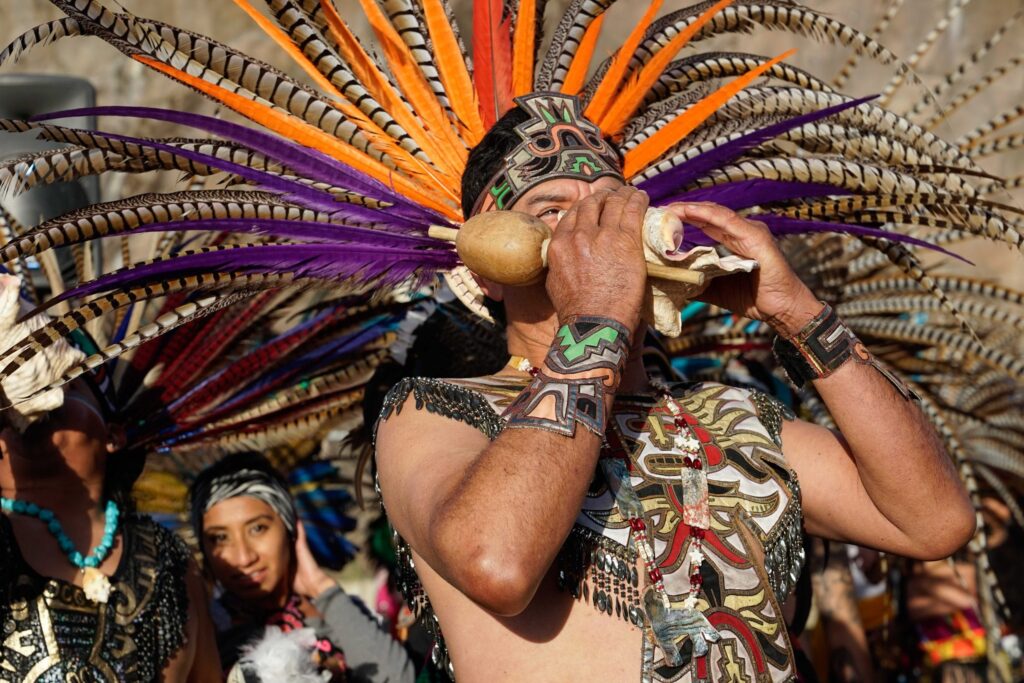
Unthanksgiving Day / National Day of Mourning 2026
Thursday 26 November 2026 · the fourth Thursday of November each year
It is a time to acknowledge the history of colonization and its impact on Native communities.
Also on 26 November: Thanksgiving · National Day of Mourning · Coton de Tulear Day
What is Unthanksgiving Day / National Day of Mourning?
Unthanksgiving Day / National Day of Mourning 2026 is on Thursday 26 November 2026.
Unthanksgiving Day, also known as the National Day of Mourning, is an observance that takes place on the same day as Thanksgiving in the United States but serves as a day of reflection, remembrance, and solidarity with Indigenous peoples. It is a time to acknowledge the history of colonization and its impact on Native communities.
Unthanksgiving Day, or the National Day of Mourning, is an annual event that provides an alternative perspective to the traditional Thanksgiving celebration. It serves as a platform to raise awareness about the mistreatment, displacement, and injustices faced by Indigenous communities throughout history.
When is Unthanksgiving Day / National Day of Mourning 2026?
Unthanksgiving Day is observed on the same day as Thanksgiving, which falls on November 23rd, 2026, in the United States. While Thanksgiving is a time for many to come together and give thanks, Unthanksgiving Day encourages reflection on the harsh realities faced by Native Americans.
Plan around Unthanksgiving Day / National Day of Mourning and every key date in November
The Awareness Days Toolkit puts every awareness day for 2026 and 2027 in a spreadsheet, printable PDF calendars and an iCal feed that keeps itself up to date.
How to Observe Unthanksgiving Day / National Day of Mourning 2026?
Observing Unthanksgiving Day / National Day of Mourning involves acknowledging the history and ongoing struggles of Indigenous peoples. Here are some ways to participate:
- Attend Gatherings: Join gatherings, events, or ceremonies organized by Indigenous communities to honor their heritage and share their stories.
- Learn and Educate: Take the time to learn about the history of Indigenous peoples, their contributions, and the challenges they face today. Share this knowledge with others.
- Show Solidarity: Express your support and solidarity with Indigenous communities by participating in rallies, marches, or peaceful protests.
- Respect Native Land: Acknowledge and respect the land you occupy, recognizing that it may be the ancestral territory of Indigenous peoples.
- Support Indigenous Causes: Contribute to Indigenous-led organizations, initiatives, and charities working to address the unique challenges faced by Native communities.
- Reflect on History: Take a moment to reflect on the historical context of colonization and its impact on Indigenous cultures and communities.
History of Unthanksgiving Day / National Day of Mourning
The National Day of Mourning traces its roots back to 1970 when Native American activists in Plymouth, Massachusetts, led by Wampanoag leader Frank James, organized a protest on Thanksgiving Day. They sought to counter the romanticized version of history often associated with the holiday and instead shed light on the injustices and oppression endured by Indigenous peoples.
Today, Unthanksgiving Day / National Day of Mourning serves as a reminder of the ongoing struggles and resilience of Native communities in the face of historical trauma.
Hashtags
Frequently asked questions
When is Unthanksgiving Day / National Day of Mourning 2026?
Unthanksgiving Day / National Day of Mourning 2026 is on 26 November 2026. It is held the fourth Thursday of November each year.
What is Unthanksgiving Day / National Day of Mourning 2026?
It is a time to acknowledge the history of colonization and its impact on Native communities.
More awareness days in November
See all → 26 Nov26 NovThursdayArts & CultureInternationalThanksgiving 2026
 27 Nov27 NovFridaySeasonalUK, US, Australia and worldwideBlack Friday
 28 Nov28 NovSaturdayBusiness & FinanceInternationalSmall Business Saturday
 30 Nov30 NovMondayBusiness & FinanceInternationalCyber Monday 2026
 1–30 NovMonth1 Nov to 30 NovMonthHealth & WellbeingUK, US, Australia and worldwideMovember 2026 – Men’s Health Awareness Month
 5 Nov5 NovThursdaySeasonalUKBonfire Night (Guy Fawkes Night)
 8 Nov8 NovSundayReligious & FaithInternationalDiwali
 8 Nov8 NovSundayGlobal & NationalUKRemembrance Sunday 2026