
World African Wild Dog Day 2027
Thursday 26 August 2027
World African Wild Dog Day is an annual awareness day focused on the African wild dog, a highly social pack-hunting carnivore native to sub-Saharan Africa.
Add this date to my calendarA full year of awareness dates, ready to edit, print or sync.
Get the full 2027 awareness days calendar£49.99 a year. Renews annually.
On this page
Dates and event details
World African Wild Dog Day 2026 was on Wednesday 26 August 2026. The next World African Wild Dog Day is on Thursday 26 August 2027.
| Where | International |
|---|
What is World African Wild Dog Day?
World African Wild Dog Day is an annual awareness day focused on the African wild dog, a highly social pack-hunting carnivore native to sub-Saharan Africa. The day is observed by zoos, wildlife charities, safari operators and conservation researchers who use it to highlight the animal’s precarious status and the threats it faces. The African wild dog is classified as Endangered on the IUCN Red List, and the observance aims to build public support for the field projects, anti-snare patrols and disease-prevention programmes that are helping packs survive. It is recognised internationally rather than tied to a single founding body.
World African Wild Dog Day takes place on Thursday 26 August 2027. Also known as World Painted Dog Day, the observance is dedicated to raising awareness of the African wild dog (Lycaon pictus), one of the most endangered carnivores on the African continent, and to supporting the conservation organisations working to protect the species from extinction.
When is World African Wild Dog Day?
World African Wild Dog Day falls on 26 August every year. In 2026 this is a Wednesday. The date is fixed, so it does not move from year to year, which makes it easy for schools, sanctuaries and conservation groups to plan campaigns and fundraising events around it.
How to Get Involved in World African Wild Dog Day
There are many ways to mark the day, whether you are an individual, a teacher or an organisation:
- Donate to a conservation charity – Support organisations such as the Painted Dog Conservation programme or the African Wildlife Foundation, whose funds pay for anti-snare patrols, tracking collars and community outreach.
- Symbolically adopt a wild dog – Many wildlife charities offer adoption packs that fund the monitoring of a specific pack, making a memorable gift while supporting fieldwork.
- Learn and share the facts – Read up on the species and share what you discover, since many people have never heard of the painted dog despite its remarkable behaviour.
- Visit a participating zoo or sanctuary – Several zoos run keeper talks and special events on the day to explain breeding programmes and conservation partnerships.
- Vaccinate domestic dogs – If you live near wild dog range, vaccinating pet dogs against rabies and distemper directly reduces the disease risk to wild packs.
- Fundraise in your community – Host a quiz, bake sale or sponsored walk and donate the proceeds to a painted dog project.
- Champion responsible tourism – Choose safari operators that fund local conservation, as well-managed tourism gives wild dogs an economic value that helps protect their habitat.
- Get children involved – Use the day as a classroom topic on endangered species, pack behaviour and the importance of biodiversity.
Why World African Wild Dog Day Matters
The African wild dog is one of Africa’s rarest large carnivores. Fewer than 7,000 individuals are thought to remain in the wild, with only around 1,500 of those being mature adults, and the species now survives in just a fraction of its former range. Roughly 700 packs are scattered across the continent, many of them in small, isolated populations that are vulnerable to local extinction. The main threats are habitat fragmentation, retaliatory killing by farmers who blame the dogs for livestock losses, illegal snares set for bushmeat, and infectious diseases such as rabies and canine distemper passed on by domestic dogs. A single outbreak can wipe out an entire pack. By drawing attention to these pressures, the day helps channel funding and volunteers towards the people working to reverse the decline.
Noteworthy Facts About World African Wild Dog Day
- African wild dogs are among the most efficient hunters of all large carnivores, with around 80% of their hunts ending successfully, compared with roughly one in four for lions.
- Packs are intensely cooperative, sharing food, caring for injured or sick members and showing little of the aggressive hierarchy seen in other social carnivores.
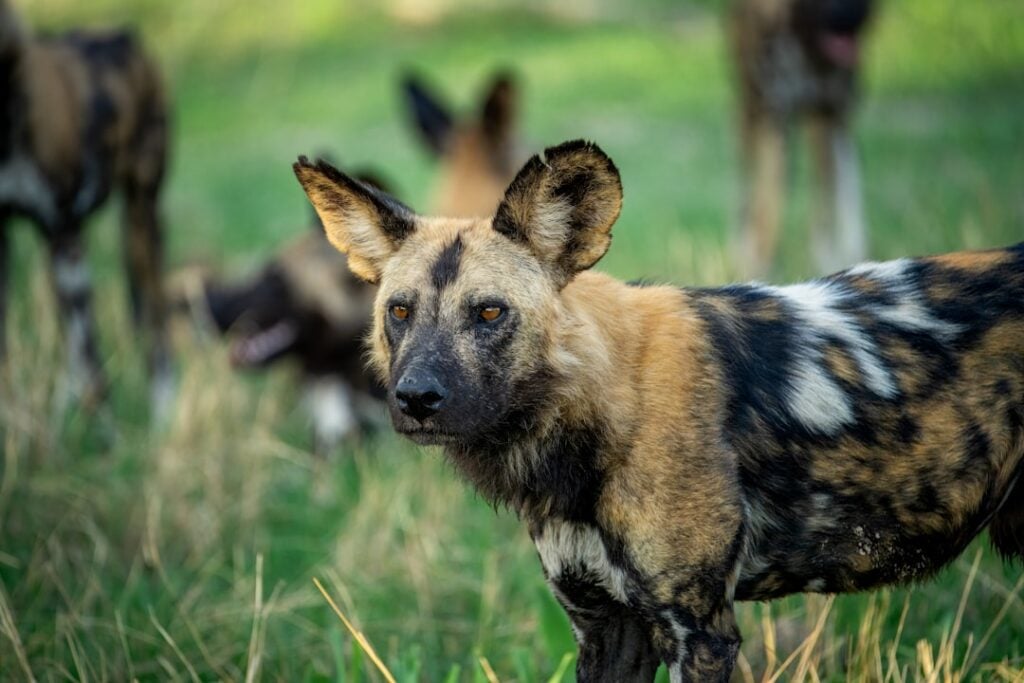
- Each dog’s coat pattern is unique, which is why researchers can identify individuals from photographs much as they would from a fingerprint.
- Unlike domestic dogs, African wild dogs have only four toes on each foot rather than five.
- They can reach speeds of up to around 70 kilometres per hour when pursuing prey across open ground.
Links
History of World African Wild Dog Day
The African wild dog has been studied by ecologists for decades, but it long lacked the public profile of more famous African predators such as lions and leopards. As populations continued to fall through the late twentieth and early twenty-first centuries, conservation groups recognised that a dedicated awareness day could help give the species the attention it needed to attract funding and volunteers.
The day became established on 26 August and is now marked each year by wildlife organisations, zoos and safari operators across the world. It has grown alongside the wider “painted dog” branding, a name conservationists adopted to move away from the negative associations of the word “dog” and to celebrate the animal’s distinctive mottled coat of black, brown, yellow and white, which is unique to each individual.
Today the observance forms part of a broader calendar of species-specific awareness days that conservationists use to keep endangered animals in the public eye. The painted dog’s place on that calendar reflects how far it has come from being one of Africa’s most overlooked predators.
Hashtags
Help raise awareness by sharing World African Wild Dog Day with your friends, family and followers. Use the hashtags #WorldAfricanWildDogDay and #WorldAfricanWildDogDay2027 on social media. The more people who know about the painted dog, the bigger the impact for one of Africa’s most threatened predators.
Frequently asked questions
What is World African Wild Dog Day?
It is an annual awareness day, also called World Painted Dog Day, dedicated to the endangered African wild dog. It highlights the threats the species faces and supports the conservation work that helps packs survive.
When is World African Wild Dog Day in 2027?
It takes place on Thursday 26 August 2027. The date is fixed and falls on 26 August every year.
Why is the African wild dog called a painted dog?
The name refers to the animal’s mottled coat of black, brown, yellow and white, which is unique to each individual. Conservationists favour “painted dog” because it celebrates the species and avoids confusion with domestic dogs.