World Cleanup Day 2027
Monday 20 September 2027
Dates can vary from year to year, so check the organiser’s website for the latest details.
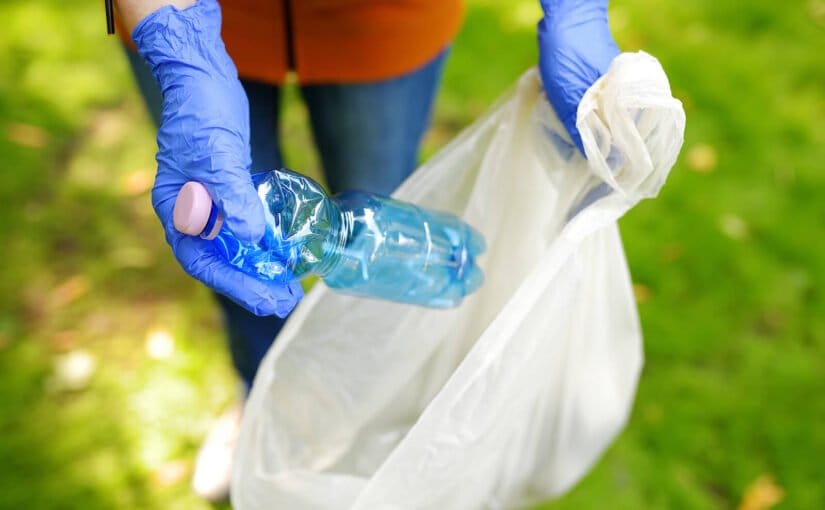
World Cleanup Day on 20 September recognises cleanup efforts and encourages more sustainable management of waste and resources.
Add this date to my calendarA full year of awareness dates, ready to edit, print or sync.
Get the full 2027 school calendar£49.99 a year. Renews annually.
On this page
Dates and event details
World Cleanup Day 2026 was on Sunday 20 September 2026. The next World Cleanup Day is on Monday 20 September 2027.
| Date status | Date calculated from a fixed annual pattern |
|---|---|
| Date-check source | United Nations / relevant agency |
| Where | International |
What is the day about?
The day can connect visible action with questions about how waste is prevented and managed. A cleanup event is one possible activity; a school, workplace or community group can also examine the sources of waste in a setting it understands. Choose a specific goal rather than assuming that one collection event resolves a wider environmental problem.
World Cleanup Day takes place on 20 September 2027. This international observance recognises cleanup efforts and encourages more sustainable management of waste and resources. It gives schools, organisations and communities a focused opportunity for suitable learning and practical activity.
Date and official background
The annual date is 20 September. The 2027 occurrence follows the established fixed annual rule. No unannounced 2027 theme or programme is assumed. See the official source for information.
The General Assembly proclaimed 20 September as an annual World Cleanup Day through resolution A/RES/78/122, adopted on 8 December 2023. UN-Habitat facilitates the observance. The fixed UN date is the basis of this 2027 listing. Local activities and wider cleanup movements may use their own arrangements, which should be identified clearly.
Ideas for schools and community groups
The following are original editorial planning suggestions to adapt to your audience.
- Consult the responsible organisation. Before planning a practical cleanup, agree the location, permissions and disposal arrangements with the relevant landowner or local team.
- Explain participation clearly. State the meeting point, timings, access arrangements, supervision and the work participants will do. Offer a suitable alternative to practical collection where possible.
- Keep a simple record. Agree what will be measured and how. Label estimates as estimates and avoid presenting informal observations as a scientific assessment.
- Ask about prevention. After identifying a recurring waste issue, discuss which organisation could help investigate its source and what information would be useful.
Planning and participation
A workplace can review one stream of waste through its existing facilities or procurement arrangements. A school might use a source-based lesson on how a local collection system works. Both can identify a small practical improvement while keeping responsibility for technical decisions with the relevant team.
Use the appropriate local procedures for practical activities and make the limits clear. Do not encourage volunteers to handle unknown substances, sharp objects or potentially hazardous material without suitable arrangements. A group can contribute by reporting an issue or improving information instead of attempting to remove everything it finds.
Official information
The date rule and factual background were checked against official UN-system information on 23 October 2026. Check new announcements before using edition-specific themes or registration details. Practical activities here are editorial suggestions.
Frequently asked questions
When is World Cleanup Day 2027?
What is World Cleanup Day 2027?
More awareness days in September
See all → 24 Sep24 SepFridayCancerUKMacmillan Coffee Morning 2027
 27 Sep27 SepMondaySeptember Awareness DaysUK, US, Australia and worldwideWorld Tourism Day 2027
 5 Sep5 SepSundaySeptember Awareness DaysUK, US, Australia and worldwideInternational Day of Charity 2026
 6 Sep6 SepMondayArts & CultureInternationalLabor Day 2027