World Tuna Day 2027
Sunday 2 May 2027
Dates can vary from year to year, so check the organiser’s website for the latest details.
World Tuna Day on 2 May focuses on tuna, sustainable fisheries and the communities whose food security and livelihoods depend on marine resources. It is a conservation and development observance, rather than simply a reason to promote a fish dish.
Add this date to my calendarA full year of awareness dates, ready to edit, print or sync.
Get the full 2027 awareness days calendar£49.99 a year. Renews annually.
On this page
Dates and event details
World Tuna Day 2027 takes place on 2 May 2027. World Tuna Day on 2 May focuses on tuna, sustainable fisheries and the communities whose food security and livelihoods depend on marine resources. It is a conservation and development observance, rather than simply a reason to promote a fish dish.
| Date status | Date calculated from a fixed annual pattern |
|---|---|
| Date-check source | United Nations or designated agency |
| Where | International |
What is World Tuna Day?
The UN General Assembly designated 2 May as World Tuna Day in 2016, and the first UN observance followed in 2017. Its resolution calls for awareness of tuna’s value, threats to populations and the benefits of sustainably managed stocks.
Tuna connects marine ecosystems with fishing communities, trade and everyday food choices. Different species, stocks and fishing methods should not be treated as interchangeable. A useful activity examines what the available evidence says rather than declaring all tuna either sustainable or unsustainable from one label or photograph.
Date and common questions
World Tuna Day is observed annually on 2 May. The 2027 occurrence follows that fixed UN date. No 2027 theme or particular fishery assessment is assumed from earlier campaigns.
Is every tuna product the same from a sustainability perspective?
No. Species, stock, location and fishing methods can differ. Use current, specific evidence and appropriate specialist sources rather than making a blanket claim about every product.
Does taking part require eating tuna?
No. A learning activity can focus on marine conservation, livelihoods, evidence or supply chains without serving food. That also makes it easier to include participants with different dietary choices and requirements.
Why it matters
The topic offers a practical route into learning about oceans and supply chains. People can ask where information comes from, what it describes and whose work is involved. Schools and organisations should avoid turning a complex fisheries issue into a blame exercise aimed at individual families or communities.
Practical ways to take part
- Follow a supply chain. Choose a clearly identified tuna product or published fisheries case study and map the stages from capture to sale. Record what is known and what is not. Do not fill gaps with assumptions about a country, vessel or worker.
- Read a label closely. Compare the information provided about species, origin, method and certification on available products. Identify questions that remain unanswered. Explain that a label is a starting point for research, not a complete independent assessment of a fishery.
- Explore migration and management. Use reliable maps and species information to discuss why a fish that crosses boundaries may need international cooperation. Keep the example specific, and distinguish a species’ broad range from the condition of an individual managed stock.
- Hear community perspectives. Read a sourced account of people working in a fishing or processing community. Discuss livelihoods, skills and the decisions affecting them. Avoid presenting communities only as a problem or using a personal story to make claims about every fishery.
- Investigate an evidence claim. Take a statement about a tuna population and identify the species, location, assessment year and source. Ask whether the statement is current and what measure it uses. This builds critical reading without requiring participants to become stock-assessment experts.
Plan a useful activity
A school or workplace catering group could create a brief information sheet describing the questions it asks suppliers about seafood. Keep the questions specific and record the evidence supplied. Where specialist advice is needed, seek it rather than announcing an unsupported purchasing standard. Revisit the information at an agreed interval because assessments, products and supply arrangements can change. Explain what remains uncertain alongside any decision the group makes.
Official information
Use the official World Tuna Day information for background and organiser resources. The annual date does not confirm a particular local event, booking arrangement or future campaign theme. Check those details with the relevant organiser.
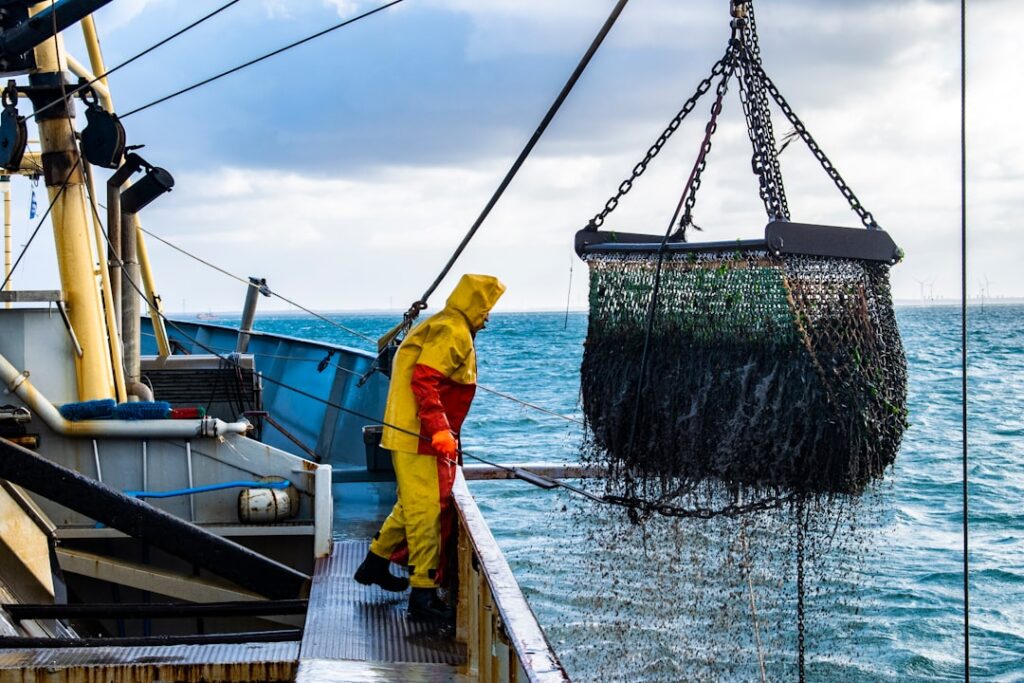
Featured image: Photo by Paul Einerhand on Unsplash