American Indian Citizenship Day
June 2, 2027

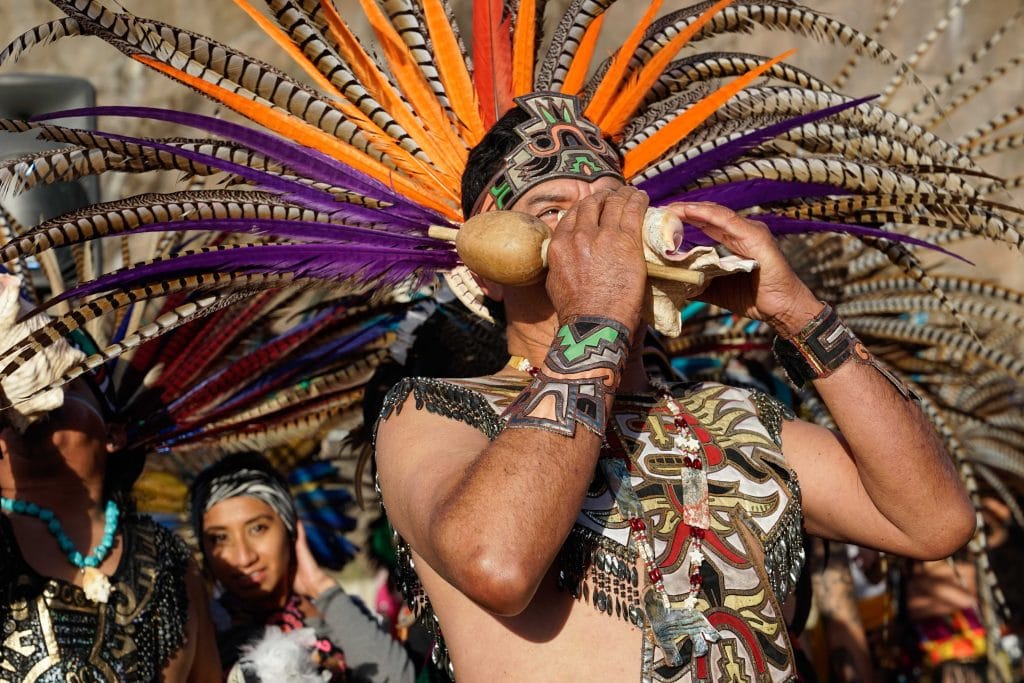
About American Indian Citizenship Day
American Indian Citizenship Day is observed on 2 June in the United States, marking the anniversary of the Indian Citizenship Act of 1924. On that date, President Calvin Coolidge signed the act into law, granting United States citizenship to all Native Americans born within the territorial limits of the country. The day invites Americans to reflect on this landmark piece of legislation, its context, its limitations, and the ongoing journey towards full political equality for Native peoples.
When is American Indian Citizenship Day?
American Indian Citizenship Day falls on 2 June each year, the anniversary of the signing of the Indian Citizenship Act in 1924. In 2027, this falls on a Wednesday.
The Indian Citizenship Act of 1924
The Indian Citizenship Act, also known as the Snyder Act after its sponsor, Representative Homer P. Snyder of New York, was signed into law by President Calvin Coolidge on 2 June 1924. Its key provision was straightforward: all American Indians born within the territorial limits of the United States were declared citizens of the United States.
Before this legislation, Native Americans occupied a complex and inconsistent legal status. Some had acquired citizenship through individual treaties, through the Dawes Act of 1887 (which tied citizenship to the allotment of tribal land and the abandonment of tribal life), through service in the military, or through marriage. But large numbers of Native Americans had no formal citizenship status at all, leaving them outside the political and legal framework of the country in whose territory they had lived for thousands of years.
At the time the act was passed, approximately 125,000 out of an estimated population of 300,000 American Indians had not yet acquired citizenship through any other route. These were the people the Snyder Act was designed to reach.
The Context: Native Service in World War One
One of the most powerful arguments in favour of extending citizenship came from the service record of Native Americans in the First World War. Despite lacking formal citizenship, approximately 12,000 Native Americans served in the United States military during the war, many enlisting voluntarily. Their courage and dedication made the inconsistency of their legal status impossible to ignore. Granting citizenship to people who had fought and died in defence of the country they could not formally call their own became both a moral imperative and a political pressure point.
The Limitations of the Act
While the Indian Citizenship Act was a significant step, it did not resolve all barriers to Native American political participation. The act explicitly stated that the granting of citizenship would not affect the property rights of Native Americans or their relationship to tribal property. Tribal affiliations and rights were preserved.
However, citizenship on paper did not guarantee the ability to vote in practice. Several states continued to disenfranchise Native American voters for decades after 1924. Arizona and New Mexico, states with large Native populations, refused to allow Native Americans to vote until 1948, citing provisions in their state constitutions that excluded people under guardianship. Similar barriers existed in other states, and it was not until the Voting Rights Act of 1965 that many of the most entrenched obstacles to Native American voting were formally addressed.
The history of the Indian Citizenship Act is therefore a story of both progress and limitation: a meaningful recognition that took too long to arrive, and which still required decades of further struggle before its promise was fully extended to everyday political life.
Why American Indian Citizenship Day Matters
American Indian Citizenship Day serves as an important reminder of the gap between legal rights and lived experience, and of the long, unfinished work of building a truly inclusive democracy. Recognising this date encourages deeper engagement with Native American history, the contributions of Indigenous peoples to the United States, and the contemporary challenges facing Native communities.
It also provides an opportunity to recognise the resilience of Native peoples who have maintained their cultures, languages, and community ties in the face of enormous historical pressure, and to consider what genuine respect for tribal sovereignty and Indigenous rights requires today.
How to Get Involved
- Learn: Read about the history of Native American citizenship, tribal sovereignty, and the ongoing political issues affecting Native communities. The Native American Rights Fund and similar organisations provide accessible resources.
- Listen: Seek out podcasts, films, and books by Native American authors, historians, and artists. Understanding Native history through Indigenous voices is essential.
- Support: Donate to or engage with organisations working on Native American rights, land protection, voting rights, and cultural preservation.
- Acknowledge: Learn whose traditional land you live on and how that land’s history connects to the present.
- Share: Use social media to share what you have learned using #AmericanIndianCitizenshipDay.
Noteworthy Facts
- The Indian Citizenship Act was signed by President Calvin Coolidge on 2 June 1924.
- Approximately 12,000 Native Americans served in the United States military during the First World War, despite lacking citizenship.
- At the time of the act’s passage, around 125,000 of an estimated 300,000 American Indians lacked citizenship through any other route.
- Arizona and New Mexico refused to allow Native Americans to vote until 1948, despite the 1924 act.
- The Voting Rights Act of 1965 was pivotal in removing the most persistent barriers to Native American voting.
- The act preserved tribal affiliations and rights to tribal property, recognising that citizenship and Indigenous identity are not mutually exclusive.
Hashtags
#AmericanIndianCitizenshipDay #IndianCitizenshipAct #NativeAmericanHistory #JuneAwarenessDays







2026 Awareness Days Wall Planner
Every key awareness day at a glance. Perfect for offices, staff rooms, and team planning.
View Calendar →