

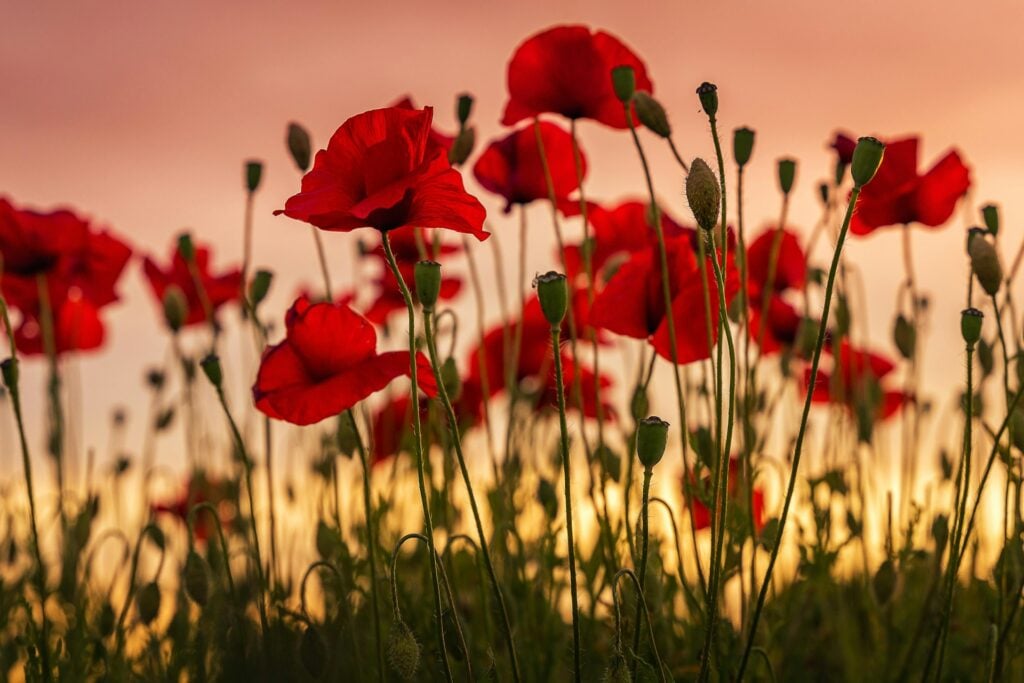
Armistice Day 2026
Wednesday 11 November 2026
Armistice Day is always 11 November — a fixed date, not a moveable observance.
Also on 11 November: Veterans Day · Singles’ Day · Veterans Day : Wednesday 11 November
Armistice Day Dates: 2026, 2027 and 2028
Armistice Day falls on Wednesday 11 November 2026. At exactly 11:00 am, the United Kingdom falls silent for two minutes to mark the moment the guns fell quiet at the end of the First World War. The date commemorates the signing of the Armistice on 11 November 1918, when fighting on the Western Front ceased after more than four years of conflict.
The day is co-ordinated nationally by the Royal British Legion, which organises the two-minute silence, runs the annual Poppy Appeal, and provides resources for schools, employers, and communities across the UK.
| Year | Date | Day |
|---|---|---|
| 2026 | 11 November | Wednesday |
| 2027 | 11 November | Thursday |
| 2028 | 11 November | Saturday |
Armistice Day is always 11 November — a fixed date, not a moveable observance. It is distinct from Remembrance Sunday, which falls on the second Sunday in November (8 November 2026; 14 November 2027; 12 November 2028).
The Two-Minute Silence
At 11:00 am on 11 November, the nation observes a two-minute silence. The timing reflects the precise moment the Armistice came into force: the eleventh hour of the eleventh day of the eleventh month. It ends at 11:02 am.
The silence takes place at war memorials, in workplaces, schools, shops, and on public transport. Traffic typically slows or stops. The Royal British Legion estimates that around four in five Britons observe the silence each year.
The principal national ceremony on 11 November is held at the National Memorial Arboretum (NMA) in Alrewas, Staffordshire. The Service of Remembrance at the Armed Forces Memorial begins at approximately 10:40 am; entry to the Arboretum is free, but tickets are required for the memorial area. In 2026 the ballot closes on 27 September, with applicants notified from 5 October. Overflow viewing is available on large screens in Heroes’ Square.
One important distinction: the National Service of Remembrance at the Cenotaph in Whitehall takes place on Remembrance Sunday (8 November 2026), not on Armistice Day. The two events are complementary but separate.
Plan around Armistice Day and every key date in November
The Awareness Days Toolkit puts every awareness day for 2026 and 2027 in a spreadsheet, printable PDF calendars and an iCal feed that keeps itself up to date.
Marking the Silence at Work
Observing the two-minute silence in the workplace requires little preparation. The Royal British Legion recommends that employers:
- Send a company-wide calendar invite for 11:00 am on 11 November, blocking surrounding meetings
- Display posters in the week beforehand to remind staff
- Brief team leaders to give advance verbal notice
- Identify a central gathering point, or allow staff to observe at their desks
Customer-facing businesses can pause tills, service counters, and non-urgent calls for two minutes. Many large retailers, banks, and transport operators observe the silence as a matter of course. A poppy tribute or a RBL poster displayed on the day is all that most workplaces need to mark the occasion meaningfully.
How Schools Mark Armistice Day
Most schools observe the silence at 11:00 am via a tannoy announcement. In the surrounding days, many organise:
- Assemblies and class discussions on the First World War and the meaning of the 1918 Armistice
- Wreath-laying at a school war memorial or beside a Royal British Legion “Time to Reflect” silhouette
- Creative work: poetry, artwork, research into local names on the parish or school memorial
The Royal British Legion provides free teaching resources for all key stages at its schools hub, including a free online assembly for ages 9 to 14 in 2026. The National Literacy Trust also publishes free assembly and classroom resources for Remembrance.
The 1918 Armistice: What Happened
The Armistice was signed at 5:00 am on 11 November 1918 in a railway carriage in the Forest of Compiegne, northern France. It came into effect six hours later, at 11:00 am Paris time. The agreement ended fighting between the Allied powers and Germany, the last Central Power still active on the Western Front. It was a ceasefire, not a peace treaty: the formal end to the war, the Treaty of Versailles, was not signed until 28 June 1919.
Fighting continued until the ceasefire took effect. An estimated 2,738 men were killed on 11 November 1918 alone, in the hours between the Armistice being signed and the guns finally falling silent. Total casualties on the last day of the war numbered around 10,944.
The two-minute silence was first observed in 1919 and has been held every year since.
The Poppy Appeal
The Royal British Legion’s Poppy Appeal runs from late October through to 11 November. In 2025, the appeal raised £56.6 million, distributing 32 million poppies through some 59,000 volunteers across the UK. The proceeds support more than two million veterans and their families in Britain.
The 2026 appeal launches on 22 October. London Poppy Day is 29 October, and the Festival of Remembrance takes place at the Royal Albert Hall on 7 November. Poppies are available from supermarkets, railway stations, high streets, and the RBL online shop.
The red poppy has been the symbol of Remembrance since 1921, inspired by John McCrae’s 1915 poem “In Flanders Fields.”
Armistice Day and Remembrance Sunday: The Difference
Armistice Day (11 November) marks the anniversary of the 1918 Armistice itself. The principal ceremony is at the National Memorial Arboretum in Staffordshire. There is no march past the Cenotaph on this date.
Remembrance Sunday (second Sunday in November) is the broader national day of remembrance for all those who have died in conflict since 1914. The National Service of Remembrance at the Cenotaph in Whitehall is attended by His Majesty The King, senior members of the Royal Family, and around 10,000 veterans who take part in the March Past.
In 2026, Remembrance Sunday falls on 8 November, three days before Armistice Day.
Related Awareness Days
For other dates of remembrance and national significance in November, see also:
- Remembrance Sunday 2026 — Sunday 8 November
- Veterans Day in the USA 2026 — Wednesday 11 November
- National Korean War Veterans Armistice Day — 27 July
Last reviewed: 25 August 2026.






Frequently asked questions
Is Armistice Day a bank holiday in the UK?
No. 11 November is not a public or bank holiday in the United Kingdom. Workplaces and schools observe the silence but do not close. It is a national holiday in France, Belgium, and several other countries.
What time is the two-minute silence?
The silence begins at exactly 11:00 am and lasts until 11:02 am. This reflects the time the ceasefire came into effect in 1918: the eleventh hour of the eleventh day of the eleventh month.
What is the difference between Armistice Day and Veterans Day?
In the United States, 11 November is Veterans Day, and in Canada it is Remembrance Day. Both evolved from the same 1918 Armistice commemoration. In the UK the day is called Armistice Day; “Veterans Day” is not used here.
Do you have to stand for the two-minute silence?
There is no legal obligation to stand. Standing is the established convention, but individuals who are unable to stand may observe the silence in whatever way is right for them. The act of reflection is what matters.
When is Armistice Day?
Armistice Day is on 11 November 2026.
More awareness days in November
See all → 11 Nov11 NovWednesdayArts & CultureInternationalVeterans Day
 11 Nov11 NovWednesdaySeasonalInternationalSingles’ Day 2026
 13 Nov13 NovFridayCommunityInternationalWorld Kindness Day
 13 Nov13 NovFridayCommunityUKBBC Children in Need 2026
 26 Nov26 NovThursdayArts & CultureInternationalThanksgiving 2026
 27 Nov27 NovFridaySeasonalUK, US, Australia and worldwideBlack Friday
 28 Nov28 NovSaturdayBusiness & FinanceInternationalSmall Business Saturday
 30 Nov30 NovMondayBusiness & FinanceInternationalCyber Monday 2026