
Disaster Day 2026
Tuesday 13 October 2026
Disaster Day is the popular shorthand for the International Day for Disaster Risk Reduction, an annual United Nations observance held every 13 October. It recognises how individuals, communities and governments around the world are working to reduce their exposure to disasters and to lessen the harm those events cause.
Add this date to my calendarA full year of awareness dates, ready to edit, print or sync.
Get the full 2027 awareness days calendar£49.99 a year. Renews annually.
On this page
Dates and event details
Tuesday 13 October 2026
| Where | International |
|---|
What is Disaster Day?
Disaster Day is the popular shorthand for the International Day for Disaster Risk Reduction, an annual United Nations observance held every 13 October. It recognises how individuals, communities and governments around the world are working to reduce their exposure to disasters and to lessen the harm those events cause. The day is coordinated by UNDRR and brings together policymakers, scientists, emergency planners and ordinary citizens to share knowledge about flooding, earthquakes, storms, drought, wildfires and other hazards. Rather than treating disasters as inevitable, the observance focuses on the choices that determine whether a hazard becomes a catastrophe.
Disaster Day, formally known as the International Day for Disaster Risk Reduction, takes place on Tuesday, 13 October 2026. Led by the United Nations Office for Disaster Risk Reduction (UNDRR), it is a global observance that promotes a culture of prevention, preparedness and resilience in the face of natural and human-made hazards.
When is Disaster Day?
Disaster Day falls on Tuesday, 13 October 2026. The date is fixed: the United Nations marks the International Day for Disaster Risk Reduction on 13 October every year, so it does not move from one year to the next. When the observance was first created it was held on the second Wednesday of October, but in 2009 the General Assembly settled on the fixed 13 October date that is used today.
How to Get Involved in Disaster Day
There are many practical ways to mark Disaster Day, whether you are an individual, a school or a large organisation.
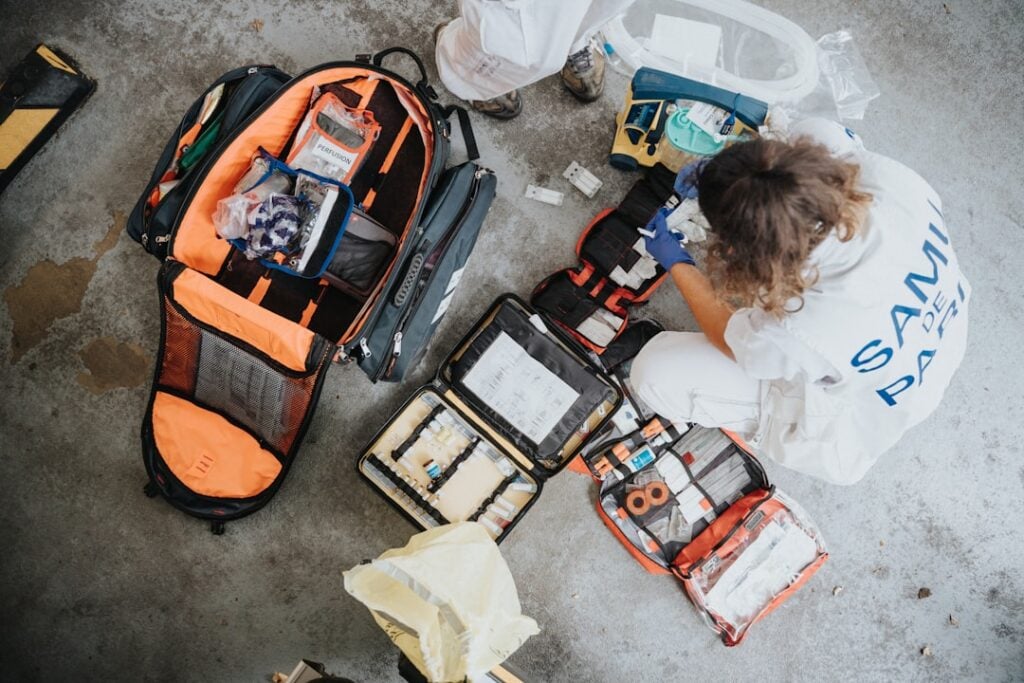
- Build an emergency kit – Assemble a grab bag with water, non-perishable food, a torch, a first-aid kit, medication and copies of important documents so your household is ready to act quickly.
- Make a family plan – Agree where to meet, how to contact one another and what to do for the hazards most likely to affect your area, then practise it together.
- Learn your local risks – Find out whether your home or workplace is exposed to flooding, earthquakes, storms or wildfire, and check official guidance on how to respond.
- Support early warning – Sign up for local alert services and encourage neighbours, especially older or isolated people, to do the same.
- Run a drill at work or school – Use the day to rehearse evacuation routes and emergency procedures so they become second nature.
- Share trusted information – Use the UNDRR social media toolkit to amplify accurate preparedness messages and counter misinformation.
- Volunteer or donate – Back humanitarian organisations and community resilience groups that respond to and prepare for disasters.
- Lobby for resilience – Ask local representatives to invest in flood defences, resilient infrastructure and inclusive planning that protects the most at-risk.
Why Disaster Day Matters
The human and economic toll of disasters is enormous and rising. Direct disaster costs are estimated at around 202 billion US dollars each year, while the wider economic impact reaches an estimated 2.3 trillion US dollars annually once knock-on effects are counted. Despite this, less than 1 per cent of public budgets is typically allocated to disaster risk reduction. Children are especially vulnerable: more than one billion children have had their lives disrupted by disasters since 2000, and tens of thousands of schools have been damaged or destroyed. Disaster Day matters because most of this suffering is preventable. Early warning systems, resilient building codes, better land-use planning and community preparedness can dramatically reduce deaths and losses, and the day exists to push those measures up the agenda.
Noteworthy Facts About Disaster Day
- The observance was first established in 1989 and originally fell on the second Wednesday of October.
- The fixed 13 October date has been used since 2009.
- The Sendai Framework, adopted in 2015, runs until 2030 and sets seven measurable global targets.
- Direct disaster losses are estimated at around 202 billion US dollars per year worldwide.
- Less than 1 per cent of public budgets is generally allocated to disaster risk reduction.
Links
- Visit the official United Nations International Day for Disaster Risk Reduction page
- Explore more awareness days at AwarenessDays.com
If you care about community preparedness, you might also follow Get Ready Day in September, which encourages families to build emergency plans well before any threat arrives.
Featured image: Photo by Mathurin NAPOLY / matnapo on Unsplash.
History of Disaster Day
The observance began in 1989, when the United Nations General Assembly approved a resolution designating the second Wednesday of October as the International Day for Natural Disaster Reduction. It formed part of the International Decade for Natural Disaster Reduction, a 1990s effort to reduce loss of life and property from natural hazards through coordinated international action.
In 2009 the United Nations changed the commemoration to a fixed date of 13 October and broadened its name and scope. The shift away from the word “natural” reflected a growing understanding that disasters are shaped by human decisions: where people build, how they build, and how well they prepare. A hazard such as an earthquake or a storm only becomes a disaster when it meets vulnerability and exposure.
The day took on renewed focus in 2015, when the Third UN World Conference on Disaster Risk Reduction in Sendai, Japan, adopted the Sendai Framework for Disaster Risk Reduction 2015 to 2030. This people-focused, action-oriented agreement set out seven global targets covering reductions in mortality, the number of people affected, economic losses and damage to critical infrastructure, alongside increases in national strategies, international cooperation and access to early warning systems. Each year the observance now tracks progress against these goals through the Sendai Seven campaign.
Hashtags
Help raise awareness by sharing Disaster Day with your friends, family and followers. Use the hashtags #DRRday and #DRRday2026 on social media. The more people who understand how to prepare for and reduce disaster risk, the more lives and livelihoods can be protected.
Frequently asked questions
What is Disaster Day?
Disaster Day is another name for the International Day for Disaster Risk Reduction, a United Nations observance held every 13 October. It promotes prevention, preparedness and resilience so that hazards cause less loss of life and damage.
When is Disaster Day in 2026?
Disaster Day takes place on Tuesday, 13 October 2026, the same fixed date used every year.
Who organises Disaster Day?
The day is led and coordinated by the United Nations Office for Disaster Risk Reduction (UNDRR), working with governments, scientists and community organisations around the world.
More awareness days in October
See all → 14–20 OctWeek14 Oct to 20 OctWeekFood & NutritionInternationalNational Baking Week 2026
 31 Oct31 OctSaturdaySeasonalUK, US, Australia and worldwideHalloween
 1–31 OctMonth1 Oct to 31 OctMonthCommunityUKBlack History Month
 1–31 OctMonth1 Oct to 31 OctMonthCancerUK, US, Australia and worldwideBreast Cancer Awareness Month 2026