Eye Donor Awareness Month
November 1 - November 30
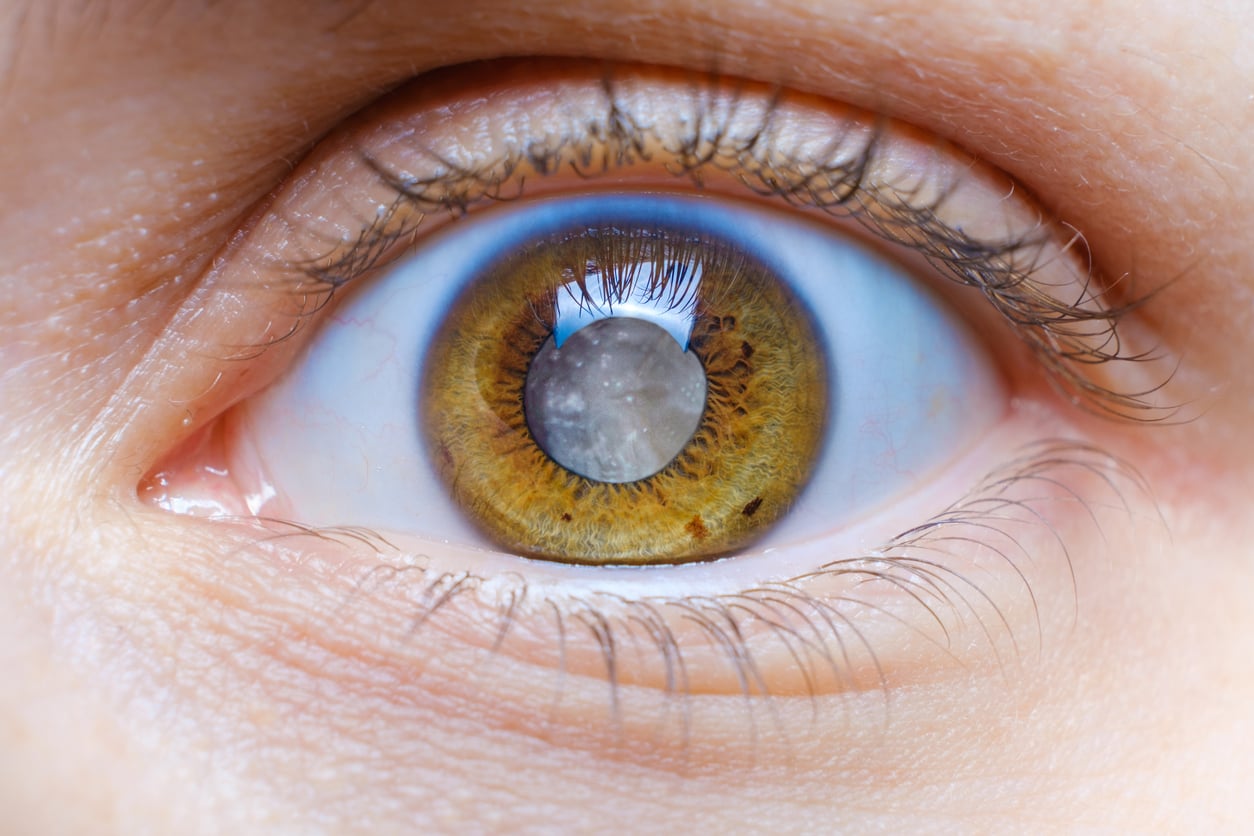
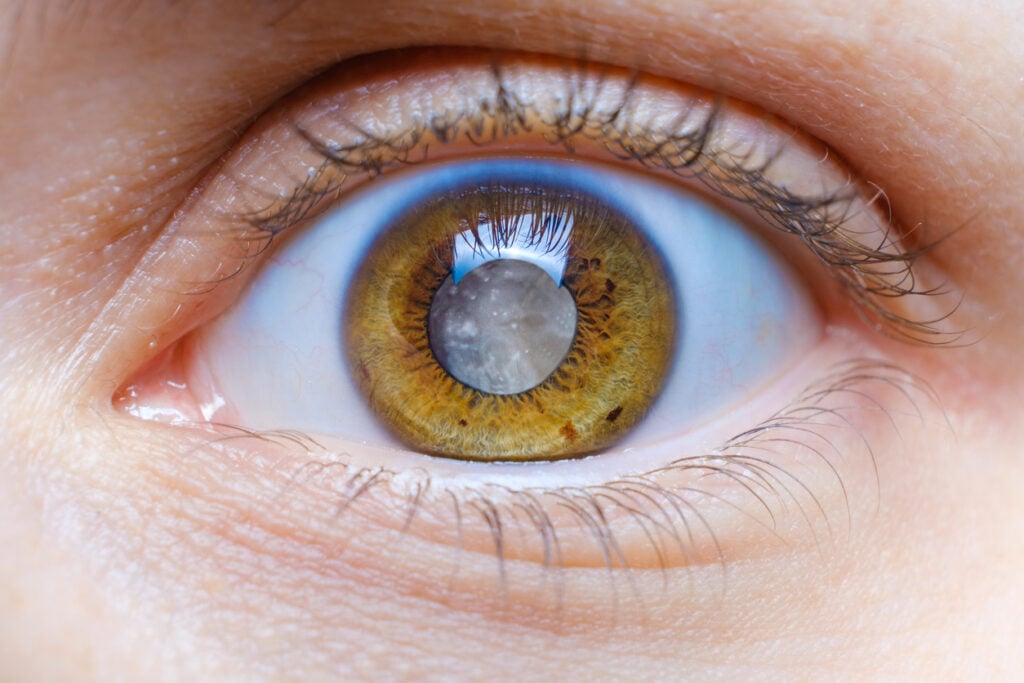
About Eye Donor Awareness Month
Eye Donor Awareness Month is observed every November in the United States, honouring the generosity of eye donors and their families while promoting public understanding of corneal transplantation and the importance of registering as an organ and tissue donor. Established in 1983 through a presidential proclamation by Ronald Reagan, the observance is led by the Eye Bank Association of America (EBAA) and celebrates the gift of sight that has transformed millions of lives.
What is Eye Donor Awareness Month?
Eye Donor Awareness Month is a month-long campaign dedicated to educating the public about eye and tissue donation, honouring donors and their families, and sharing the stories of corneal transplant recipients whose sight has been restored. The campaign is coordinated by the Eye Bank Association of America (EBAA), a non-profit organisation that has supported eye banking and corneal transplantation since its founding in 1961. Throughout November, EBAA member eye banks, hospitals, and transplant centres host events, share educational materials, and recognise the donors whose generosity makes sight-restoring surgery possible. Each year, the campaign adopts a specific theme to spotlight different aspects of eye donation and its life-changing impact.
When is Eye Donor Awareness Month?
Eye Donor Awareness Month runs from Sunday, 1 November to Monday, 30 November 2026. It has been observed annually throughout November since its inception in 1983.
Why Eye Donor Awareness Month Matters
Corneal disease is one of the leading causes of blindness worldwide, but corneal transplantation offers a remarkably effective solution. Since 1961, EBAA member eye banks have provided tissue for more than 2 million sight-restoring corneal transplants, with success rates of 95 to 98 percent. In the United States alone, approximately 85,000 corneal and other ocular tissue transplants are performed each year. However, the demand for donor tissue continues to outstrip supply globally, with an estimated 12.7 million people worldwide waiting for a corneal transplant. Eye Donor Awareness Month plays a vital role in encouraging more people to register as donors, dispelling myths about eye donation, and ensuring that donor families understand the profound impact of their loved one’s gift.
How to Get Involved in Eye Donor Awareness Month
Whether you are a healthcare professional, a potential donor, or simply someone who wants to support sight restoration, there are many ways to participate:
- Register as an organ and tissue donor — The simplest and most impactful action you can take is to register as a donor through your state’s donor registry or at registerme.org. Ensure your family knows your wishes, as next-of-kin consent is often required at the time of donation.
- Educate yourself about eye donation — Visit the EBAA website to learn the facts about corneal transplantation. Many people are unaware that virtually anyone can be an eye donor regardless of age, eyesight quality, or medical history. Even people who wore glasses or had prior eye surgery can donate corneal tissue.
- Share donor and recipient stories — Personal stories are powerful tools for changing minds and encouraging registration. If you or someone you know has received a corneal transplant or is a donor family member, consider sharing your experience with your community or on social media.
- Honour a donor’s legacy — EBAA member eye banks offer tribute programmes where you can honour an eye donor or recipient. These tributes provide a meaningful way to recognise the gift of sight and support the mission of eye banking.
- Support eye bank organisations — Donate to the EBAA or your local eye bank to fund research into improved transplant techniques, tissue preservation, and equitable access to corneal transplantation worldwide.
- Dispel myths about eye donation — Many people are reluctant to register as eye donors because of misconceptions. Common myths include the belief that eye donation will alter the donor’s appearance (it does not), that it conflicts with religious beliefs (most religions support organ donation), or that older people cannot donate (there is no upper age limit).
- Talk to your eye care provider — Ask your ophthalmologist or optometrist about corneal health and transplantation during your next appointment. Eye care professionals can provide information about how donor tissue is used and why registration matters.
History of Eye Donor Awareness Month
Eye Donor Awareness Month was established in November 1983 through a presidential proclamation by Ronald Reagan. The proclamation recognised the life-changing impact of corneal transplantation and the urgent need to increase public awareness about eye donation. The Eye Bank Association of America, which had been facilitating corneal transplants since its founding in 1961, was instrumental in advocating for the designation.
The history of corneal transplantation itself stretches back much further. The first successful full-thickness corneal transplant was performed in 1905 by Austrian ophthalmologist Eduard Zirm. However, the modern era of eye banking began in 1944, when R. Townley Paton founded the first eye bank in New York City. The establishment of the EBAA in 1961 created a national framework for the recovery, processing, and distribution of donor eye tissue, standardising practices that dramatically improved transplant outcomes.
Since its establishment, Eye Donor Awareness Month has grown to encompass a wide range of activities, from community education events to international research collaborations. The EBAA now works with eye banks in more than 50 countries, reflecting the global nature of the need for donor tissue. The observance has also adapted to include newer forms of corneal surgery, such as endothelial keratoplasty, which transplants only the innermost layer of the cornea and allows for faster recovery. Today, the month serves not only as a time for education but also as a period of reflection and gratitude, honouring the donors and families whose generosity gives others the gift of sight, a theme that resonates deeply during a month also dedicated to World Kindness Day.
Noteworthy Facts About Eye Donation
- Since 1961, EBAA member eye banks have provided tissue for more than 2 million sight-restoring corneal transplants, making it one of the most successful transplant programmes in medical history.
- Corneal transplants have a success rate of 95 to 98 percent, among the highest of any transplant procedure.
- There is no upper age limit for eye donation. Tissue from donors in their 70s, 80s, and beyond is routinely used for successful transplants.
- A single eye donor can help restore sight for multiple recipients, as different parts of the eye can be used for corneal transplants, scleral grafts, and research.
- An estimated 12.7 million people worldwide are waiting for a corneal transplant, with the greatest unmet need in developing countries where access to eye banking infrastructure is limited.
Frequently Asked Questions
What is Eye Donor Awareness Month?
Eye Donor Awareness Month is a November observance that raises awareness about corneal transplantation, honours eye donors and their families, and encourages the public to register as organ and tissue donors.
When is Eye Donor Awareness Month in 2026?
Eye Donor Awareness Month runs throughout November 2026, from Sunday, 1 November to Monday, 30 November.
Can anyone be an eye donor?
Yes, virtually anyone can be an eye donor regardless of age, eyesight quality, or prior eye conditions. There is no upper age limit, and people who wore glasses, had cataracts, or had laser eye surgery can still donate corneal tissue. The suitability of tissue is assessed at the time of donation.
Spread the Word
Help raise awareness by sharing Eye Donor Awareness Month with your friends, family, and followers. Use the hashtags #EyeDonorMonth and #GiftOfSight2026 on social media. Encouraging one person to register as a donor could restore someone’s sight.
Related Awareness Days
- World Health Day — Held on 7 April each year, this WHO-led day highlights a different global health priority, promoting universal access to healthcare including sight-restoring treatments.
- International Day of Radiology — Celebrated on 8 November, this day recognises the role of medical imaging, including ophthalmic imaging technologies that support eye health diagnostics.
- World Kindness Day — Observed on 13 November, this day celebrates acts of generosity and compassion, reflecting the profound gift that eye donors and their families give to recipients.
Links
]]>Plan your next campaign
Use Awareness Planner to discover events, build content calendars, and stay ahead of key dates.







2026 Awareness Days Wall Planner
Every key awareness day at a glance. Perfect for offices, staff rooms, and team planning.
View Calendar →