

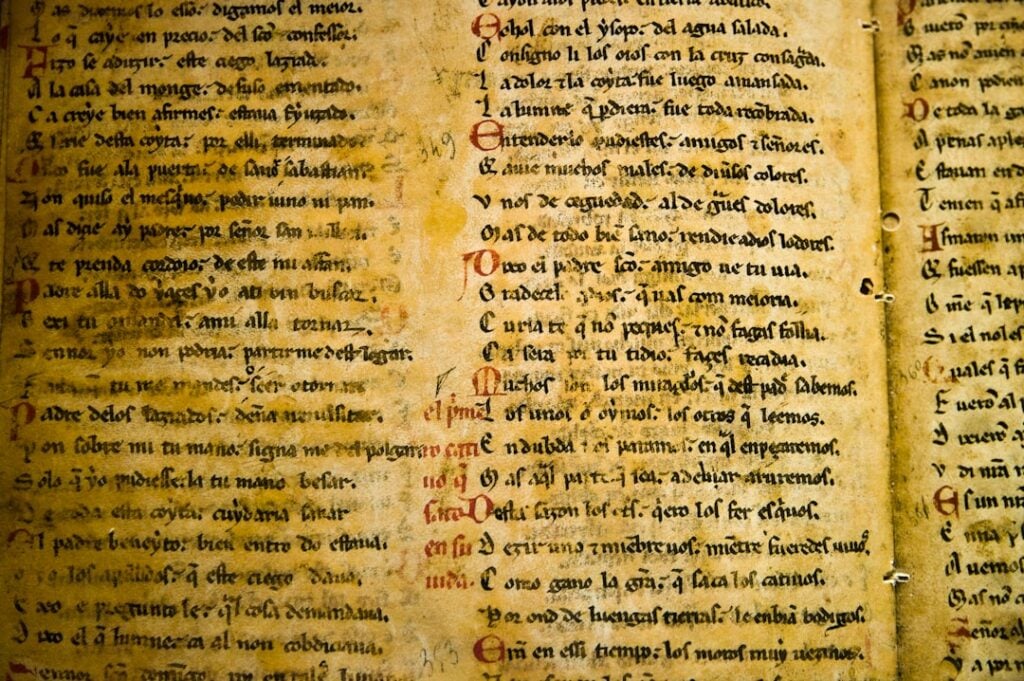
Magna Carta Day 2027
Tuesday 15 June 2027 · every year on 15 June
The day commemorates one of the most influential documents in legal and constitutional history, a charter that first set down the principle that even a monarch is subject to the rule of law.
Also on 15 June: World Elder Abuse Awareness Day · National Beer Day (Beer Day Britain) · National Accounts Payable Day
The Story Behind Magna Carta Day
Magna Carta Day falls on 15 June each year, marking the anniversary of the sealing of the Magna Carta by King John at Runnymede on 15 June 1215. The day commemorates one of the most influential documents in legal and constitutional history, a charter that first set down the principle that even a monarch is subject to the rule of law.
In the early thirteenth century, England was ruled by King John, a monarch whose reign had become defined by military failure, heavy taxation and a bitter feud with the Church. His costly and unsuccessful wars in France drained the royal treasury, and to refill it he demanded ever greater sums from his barons. Resentment grew until, in early 1215, a powerful group of rebel barons rose against him and seized control of London, leaving the king with little choice but to negotiate.
The man who brokered the peace was Stephen Langton, the Archbishop of Canterbury, who helped draft a charter of liberties designed to curb royal abuses and restore order. On 15 June 1215, in the meadows of Runnymede beside the River Thames near Windsor, King John attached his great seal to the document we now call Magna Carta, Latin for “the Great Charter.” It promised the protection of Church rights, safeguards against unlawful imprisonment, access to swift and impartial justice, and limits on the feudal payments owed to the Crown.
The peace did not last. Neither side honoured its commitments, and within weeks Pope Innocent III annulled the charter, declaring it unlawful and unjust. England slid into the First Barons’ War. Yet the idea proved impossible to bury. After King John’s death in 1216, the charter was reissued under his young son Henry III, and revised versions followed in 1217 and 1225. Through these later confirmations, Magna Carta passed into the permanent fabric of English law and, in time, into the legal traditions of nations across the world.
When and Where is Magna Carta Day Celebrated?
Magna Carta Day is observed annually on 15 June, the date the charter was sealed in 1215. In 2027 it falls on Tuesday 15 June. The day is most closely associated with the United Kingdom, and particularly with Runnymede in Surrey, where the original sealing took place. The site is now cared for by the National Trust and is home to several memorials, including the American Bar Association monument and a memorial to John F. Kennedy. The anniversary is also marked further afield, especially in the United States, where Magna Carta is honoured as an ancestor of the Constitution and the Bill of Rights.
Plan around Magna Carta Day and every key date in June
Content planning tools and templates for 2027: editorial calendars, Google Sheets, Excel, calendar feeds and printable calendars. The rest of 2026 is included.
Traditions and Customs
Over the centuries a number of customs have grown up around the anniversary, ranging from solemn legal ceremonies to community festivals.
- Ceremonies at Runnymede – Legal bodies, civic leaders and dignitaries gather at the meadows to rededicate memorials and reflect on the charter’s legacy. The 800th anniversary in 2015 drew members of the Royal Family, the Prime Minister and senior figures from the American legal profession.
- Cathedral commemorations – Salisbury and Lincoln Cathedrals, each home to an original 1215 copy, hold special displays and services around the anniversary, allowing the public to view the surviving documents.
- Civic festivals in Egham and Runnymede – Nearby towns have marked the occasion with food and wine festivals, pageants and fireworks, turning the historical anniversary into a community celebration.
- Educational events – Schools, universities and law schools run talks, debates and workshops on the rule of law, constitutional history and human rights.
- River processions – During major anniversaries, replica charters have been carried down the Thames by flotillas of boats, echoing the journey of the original document.
Ways to Celebrate Magna Carta Day
There are many ways to mark the anniversary, whether you are near Runnymede or on the other side of the world.
- Visit Runnymede – Walk the meadows where the charter was sealed and explore the memorials. Entry to the site is free and it offers a quiet, reflective way to connect with the history.
- See an original copy – Plan a trip to the British Library, Salisbury Cathedral or Lincoln Castle to view one of the four surviving 1215 originals in person.
- Read the charter – The full text is freely available online in translation. Reading clauses 39 and 40 reveals just how directly the medieval document speaks to modern ideas of justice.
- Learn about the rule of law – Use the day to understand how the principle that no one is above the law underpins modern democracy and the courts.
- Discuss with others – Host a conversation, book club or classroom debate on why an 800-year-old charter still matters today.
- Support legal charities – Consider donating to or volunteering with organisations that defend access to justice and human rights, causes that trace their roots to Magna Carta.
If you enjoy days that explore the foundations of liberty and government, you may also be drawn to Bill of Rights Day, which honours a later cornerstone of constitutional protection that owes a clear debt to the charter sealed at Runnymede.
Facts and Figures
- Magna Carta contained 63 clauses, but only four remain valid in English law today: clauses 1, 13, 39 and 40.
- At least thirteen original copies were issued in 1215, yet only four survive, held at the British Library (two copies), Salisbury Cathedral and Lincoln Castle.
- The famous clause 39 declares that no free man shall be imprisoned or stripped of his rights “except by the lawful judgement of his peers and the law of the land.”
- The document was written in heavily abbreviated medieval Latin on sheepskin parchment, each sheet roughly 380 by 510 millimetres.
- The numbered clause system used today was not original; it was introduced by the jurist Sir William Blackstone in 1759.
- Magna Carta directly influenced the 1791 United States Bill of Rights and the 1948 Universal Declaration of Human Rights.
Hashtags
Links
Featured image: Photo by Mark Rasmuson on Unsplash.





Frequently asked questions
What is Magna Carta Day?
Magna Carta Day commemorates the sealing of the Magna Carta by King John at Runnymede on 15 June 1215. It celebrates the charter’s role in establishing the principle that everyone, including the monarch, is subject to the rule of law.
When is Magna Carta Day in 2027?
Magna Carta Day falls on Tuesday 15 June 2027. The date is fixed each year because it marks the anniversary of the original sealing in 1215.
Why does Magna Carta still matter today?
Although most of its clauses have been repealed, Magna Carta endures as a symbol of liberty and limited government. Its principles of due process and equality before the law shaped later documents including the US Constitution and the Universal Declaration of Human Rights.
More awareness days in June
See all → 19 Jun19 JunSaturdayGlobal & NationalUSJuneteenth
 20 Jun20 JunSundayJune Awareness DaysUKFather’s Day UK
 21 Jun21 JunMondaySeasonalInternationalSummer Solstice 2027
 21 Jun21 JunMondayArts & CultureInternationalWorld Music Day
 22 Jun22 JunTuesdayGlobal & NationalInternationalWindrush Day 2027
 28 Jun – 11 JulWeek28 Jun to 11 JulWeekSeasonalInternationalWimbledon 2027
 1–30 JunMonth1 Jun to 30 JunMonthCommunityInternationalPride Month 2027
 1–7 JunWeek1 Jun to 7 JunWeekCommunityInternationalVolunteers Week 2027