National Emo Day
December 19
About National Emo Day
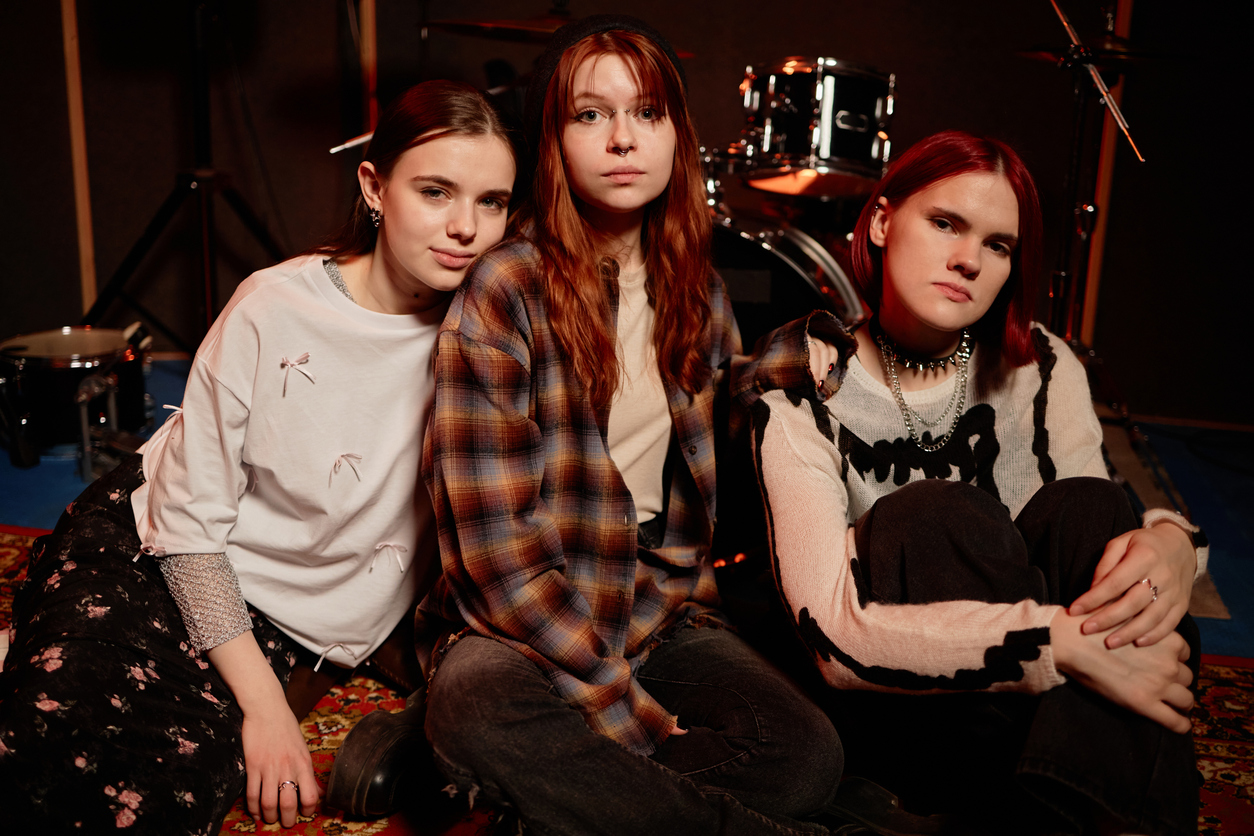
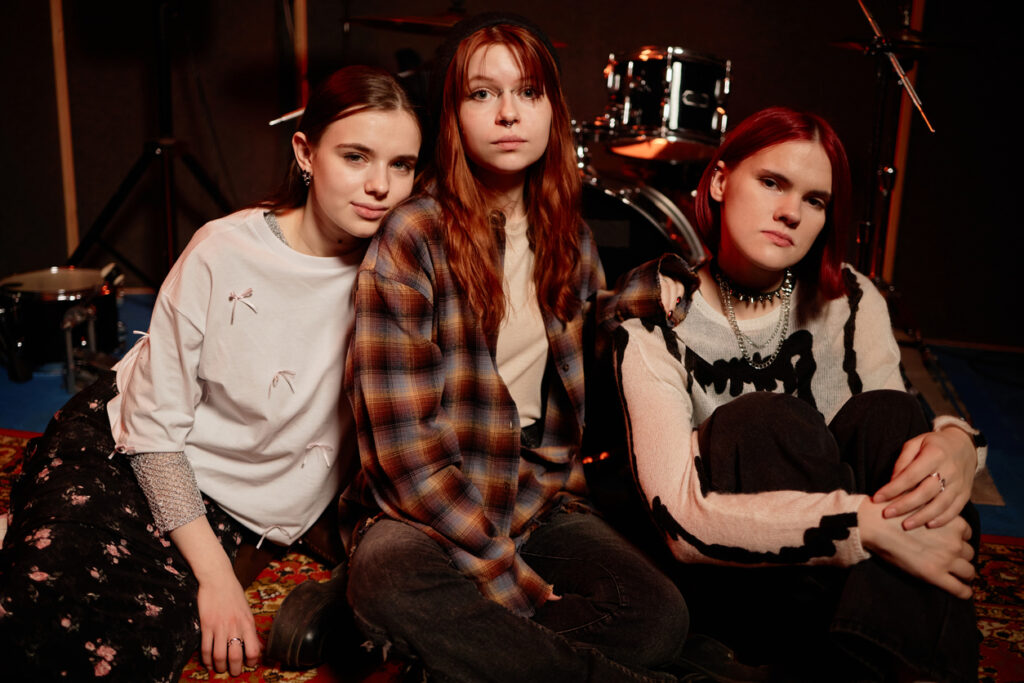
National Emo Day is observed annually on 19 December, celebrating the emo subculture and the genre of music that shaped a generation. The day encourages fans to revisit the music, fashion, and emotional expression that defined the emo movement, from its punk-influenced origins in the 1980s to its mainstream peak in the 2000s. In 2026, National Emo Day falls on Saturday, 19 December.
What is National Emo Day?
National Emo Day is an informal celebration of emo culture — the music, the fashion, and the community that grew around emotional self-expression. “Emo” is short for “emotional hardcore,” a term originally applied to a subgenre of punk rock that emerged in Washington, D.C. in the mid-1980s. The day is embraced by both long-time fans who lived through the movement and younger generations discovering the genre for the first time. It’s a day to play your favourite emo albums loud, dig out your old band T-shirts, and connect with a community that found strength in vulnerability.
When is National Emo Day?
National Emo Day takes place on Saturday, 19 December 2026. The date is fixed and falls on 19 December every year.
How to Celebrate National Emo Day
Whether you were part of the original scene or you’re a newer fan, here’s how to mark the day:
- Create the ultimate emo playlist — Queue up classics from My Chemical Romance, Dashboard Confessional, Fall Out Boy, Taking Back Sunday, and Jimmy Eat World. Share it with friends and see how your lists compare.
- Revisit your teenage favourites — Dig through your old music collection, whether that’s CDs, vinyl, or a long-dormant iTunes library. Rediscover the songs that soundtracked your formative years.
- Dress the part — Skinny jeans, band T-shirts, studded belts, eyeliner, and side-swept fringes. Go full emo for the day, or just incorporate one element into your outfit as a nod to the subculture.
- Attend or stream a live show — Many emo and pop-punk bands from the 2000s have reunited and continue to tour. Check whether any are playing near you, or stream a live concert recording.
- Share your emo memories — Post throwback photos from your emo days on social media. The community loves a good MySpace-era photo resurfacing.
- Explore emo’s roots — Go beyond the mainstream hits and listen to the genre’s origins: Rites of Spring, Sunny Day Real Estate, and Jawbreaker. Understanding where emo began adds depth to the celebration.
- Support emo artists — Buy merchandise, stream their music, or attend shows. Many emo bands operate independently, and fan support directly funds their work.
History of National Emo Day
The precise origin of National Emo Day is difficult to pin down. The earliest known reference to the day appeared in an Urban Dictionary entry dated 5 December 2009, suggesting the celebration had already taken root in online communities by that point. Some sources credit two British DJs with proposing the idea in 2006, though this has not been definitively verified. What is clear is that December 19 became the accepted date through grassroots adoption on social media and internet forums rather than through any formal proclamation.
The emo genre itself traces back to the mid-1980s in Washington, D.C., where bands like Rites of Spring and Embrace began blending hardcore punk with deeply personal, emotionally raw lyrics. The term “emo” — short for “emotional hardcore” — was initially used to describe this sound. Through the 1990s, bands like Sunny Day Real Estate, The Promise Ring, and Jimmy Eat World carried the genre forward, evolving its sound toward more melodic territory.
Emo reached its commercial peak in the early to mid-2000s, when bands such as My Chemical Romance, Fall Out Boy, Panic! at the Disco, and Paramore brought the genre to mainstream audiences. The subculture extended well beyond music, encompassing a distinct visual aesthetic — dark clothing, eyeliner, side-swept hair — and a culture of emotional openness. World Goth Day, celebrated on 22 May, shares some cultural DNA with emo, both rooted in alternative music scenes that value self-expression.
Though emo’s mainstream visibility faded after the late 2000s, the genre has experienced a significant revival. Many original bands have reunited for tours, and a new wave of emo-influenced artists continues to build on the genre’s foundations.
Noteworthy Facts About Emo
- The term “emo” was first used in the 1980s to describe bands on the Dischord Records label in Washington, D.C., founded by Ian MacKaye of Minor Threat and Fugazi.
- My Chemical Romance’s album “The Black Parade” (2006) is widely considered one of the defining records of the emo era, reaching number two on the US Billboard 200.
- Fall Out Boy’s “Sugar, We’re Goin Down” (2005) spent 24 weeks on the Billboard Hot 100, helping bring emo into the pop mainstream.
- The emo revival of the 2010s and 2020s has seen bands like American Football, The World Is a Beautiful Place & I Am No Longer Afraid to Die, and Mom Jeans carry the torch.
- Myspace, the social networking platform, played a pivotal role in the growth of emo music, allowing unsigned bands to share tracks and build fanbases directly.
Frequently Asked Questions
What is National Emo Day?
National Emo Day is an annual celebration on 19 December dedicated to the emo music genre, subculture, and community. It encourages fans to revisit the music and express themselves through the emo tradition.
When is National Emo Day in 2026?
National Emo Day falls on Saturday, 19 December 2026.
Where did emo music originate?
Emo originated in Washington, D.C. in the mid-1980s as a subgenre of hardcore punk. Bands like Rites of Spring are credited with pioneering the “emotional hardcore” sound that gave the genre its name.
Spread the Word
Join the celebration and share your love for emo on social media with #NationalEmoDay and #NationalEmoDay2026. Post your favourite emo tracks, share throwback photos, and tag the friends who were there for it all.
Related Awareness Days
- World Goth Day — Celebrated on 22 May, this day honours the goth subculture, which shares roots with emo in the alternative music scene.
- International Jazz Day — Observed on 30 April, a celebration of jazz music and its role in bringing people together across cultures.
- International Reggae Day — Falling on 1 July, this day celebrates reggae music and its cultural impact worldwide.
Links
Plan your next campaign
Use Awareness Planner to discover events, build content calendars, and stay ahead of key dates.





2026 Awareness Days Wall Planner
Every key awareness day at a glance. Perfect for offices, staff rooms, and team planning.
View Calendar →