National Lace Day
October 1
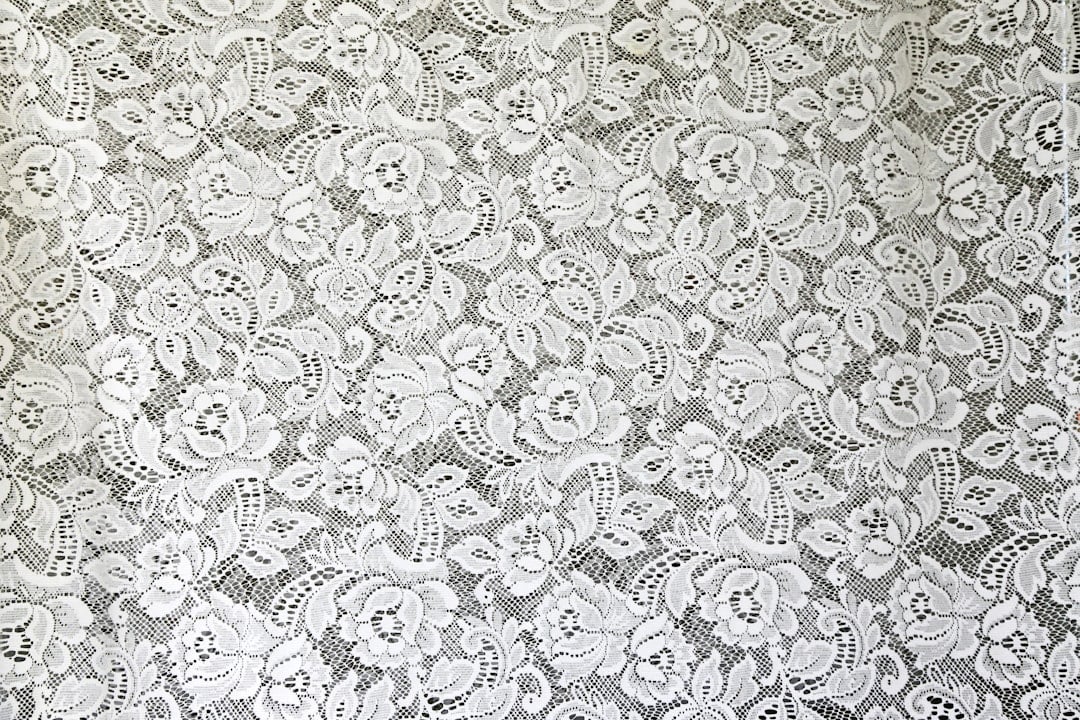
About National Lace Day
National Lace Day takes place every year on 1 October, and in 2026 it falls on Thursday, 1 October. The day honours one of the world’s most intricate textile crafts, celebrating both the centuries-old history of lacemaking and the skilled artisans who still practise it by hand today.
The Story Behind National Lace Day
Lace is one of the most labour-intensive fabrics ever devised, and the day set aside to celebrate it reflects a long human fascination with delicate, decorative cloth. While the exact origins of National Lace Day itself are not documented, the holiday emerged in recent years as part of a wider revival of interest in heritage crafts and slow, handmade textiles. Its purpose is straightforward: to mark the artistry, patience and history bound up in every length of lace.
The fabric it celebrates has a far longer pedigree. Lace as we recognise it today appeared in Europe during the early sixteenth century, with major centres of production developing in present-day Italy and Flanders. Venice became famous for its needle lace, known as punto in aria, meaning “stitches in the air,” because the work was built up from a single thread with no woven backing. Flemish weavers, meanwhile, perfected bobbin lace, in which dozens or even hundreds of threads wound on small wooden bobbins are crossed and twisted around pins set into a pattern.
Lace quickly became a marker of wealth and rank. It edged the collars and cuffs of royalty and clergy, and was so prized that in several European courts sumptuary laws were passed to control exactly who was permitted to wear it. A single elaborate collar could represent hundreds of hours of work and cost more than a fine painting. By the seventeenth century, French towns such as Chantilly and Alencon had established their own celebrated styles, with Chantilly lace prized for its fine, floral patterns worked in black silk.
The Industrial Revolution changed everything. From the early nineteenth century, machines based on the Nottingham lace industry in England could reproduce in minutes patterns that had taken a hand worker weeks. Lace became affordable and widespread, but the handmade tradition never disappeared entirely. National Lace Day exists in part to honour the makers who keep the original, painstaking methods alive rather than letting them fall to the reign of machines.
When and Where is National Lace Day Celebrated?
National Lace Day is observed on 1 October each year, and in 2026 that is a Thursday. The date is fixed, so it does not move from year to year. The observance is most associated with the United States, where it sits among the many national days dedicated to crafts and traditions, but lace lovers, textile historians and makers around the world take part. There is also a separate International Lace Day, observed in late September, reflecting just how globally cherished the craft has become.
Traditions and Customs
Because lace is as much about wearing and admiring as it is about making, the day has gathered a handful of gentle customs.
- Wearing your finest lace – Many people mark the day by dressing in a favourite lace garment, whether it is an heirloom blouse, a wedding veil or a simple lace-trimmed handkerchief, putting the fabric on display where it belongs.
- Visiting lace collections – Museums and textile archives often hold remarkable historical lace, and the day is a natural prompt to seek out these collections in person or online.
- Sharing handmade pieces – Lacemakers use the occasion to show their work, photographing finished pillows, doilies and trims and explaining the techniques behind them.
- Teaching the craft – Experienced makers introduce newcomers to bobbin lace or tatting, passing on skills that are kept alive largely through direct demonstration.
- Honouring heirlooms – Families bring out lace handed down through generations, from christening gowns to tablecloths, and retell the stories attached to them.
Ways to Celebrate National Lace Day
Whether you have never touched a lace pillow or you have shelves full of bobbins, there are easy ways to join in.
- Try a beginner project – Tatting and simple bobbin lace need very little equipment to start, and online tutorials can walk you through your first edging in an afternoon.
- Visit a textile museum – Many museums hold dedicated lace galleries; a visit reveals just how fine historical work could be and puts modern pieces in context.
- Support a maker – Buy a handmade piece directly from an artisan or a craft fair, helping to sustain a living tradition rather than a mass-produced imitation.
- Repair and reuse – Mend a torn lace garment or repurpose vintage lace into something new, keeping beautiful fabric out of landfill.
- Learn the history – Read about a specific style such as Venetian needle lace or English Honiton lace and trace how it shaped local economies.
- Photograph the detail – Get up close with a camera and share the astonishing geometry of a lace pattern, helping others appreciate the craft.
If you enjoy days that celebrate textile heritage, you might also appreciate Sewing Machine Day, which honours the invention that transformed clothing and craft alike.
Facts and Figures
- Handmade lace can take up to 500 hours of work to produce a single yard, depending on the complexity of the pattern.
- Venetian needle lace, called punto in aria, is built entirely from a single thread without any woven ground beneath it.
- Chantilly lace, named after the French town, originated in the seventeenth century and is celebrated for its delicate floral designs worked in black silk.
- In the sixteenth century, lace was so valuable that sumptuary laws were enacted in several European courts to restrict who could legally wear it.
- Nottingham in England became a global centre of machine-made lace in the nineteenth century, making the fabric affordable for ordinary households for the first time.
Frequently Asked Questions
What is National Lace Day?
National Lace Day is an annual celebration of the lacemaking craft and the fabric it produces. It recognises the history, skill and patience behind both handmade and machine-made lace, and encourages people to wear, learn about and support the tradition.
When is National Lace Day in 2026?
National Lace Day falls on Thursday, 1 October 2026. The date is fixed and is observed on 1 October every year.
How did lace first come to be made?
Lace as we know it emerged in early sixteenth-century Europe, with needle lace developing in Italy and bobbin lace in Flanders. It likely arose in several places around the same time before spreading across the continent as a luxury fabric.
Spread the Word
Share National Lace Day with your community using #NationalLaceDay and #NationalLaceDay2026. Whether you mark the occasion by wearing an heirloom piece or trying your first lace project, every bit of awareness helps keep this tradition alive.
Related Awareness Days
- Sewing Machine Day – Celebrates the machine that revolutionised textile making, a natural companion to a day honouring handmade lace.
- International Day of Celtic Art – Marks another intricate decorative tradition rooted in patience and pattern, much like lacework.
- World Doll Day – Honours craftsmanship and heritage in another beloved handmade form, often dressed in fine lace.
Links
Featured image: Photo by Nareeta Martin on Unsplash.






2026 Awareness Days Wall Planner
Every key awareness day at a glance. Perfect for offices, staff rooms, and team planning.
View Calendar →