
Oceans of Plastic 2026
2026 date verification pending
2026 date verification pending. The stored calendar entry (Thursday 19 November 2026) is provisional. A 2026 Oceans of Plastic event date has not been confirmed. Check with the organiser before making plans. Moonbird Education learning resources.
Oceans of Plastic: 2026 date verification pending. Use the date disclosure and source below before planning around the provisional entry.
A full year of awareness dates, ready to edit or print.
Get the full 2027 awareness days calendar£19.99. No automatic renewal.
On this page
Dates and event details
2026 date verification pending. The stored calendar entry (Thursday 19 November 2026) is provisional. A 2026 Oceans of Plastic event date has not been confirmed. Check with the organiser before making plans. Moonbird Education learning resources.
| Date status | 2026 date verification pending |
|---|---|
| Provisional entry | Thursday 19 November 2026 |
| Date-check source | Moonbird Education learning resources |
| Where | International learning resource |
About Oceans of Plastic
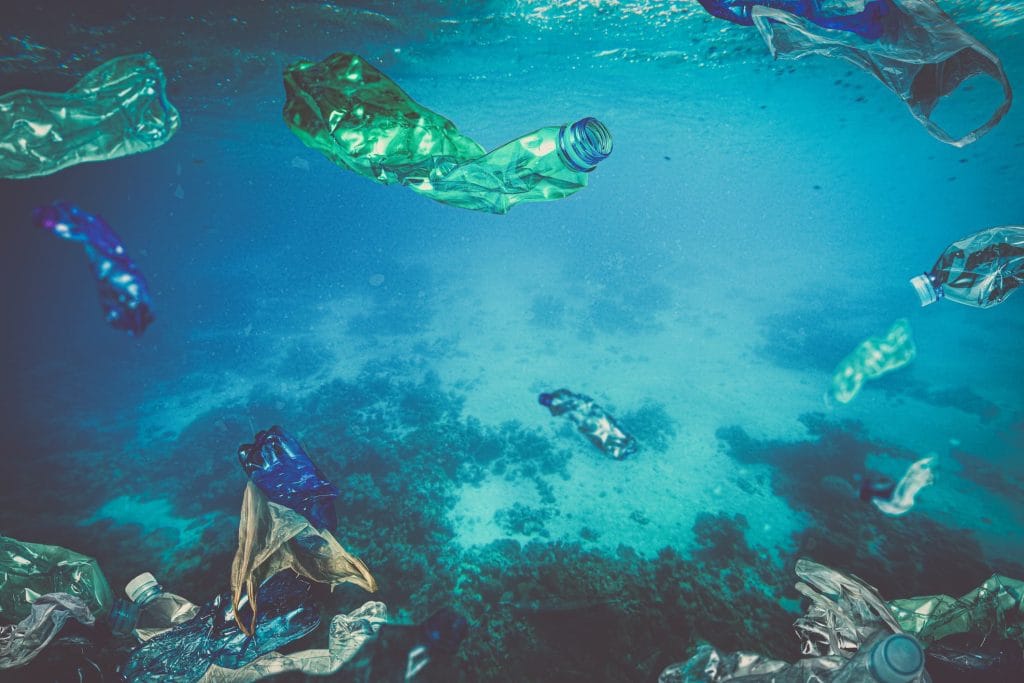
Oceans of Plastic is a starting point for learning about marine plastic pollution and choosing practical ways to reduce waste. A 2026 event on 19 November has not been confirmed, so please check with the organiser before making plans around that date.
What does the name refer to?
The website previously linked from this listing, Moonbird Education, presents ocean-plastics learning material and a book by Tracey Gray. Its current page does not establish an annual awareness day on 19 November or the year-long global campaign described in our earlier article.
You can still use the resources to explore a useful question: how can the things we use on land become waste in the sea? Treat a lesson or community activity as your own project unless its organiser confirms a specific campaign connection.
Start with reliable information
The UN Environment Programme’s plastic pollution resources explain why solutions need to address how plastic products are designed, used and managed after use. The United Nations ocean action guide includes everyday ways to reduce unnecessary packaging and keep waste out of the environment.
A useful discussion goes beyond asking individuals to recycle more. Consider what a school, workplace or supplier could change, including purchasing choices, refill arrangements and clear waste collection points.
Try a one-week packaging project
- Choose one place. Focus on a staff kitchen, lunch area or household shopping basket rather than trying to measure everything.
- Count one item. Record how many disposable cups, bottles or wrappers appear over a week. Work from a tally instead of sorting mixed rubbish by hand.
- Find a realistic alternative. Ask the people using the space what would help. Keep accessibility, hygiene, cost and convenience in the decision.
- Repeat the count. Try the change for another week and compare the same measure. Report what changed, including anything that did not work.
Taking learning outdoors
If you join a beach or riverside clean, follow the local organiser’s instructions about equipment, access and what to leave alone. A short, organised activity can be more useful than an ambitious collection target. Photographs of wildlife and shorelines can also support a classroom discussion without collecting litter.
Share your findings as a local learning project, with the dates and methods you actually used. There is no need to wait for an unconfirmed awareness day to make a practical improvement.