
World Neglected Tropical Diseases Day 2027
Saturday 30 January 2027
Dates can vary from year to year, so check the organiser’s website for the latest details.
World NTD Day on 30 January highlights neglected tropical diseases and the communities affected by them.
Add this date to my calendarA full year of awareness dates, ready to edit, print or sync.
Get the full 2027 health calendar£49.99 a year. Renews annually.
On this page
Dates and event details
Saturday 30 January 2027. Held every year on 30 January.
| Date status | Date calculated from a fixed annual pattern |
|---|---|
| Date-check source | World Health Organization |
| Where | International |
What are neglected tropical diseases?
NTDs are a diverse group of conditions associated with serious health, social and economic consequences. WHO describes them as mainly affecting impoverished communities in tropical areas, while noting that some have a wider geographical distribution. Examples within its NTD work include Chagas disease, dengue, leprosy, rabies and trachoma.
The word “neglected” is part of the public health category. It should not become a label for the people who live with these conditions. A useful awareness activity explains the barriers communities face and recognises the knowledge and work of people addressing them. WHO’s NTD topic overview is a starting point for understanding the range of conditions and the organisation’s 2021–2030 road map.
World Neglected Tropical Diseases Day is observed on 30 January each year, with the next observance on 30 January 2027. Often shortened to World NTD Day, it draws attention to conditions that have historically received too little attention and to the communities affected by them. It is one of the World Health Organization’s official global public health days.
When is World Neglected Tropical Diseases Day?
The annual date is 30 January. The World Health Assembly formally recognised it in 2021 through decision WHA74(18). The 2027 calendar date follows that fixed annual observance. A specific 2027 theme has not been verified for this listing; use the WHO campaign page for current announcements and resources.
Practical ideas for schools and community groups
The following are suggested planning activities, rather than an official WHO programme:
- Explore one verified case study. Select a story published by WHO or a relevant public health organisation. Identify the community’s priorities, the partners involved and what the source actually says changed.
- Build a source-checking activity. Give learners an official campaign page and ask them to find its date, author, purpose and resource links. Discuss the difference between a campaign slogan and evidence.
- Map a public health partnership. Investigate the different roles of local services, researchers, community representatives and international organisations in a specific programme.
- Invite a focused conversation. Ask a suitable speaker to address one question relevant to the audience. Agree their topic, access needs and any payment before promoting the event.
Why does the day matter?
The campaign creates space for issues that can be overlooked in wider conversations about health. It also connects health with questions about access to services, living conditions, discrimination and participation in education or employment. These connections give schools, charities and community organisations several ways to engage without trying to cover every disease in a single session.
Choose one clear learning goal. A class might investigate how a public health campaign is organised; a charity might explain a programme it supports; a workplace group might discuss how it selects reliable information for a global awareness calendar.
Communicating respectfully
Use images and personal stories with appropriate permission and context. Avoid treating a whole country or continent as if it has one experience. Describe the location and date of the information you share, and check whether an example is a current programme or an older campaign.
If you are fundraising, identify the organisation receiving the money and explain how participants can check its work. Keep educational participation open to people who do not donate. For a public display, provide a short explanation and an official resource link so readers can learn more at their own pace.
After the awareness day
Make a small collection of reliable links available after the event and record questions that need further research. Related dates include World Chagas Disease Day, World Rabies Day and World Health Day. Each has its own purpose and date.
Official information
The date and background were checked against WHO sources on 23 October 2026. Activity suggestions here are editorial ideas; the fixed 2027 date does not imply that a 2027 theme or campaign pack has already been announced.
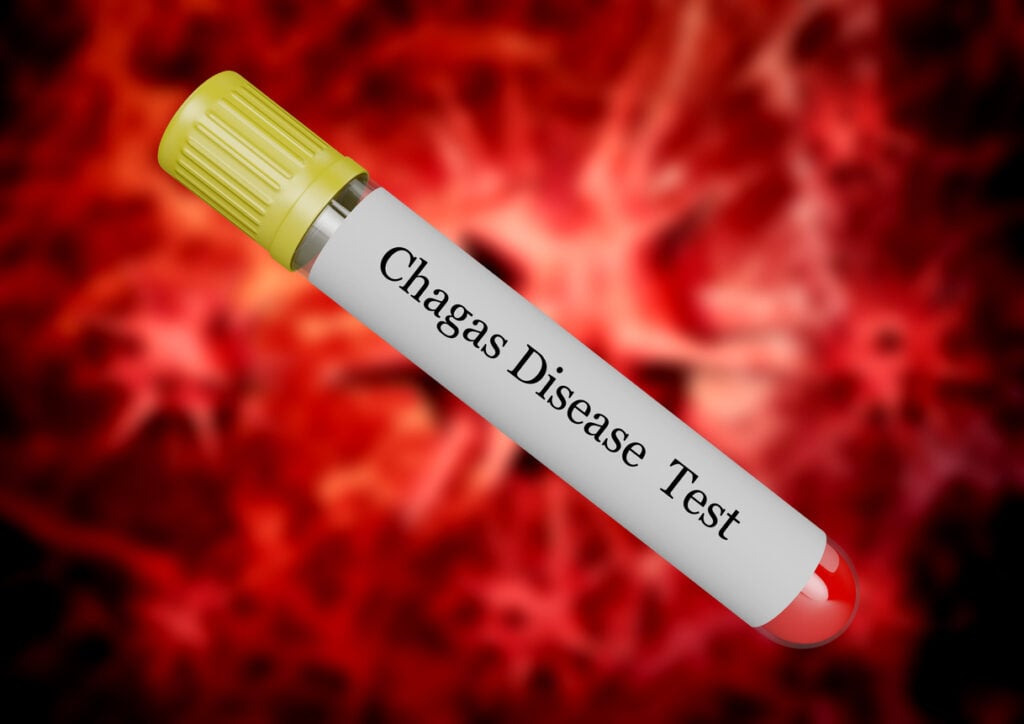
Featured image: a Chagas disease test, illustrating one of the neglected tropical diseases covered by the observance.