
Alopecia Areata Awareness Month 2026
All of September 2026
Alopecia Areata Awareness Month is an annual observance dedicated to an autoimmune condition that causes hair to fall out, often in small round patches, and in some cases across the entire scalp or body.
Add this date to my calendarA full year of awareness dates, ready to edit, print or sync.
Get the full 2027 health calendar£49.99 a year. Renews annually.
On this page
Dates and event details
All of September 2026. Held all of September every year.
| Where | US |
|---|
What is Alopecia Areata Awareness Month?
Alopecia Areata Awareness Month is an annual observance dedicated to an autoimmune condition that causes hair to fall out, often in small round patches, and in some cases across the entire scalp or body. It is sponsored by the National Alopecia Areata Foundation, the largest and most representative patient advocacy organisation for the condition. The month is for anyone affected by alopecia areata, their families and carers, healthcare professionals, and the wider public. Its central aim is to replace misunderstanding with accurate information, because alopecia areata is frequently confused with hair loss caused by cancer treatment or simple ageing, when it is in fact a distinct autoimmune disease.
Alopecia Areata Awareness Month takes place throughout September each year, and in 2026 it runs from Tuesday, 1 September to Wednesday, 30 September. Led by the National Alopecia Areata Foundation (NAAF), the month works to raise public understanding of alopecia areata, reduce the stigma surrounding visible hair loss, and drive funding for research into treatments and a cure.
When is Alopecia Areata Awareness Month?
Alopecia Areata Awareness Month is held every September. In 2026 it begins on Tuesday, 1 September and ends on Wednesday, 30 September. The observance is fixed to the calendar month, so it always covers the whole of September regardless of the year. NAAF traditionally marks the finale of the month with its annual Walk For Alopecia, which in 2026 is scheduled for 26 September.
How to Get Involved in Alopecia Areata Awareness Month
There are many ways to take part, whether you are personally affected by alopecia areata or simply want to support the community.
- Learn the facts – Read up on what alopecia areata is, its different forms, and how it differs from other types of hair loss. Accurate knowledge is the foundation of reducing stigma.
- Share your story – If you live with alopecia areata, sharing your experience on social media or with friends can help others feel less alone and educate people who have never encountered the condition.
- Join the Walk For Alopecia – NAAF’s annual walk brings families, friends, and advocates together to raise funds and visibility. You can join an event or take part virtually.
- Donate to research – Contributing to organisations such as NAAF directly supports the search for better treatments and an eventual cure.
- Wear teal – Teal is associated with alopecia areata awareness. Wearing it during September is a simple way to start conversations.
- Support someone you know – If a friend, colleague, or family member has alopecia areata, ask how they would like to be supported rather than offering unsolicited advice or remedies.
- Challenge stigma – Speak up when you hear hair loss treated as a punchline or a source of shame, and help normalise visible difference.
- Fundraise locally – Organise a community event, bake sale, or sponsored activity to raise both money and awareness within your own circle.
Why Alopecia Areata Awareness Month Matters
The impact reaches well beyond appearance. Because hair loss is highly visible and can be sudden and unpredictable, alopecia areata is strongly associated with anxiety, low self-esteem, and depression. Raising awareness helps people understand that the condition is neither contagious nor a result of poor health or lifestyle, and it builds the kind of public empathy that makes a genuine difference to those affected. Awareness also fuels research funding at a moment when treatment is advancing, with new targeted therapies becoming available in recent years.
Noteworthy Facts About Alopecia Areata
- Alopecia areata is an autoimmune disease in which the immune system mistakenly attacks the hair follicles, causing hair to fall out.
- The condition can appear at any age, though it often first develops in childhood or early adulthood.
- Alopecia areata is not contagious and is not caused by stress alone, diet, or personal hygiene, although stress can sometimes be a trigger in susceptible people.
What is Alopecia Areata Awareness Month?
It is an annual observance held every September that raises awareness of alopecia areata, an autoimmune condition causing hair loss. It is sponsored by the National Alopecia Areata Foundation and aims to educate the public, reduce stigma, and support research.
When is Alopecia Areata Awareness Month in 2026?
It runs for the whole of September 2026, from Tuesday, 1 September to Wednesday, 30 September.
Who organises Alopecia Areata Awareness Month?
The observance is led by the National Alopecia Areata Foundation (NAAF), founded in 1981, which coordinates awareness campaigns, fundraising, and its annual Walk For Alopecia throughout September.
Links
- Visit the official NAAF Alopecia Areata Awareness Month page
- Explore more awareness days at AwarenessDays.com
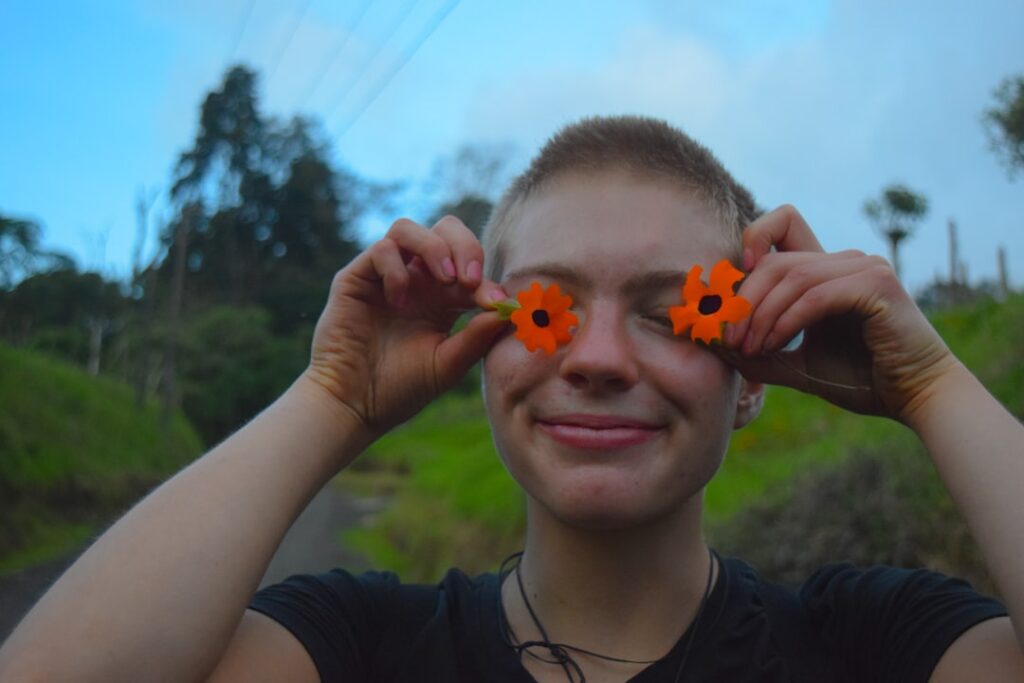
Featured image: Photo by Amélie Aronson on Unsplash.
History of Alopecia Areata Awareness Month
The roots of the observance reach back to 1981, when the National Alopecia Areata Foundation was founded in the United States to support people living with the condition and to advance research into its causes and treatment. In the years that followed, NAAF worked to bring national attention to a disease that had received little public recognition.
A landmark moment came in 1986, when President Ronald Reagan signed Proclamation 5586, designating the week beginning 7 December 1986 as National Alopecia Areata Awareness Week. This marked the first time the condition had been recognised at a national level, encouraging public events and programmes to help people understand alopecia areata.
Over the following decades the observance grew in scope. In the early 2000s the single awareness week expanded into a full month, and September became the established focus for awareness and fundraising. Today NAAF coordinates campaigns, community events, and its flagship Walk For Alopecia throughout September, building on more than four decades of advocacy. As with related observances such as National Hair Loss Awareness Month in August, the goal is to keep hair loss conditions in public view and to support those who live with them.
Hashtags
Help raise awareness by sharing Alopecia Areata Awareness Month with your friends, family, and followers. Use the hashtags #AlopeciaAwareness and #AlopeciaAwareness2026 on social media. The more people who understand alopecia areata, the bigger the impact for everyone living with the condition.
Frequently asked questions
When is Alopecia Areata Awareness Month?
What is Alopecia Areata Awareness Month?
More awareness days in September
See all → 16–22 SepWeek16 Sep to 22 SepWeekScience & TechnologyInternationalNational Coding Week 2026
 21 Sep – 4 OctWeek21 Sep to 4 OctWeekEducation & YouthUK, US, Australia and worldwideFairtrade Fortnight 2026
 1–30 SepMonth1 Sep to 30 SepMonthCancerAustraliaBlue September
 1–30 SepMonth1 Sep to 30 SepMonthSafety & PreventionUSRear Facing Awareness Month 2026