Benin – Independence Day
August 1
About Benin – Independence Day
Benin Independence Day is celebrated on 1 August each year and marks the West African nation’s freedom from French colonial rule in 1960. It is the country’s national day, a public holiday filled with parades, music, and reflection on a journey from colony to sovereign republic. The date commemorates the moment the territory then known as Dahomey took control of its own future.
The Story Behind Benin Independence Day
The land that is now Benin was home to powerful pre-colonial states, most famously the Kingdom of Dahomey, renowned for its highly organised army and its distinctive all-female military regiment. In 1894 France took control of the territory, incorporating it into French West Africa as the colony of French Dahomey. For more than six decades, the region was governed from afar as part of France’s wider African empire.
The path to independence accelerated after the Second World War, as movements for self-determination spread across the African continent. In 1958, France granted autonomy to the Republic of Dahomey within the French Community. Momentum continued, and on 11 July 1960 France formally agreed to full independence. That independence took effect on 1 August 1960, the date now celebrated each year.
The figure who led the country to independence was Hubert Maga, who became its first president. The early years of the new republic were turbulent, marked by rivalries between regional leaders and a series of coups. In 1975, following a Marxist-Leninist military takeover, the country was renamed the People’s Republic of Benin, taking its name from the Bight of Benin along its coast. Despite the upheavals of those decades, 1 August has remained the fixed anchor of national identity and pride.
When and Where is Benin Independence Day Celebrated?
Benin Independence Day falls on Saturday, 1 August 2026. It is observed throughout Benin as a national public holiday, with the largest official ceremonies traditionally held in the political capital, Porto-Novo, and the economic hub, Cotonou. Beninese communities and diaspora groups around the world also mark the occasion.
Traditions and Customs
Independence Day in Benin blends formal state ceremony with vibrant public celebration.
- Military and civic parades – Processions of armed forces, officials, and civic groups are a centrepiece of the day in the major cities.
- Presidential address – The head of state typically delivers a speech reflecting on the nation’s progress and challenges.
- Music and dance – Traditional drumming, dance, and contemporary Beninese music fill streets and gatherings.
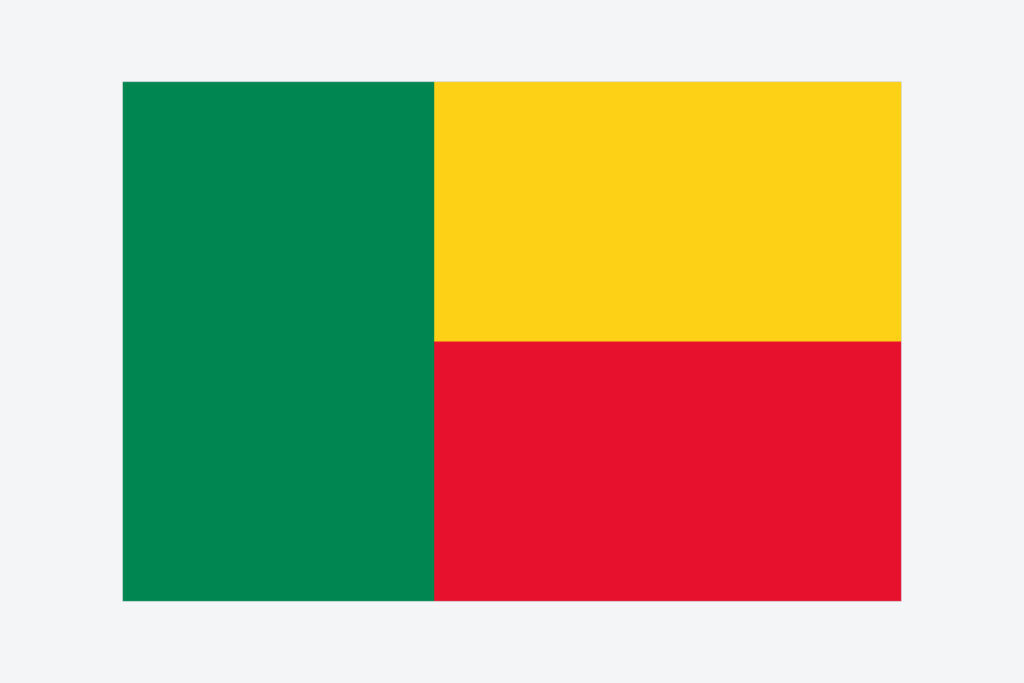
- Flag displays – The green, yellow, and red national flag is flown widely, its colours symbolising hope, savannah wealth, and the courage of ancestors.
- Family feasts – Households come together to share food, reinforcing the day as both a national and a family occasion.
Ways to Celebrate Benin Independence Day
Whether you are in Benin or marking the day from elsewhere, there are meaningful ways to take part.
- Learn about the Kingdom of Dahomey – Explore the rich pre-colonial history that shaped modern Benin.
- Cook a Beninese dish – Try staples such as pâte with a rich sauce, grilled fish, or akara bean fritters.
- Listen to Beninese music – Discover artists who have carried the country’s sound to a global audience.
- Support Beninese culture – Seek out art, literature, and crafts from the region to appreciate its creative heritage.
- Share the history – Tell friends and family the story of Dahomey’s independence and Benin’s later renaming.
- Attend a diaspora event – Many Beninese communities abroad host gatherings around the date.
Facts and Figures
- Benin gained independence from France on 1 August 1960, then under the name Dahomey.
- Hubert Maga served as the country’s first president.
- France had agreed to full independence on 11 July 1960, weeks before it took effect.
- The country was renamed from Dahomey to Benin on 30 November 1975.
- The name Benin comes from the Bight of Benin, the body of water along its southern coast.
Frequently Asked Questions
What is Benin Independence Day?
It is Benin’s national day, held on 1 August, marking the country’s independence from France in 1960, when it was still known as Dahomey.
When is Benin Independence Day in 2026?
It falls on Saturday, 1 August 2026.
Why was the country renamed from Dahomey to Benin?
Following a 1975 military coup that established a Marxist-Leninist government, the country was renamed the People’s Republic of Benin, taking its name from the nearby Bight of Benin.
Spread the Word
Share Benin Independence Day with your community using #BeninIndependenceDay and #BeninIndependenceDay2026. Whether you cook a Beninese meal or share the country’s history, every bit of awareness helps honour this national milestone.
Related Awareness Days
- Malawi Independence Day – Another African nation marking its freedom from colonial rule.
- Djibouti Independence Day – Celebrates the East African country’s independence and heritage.
- Barbados Independence Day – Honours a fellow nation’s path to sovereignty and cultural identity.
If you enjoy celebrating national heritage, you might also explore Malawi Independence Day, which shares Benin’s story of emerging from colonial rule into self-governance.
Links

2026 Awareness Days Wall Planner
Every key awareness day at a glance. Perfect for offices, staff rooms, and team planning.
View Calendar →