

Lughnasa 2027
Sunday 1 August 2027 · every year on 1 August
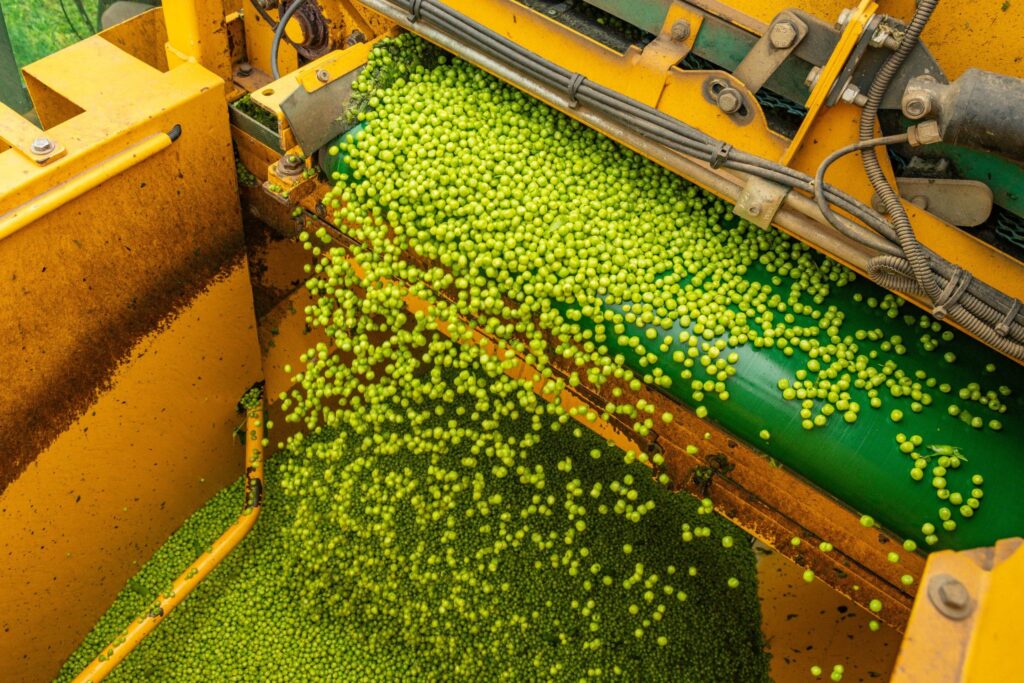
Lughnasa is one of the four great Gaelic seasonal festivals, marking the beginning of the harvest season on 1 August.
Also on 1 August: Yorkshire Day · World Breastfeeding Week · Psoriasis Awareness/ Psoriasis Action Month
The Story Behind Lughnasa
Lughnasa 2026 was on Saturday 1 August 2026. The next Lughnasa is on Sunday 1 August 2027.
Lughnasa is one of the four great Gaelic seasonal festivals, marking the beginning of the harvest season on 1 August. Also spelled Lughnasadh and known in its Christian form as Lammas, it honours the Celtic god Lugh and celebrates the gathering of the first grain. In 2027 it falls on Sunday 1 August.
Lughnasa takes its name from Lugh, one of the most prominent gods of Irish mythology, a master of many skills associated with craftsmanship, light, and kingship. According to legend, Lugh established the festival as a funeral feast and series of athletic games in honour of his foster mother, Tailtiu. She was said to have died of exhaustion after clearing the plains of Ireland so that the land could be farmed. The festival was therefore both a thanksgiving for the harvest and a commemoration of the labour that made agriculture possible.
Historically, Lughnasa was observed across Ireland, Scotland, and the Isle of Man, falling roughly halfway between the summer solstice and the autumn equinox. It was one of the cross-quarter days that structured the Gaelic year, alongside Samhain, Imbolc, and Beltane. The festival originally included the Tailteann Games, a gathering of athletic contests, trading, matchmaking, and the settling of legal disputes that drew people from across the country.
With the spread of Christianity, the festival merged with the church observance of Lammas, from the Old English “hlafmaesse” or “loaf mass”. Loaves baked from the first ripened wheat were brought to church and blessed on or around 1 August. The older Gaelic customs and the newer Christian rites coexisted for centuries, and many harvest traditions survive in rural communities to this day.
When and Where is Lughnasa Celebrated?
Lughnasa is celebrated on 1 August each year, which in 2027 is a Saturday. Some communities mark it on the nearest Sunday or across the surrounding weekend. It is observed throughout Ireland, Scotland, the Isle of Man, and increasingly by modern Pagans, Druids, and people with Celtic heritage around the world. Equivalents exist in Wales as Gwyl Awst and in England as Lammas.
Plan around Lughnasa and every key date in August
Content planning tools and templates for 2027: editorial calendars, Google Sheets, Excel, calendar feeds and printable calendars. The rest of 2026 is included.
Traditions and Customs
Lughnasa is rich in folk customs tied to the land and the harvest:
- Baking the first loaf – Bread made from the season’s first grain is baked, shared, and in Christian tradition brought to church to be blessed, giving the festival its Lammas name.
- Climbing hills and mountains – Communities traditionally climbed local peaks to gather bilberries and bury offerings of flowers or corn, an occasion still known in places as Mountain Sunday or Reek Sunday.
- The Puck Fair – Held in Killorglin, County Kerry, this ancient fair crowns a wild mountain goat as King Puck for three days, a survival of Lughnasa traced back to at least the 16th century.
- Corn dollies – Figures woven from the last sheaves of grain were kept to preserve the spirit of the harvest through winter.
- Feasting and games – Communities gathered for shared meals, athletic contests, music, and matchmaking, echoing the original Tailteann Games.
Ways to Celebrate Lughnasa
You can mark the first harvest in ways both old and new:
- Bake fresh bread – Bake a loaf from scratch and share it with family or neighbours to honour the grain harvest at the heart of the festival.
- Visit a farmers’ market – Seek out seasonal produce and support local growers as the first crops come in.
- Take a hilltop walk – Follow the tradition of climbing to high ground, perhaps picking late-summer berries along the way.
- Hold a harvest feast – Gather friends for a meal built around seasonal vegetables, grains, and fruit.
- Make a corn dolly – Try the old craft of weaving wheat stalks into a keepsake.
- Learn the mythology – Read about Lugh and Tailtiu to connect with the deeper roots of the day. If you enjoy seasonal traditions, you might also like St John’s Day (Midsummer), another festival rooted in the turning of the year.
Facts and Figures
- Lughnasa is one of four cross-quarter Gaelic festivals, with Samhain, Imbolc, and Beltane.
- The name derives from the god Lugh and “nasad”, meaning an assembly or festival held in someone’s honour.
- The Puck Fair in Killorglin has been documented since at least the 16th century and is one of Ireland’s oldest surviving fairs.
- “Lammas” comes from the Old English “hlafmaesse”, meaning loaf mass, referring to the blessing of bread from the first grain.
- The Tailteann Games were said in legend to predate the ancient Olympic Games, though their true age is uncertain.
Hashtags
Links




Frequently asked questions
What is Lughnasa?
Lughnasa is a Gaelic festival marking the start of the harvest season on 1 August. It honours the god Lugh and his foster mother Tailtiu, and in its Christian form is known as Lammas, the festival of the first loaf.
When is Lughnasa in 2027?
Lughnasa falls on Sunday 1 August 2027. It is celebrated on the same date every year.
Is Lughnasa the same as Lammas?
They share the same date and harvest theme but have different roots. Lughnasa is the older Gaelic festival honouring the god Lugh, while Lammas is the Christian observance that blesses bread baked from the first grain. Over time the two became closely linked.
More awareness days in August
See all → 8 Aug8 AugSundayAnimals & WildlifeUK, US, Australia and worldwideInternational Cat Day 2027
 19 Aug19 AugThursdayArts & Culture AwarenessInternationalWorld Photography Day 2027
 19 Aug19 AugThursdayCommunityInternationalWorld Humanitarian Day 2027
 23 Aug – 6 SepWeek23 Aug to 6 SepWeekSeasonalInternationalBack to School 2027
 26 Aug26 AugThursdayAnimals & WildlifeInternationalNational Dog Day 2027
 30 Aug30 AugMondaySeasonalUKUK Summer Bank Holiday
 1–31 AugMonth1 Aug to 31 AugMonthAugust Awareness DaysUSNational Traffic Awareness Month 2027
 1–31 AugMonth1 Aug to 31 AugMonthCommunityUSChild Support Awareness Month