

Burundi Independence Day 2026
Wednesday 1 July 2026
Burundi Independence Day is the national day of the Republic of Burundi, marked every year on 1 July.
Also on 1 July: Create Week · Hong Kong – Establishment Day · Somalia – Independence Day
The Story Behind Burundi Independence Day
Burundi Independence Day is the national day of the Republic of Burundi, marked every year on 1 July. It commemorates the country’s independence from Belgian administration in 1962, when the territory then known as Ruanda-Urundi was divided and Burundi emerged as a sovereign state. The day is a public holiday across Burundi and is observed with parades, drumming, speeches, and cultural celebrations.
For centuries before European arrival, Burundi existed as a powerful and well-organised kingdom in the Great Lakes region of East Africa, ruled by a mwami, or king, whose authority was bound up with the land, cattle, and the rhythms of royal drumming. That long history of self-rule shapes how Burundians understand their independence day: not as the birth of a nation, but as the recovery of sovereignty that had been interrupted by colonial control.
European domination began in the 1890s, when the kingdom was absorbed into German East Africa alongside neighbouring Rwanda and what is now mainland Tanzania. After Germany’s defeat in the First World War, Belgium took over the western portion of the former German colony. In 1924 the combined territory of Ruanda-Urundi became a Belgian mandate under the League of Nations, and later a United Nations trust territory after the Second World War. Throughout this period, Belgium governed indirectly, leaning on existing royal and aristocratic structures while reshaping local society in ways that would have lasting consequences.
The push for independence gathered pace in the late 1950s. In 1959, King Mwami Mwambutsa IV pressed for independence and for the dissolution of the union with Rwanda. Nationalist politics crystallised around Prince Louis Rwagasore, son of the king and a unifying figure who founded the UPRONA party and campaigned for a Burundi that transcended ethnic and regional division. Rwagasore’s assassination in 1961, shortly after leading his party to a decisive election victory, was a profound blow, and he is honoured today as a national hero. Despite his loss, the country pressed forward, and on 1 July 1962 Burundi formally became independent, adopting its own name and continuing as a constitutional monarchy under Mwambutsa IV. Burundi joined the United Nations on 18 September that same year.
When and Where is Burundi Independence Day Celebrated?
Burundi Independence Day falls on a fixed date, 1 July, every year. In 2026 it is observed on Wednesday, 1 July. As the date never changes, it is straightforward to plan around, and it is recognised as an official public holiday throughout the country. Celebrations are concentrated in Bujumbura, the economic capital and largest city on the shore of Lake Tanganyika, and in Gitega, which became the political capital in 2019. Burundian communities and embassies around the world also mark the occasion, making it a day observed well beyond the country’s borders.
Plan around Burundi Independence Day and every key date in July
The Awareness Days Toolkit puts every awareness day for 2026 and 2027 in a spreadsheet, printable PDF calendars and an iCal feed that keeps itself up to date.
Traditions and Customs
The day blends solemn state ceremony with vibrant cultural display. Common observances include:
- Royal drumming performances – The ceremonial drummers of Burundi, whose ritual dance was inscribed on UNESCO’s list of intangible cultural heritage in 2014, are central to national celebrations. Their thunderous synchronised drumming is one of the most recognisable symbols of Burundian identity.
- Military parades and flag ceremonies – The day typically opens with flag-raising, marching bands, and parades, expressing national unity and remembering those who fought for freedom.
- Wreath-laying and remembrance – Officials lay wreaths to honour the founders of the independent state, including the national hero Prince Louis Rwagasore.
- Presidential addresses – National leaders deliver speeches reflecting on the country’s journey, its achievements, and the challenges ahead.
- Cultural performances and markets – Public squares fill with music, traditional dance, and storytelling, while vendors sell flags, crafts, and local food, turning the day into a community celebration.
Ways to Celebrate Burundi Independence Day
Whether you are Burundian, part of the diaspora, or simply interested in African history and culture, there are many ways to mark the occasion:
- Learn about Burundi’s history – Read about the kingdom, the colonial period, and the road to independence to understand the meaning behind the date.
- Listen to the Royal Drummers – Seek out recordings or performances of Burundi’s drumming tradition, a globally celebrated art form rooted in royal ritual.
- Cook Burundian food – Try grilled brochettes, plantains, beans, or fish from Lake Tanganyika to bring a taste of the country to your table.
- Display the flag – Burundi’s flag, with its distinctive white saltire, red and green fields, and three central stars, makes a striking centrepiece for any celebration.
- Support Burundian causes – Burundi is one of the world’s lower-income countries, and the day is a good moment to learn about and support organisations working there.
- Share the day online – Use the occasion to introduce others to Burundi’s culture, music, and history through your own social channels.
Facts and Figures
- Burundi became independent on 1 July 1962, the same day as neighbouring Rwanda, when the Belgian trust territory of Ruanda-Urundi was divided.
- Burundi joined the United Nations on 18 September 1962, just over two months after independence.
- The country is one of the most densely populated in Africa, with well over 10 million people living in an area of roughly 27,834 square kilometres.
- Gitega replaced Bujumbura as the political capital in 2019, while Bujumbura remains the economic capital and largest city.
- Burundi’s ritual dance of the royal drum was added to UNESCO’s Representative List of the Intangible Cultural Heritage of Humanity in 2014.
Hashtags
Links





Frequently asked questions
What is Burundi Independence Day?
It is the national day of Burundi, marking the country’s independence from Belgian administration on 1 July 1962. It is a public holiday celebrated with parades, drumming, and cultural events.
When is Burundi Independence Day in 2026?
It falls on Wednesday, 1 July 2026. The date is fixed and does not change from year to year.
Who did Burundi gain independence from?
Burundi gained independence from Belgium, which had administered the territory of Ruanda-Urundi as a League of Nations mandate and later a United Nations trust territory. On independence, Ruanda-Urundi was split into the separate states of Burundi and Rwanda.
More awareness days in July
See all → 1–7 JulWeek1 Jul to 7 JulWeekArts & CultureInternationalCreate Week 2026
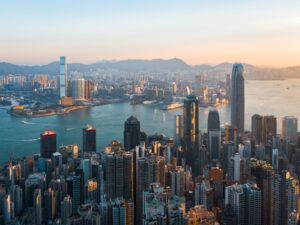 1 Jul1 JulWednesdayGlobal & NationalInternationalHong Kong – Establishment Day
 1 Jul1 JulWednesdayArts & CultureInternationalJuly Morning
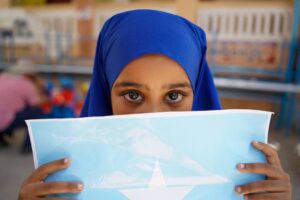 1 Jul1 JulWednesdayGlobal & NationalInternationalSomalia – Independence Day
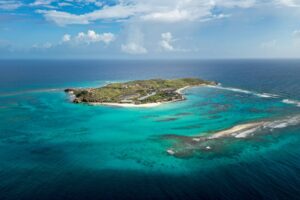 1 Jul1 JulWednesdayArts & CultureInternationalBritish Virgin Islands – Virgin Islands Day
 1 Jul1 JulWednesdayArts & CultureUSBlink-182 Day
 1 Jul1 JulWednesdayHealth & WellbeingInternationalNational Baby-Led Weaning Day
 1 Jul1 JulWednesdayBusiness & FinanceUSNational Financial Freedom Day