

National Baby-Led Weaning Day 2026
Wednesday 1 July 2026
National Baby-Led Weaning Day takes place every year on 1 July.
Also on 1 July: Create Week · Hong Kong – Establishment Day · Somalia – Independence Day
What is National Baby-Led Weaning Day?
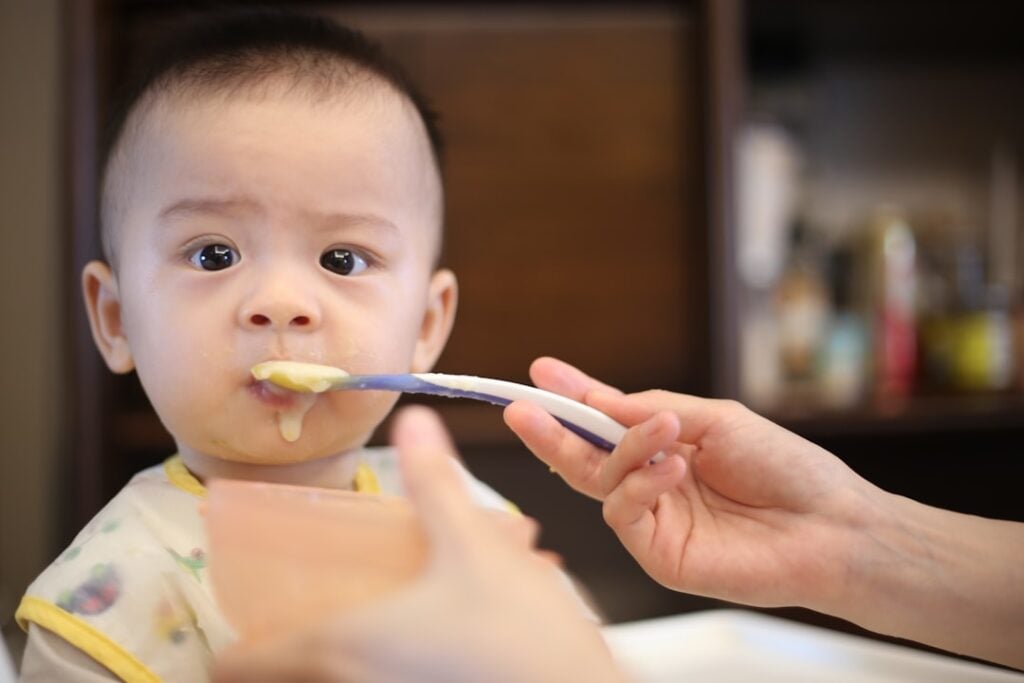
National Baby-Led Weaning Day takes place every year on 1 July. It encourages parents and caregivers to learn about baby-led weaning, an approach to introducing solid foods in which babies feed themselves soft, age-appropriate finger foods rather than being spoon-fed purées. The day was created to raise awareness of safe complementary feeding and to remind families that infants are generally ready for solid foods at around six months of age.
National Baby-Led Weaning Day is an annual awareness day that highlights baby-led weaning (often shortened to BLW) as an approach to starting solids. Rather than being fed smooth purées from a spoon, babies are offered safe, soft, graspable pieces of family food and allowed to explore, pick up and eat at their own pace. The day was established by Katie Ferraro, a registered dietitian and nutrition professor in the United States, who promotes the method through her platforms and podcast. While the awareness day has American origins, the practice itself is recognised internationally, with infant-feeding guidance from bodies such as the NHS in the United Kingdom acknowledging self-feeding as a valid way to introduce solids.
When is National Baby-Led Weaning Day?
National Baby-Led Weaning Day falls on Wednesday, 1 July 2026. It is observed on the same fixed date every year. The first of July was chosen deliberately because it marks the exact halfway point of the calendar year, a symbolic nod to the recommendation that babies have nothing but breast milk or infant formula for roughly their first six months before solid foods are introduced.
Plan around National Baby-Led Weaning Day and every key date in July
The Awareness Days Toolkit puts every awareness day and key date for 2027, filled in: a Google Sheet that refreshes itself, Excel, printable PDF calendars and a calendar feed. The rest of 2026 is included.
Why National Baby-Led Weaning Day Matters
Starting solid foods is one of the biggest milestones in a baby’s first year, and it can be a source of real anxiety for parents. National Baby-Led Weaning Day matters because it gives families a clear, evidence-informed entry point into a method that many find practical and enjoyable. Research into baby-led weaning suggests it may help babies develop hand-eye coordination, chewing and self-regulation, allowing them to stop eating when they feel full. The NHS notes that introducing a wide variety of family foods early can help reduce fussy eating later on. The day also serves an important safety function: by anchoring itself to the six-month mark, it reinforces the message that solids should not be started too early, before a baby is developmentally ready to sit up, hold their head steady and bring food to their mouth.
How to Get Involved in National Baby-Led Weaning Day
There are plenty of ways to mark the day, whether you are a parent, a caregiver or a health professional:
- Read up on the basics – Spend time learning what baby-led weaning involves and how it differs from spoon-feeding, so you can decide what suits your family and your baby.
- Check the readiness signs – Look for the key signs that a baby is ready for solids: being able to sit up and hold their head steady, coordinating eyes, hands and mouth, and being able to pick up food and move it to their mouth.
- Prepare safe first foods – Offer soft, finger-sized pieces of food that can be squashed between your fingers, such as cooked vegetable batons, soft fruit or strips of toast.
- Learn the difference between gagging and choking – Gagging is a normal, protective reflex as babies learn to manage food. Knowing how to tell it apart from choking helps parents stay calm and confident.
- Take an infant first-aid course – Booking a paediatric first-aid session, especially one covering choking, is one of the most useful things any caregiver can do before starting solids.
- Always supervise mealtimes – Make sure a baby is upright and never left alone while eating, and that an adult is always present.
- Share your journey – Post photos and tips on social media to encourage other parents and help reduce some of the worry around starting solids.
- Ask a professional – Speak to a health visitor, GP, paediatrician or registered dietitian if you have questions, particularly around allergies, premature birth or any medical concerns.
History of National Baby-Led Weaning Day
The concept of baby-led weaning was popularised in the mid-2000s, largely through the work of Gill Rapley, a former health visitor and midwife in the United Kingdom whose research and writing helped bring the term into mainstream parenting vocabulary. Her work argued that babies are capable of feeding themselves when developmentally ready, and that self-feeding supports the natural progression of motor and oral skills.
National Baby-Led Weaning Day itself is a more recent creation. It was established on 1 July 2021 by Katie Ferraro, a registered dietitian and assistant clinical professor of nutrition based in the United States. Ferraro built a large online following teaching parents how to start solids safely using the baby-led approach, and she chose the first of July precisely because it sits six months into the year, mirroring the recommended age for introducing solid foods.
Since its launch, the day has gained traction across social media, parenting communities and infant-nutrition circles. Each year it prompts a wave of recipes, safety reminders and shared experiences from families around the world, helping to normalise self-feeding as one of several valid ways to begin a baby’s relationship with food.
Noteworthy Facts About National Baby-Led Weaning Day
- The day was founded in 2021 by registered dietitian Katie Ferraro and is observed annually on 1 July.
- 1 July was chosen because it falls exactly six months into the calendar year, echoing the around-six-months guidance for starting solids.
- The wider baby-led weaning movement is closely associated with former UK health visitor Gill Rapley, who helped popularise the term in the 2000s.
- The NHS advises that babies should start solid foods at around six months, whether through self-feeding or spoon-feeding.
- Research suggests baby-led weaning may support self-regulation of appetite, potentially helping babies learn to stop eating when they are full.
- Gagging is a normal reflex during weaning and is distinct from choking, which is why supervision and infant first-aid knowledge are so strongly encouraged.
Hashtags
Links


Frequently asked questions
What is National Baby-Led Weaning Day?
It is an annual awareness day, held on 1 July, that promotes baby-led weaning: an approach to introducing solids in which babies feed themselves soft finger foods rather than being spoon-fed purées. It aims to support safe, confident complementary feeding.
When is National Baby-Led Weaning Day in 2026?
National Baby-Led Weaning Day is on Wednesday, 1 July 2026. It is observed on 1 July every year.
Who started National Baby-Led Weaning Day?
The day was established in 2021 by Katie Ferraro, a registered dietitian and nutrition professor in the United States. The baby-led weaning method it promotes was popularised earlier by UK health visitor Gill Rapley.
At what age can babies start baby-led weaning?
Guidance from bodies such as the NHS recommends introducing solids at around six months, once a baby can sit up, hold their head steady and bring food to their mouth. Always speak to a health professional if you are unsure.
More awareness days in July
See all → 1 Jul1 JulWednesdayBusiness & FinanceUSNational Financial Freedom Day
 1–7 JulWeek1 Jul to 7 JulWeekArts & CultureInternationalCreate Week 2026
 1 Jul1 JulWednesdayGlobal & NationalInternationalHong Kong – Establishment Day
 1 Jul1 JulWednesdayArts & CultureInternationalJuly Morning
 1 Jul1 JulWednesdayGlobal & NationalInternationalSomalia – Independence Day
 1 Jul1 JulWednesdayArts & CultureInternationalBritish Virgin Islands – Virgin Islands Day
 1 Jul1 JulWednesdayArts & CultureUSBlink-182 Day1Jul1 Jul1 JulWednesdayGlobal & NationalInternationalBurundi Independence Day