- This event has passed.
Côte d’Ivoire – Independence Day
August 7
About Côte d’Ivoire – Independence Day
Côte d’Ivoire Independence Day falls on 7 August each year and marks the date in 1960 when the West African nation broke away from French colonial rule to become a sovereign state. In 2026 it is observed on Friday, 7 August. The day is a national public holiday and the most significant patriotic occasion in the Ivorian calendar, honouring the country’s founding and its first president, Félix Houphouët-Boigny.
The Story Behind Côte d’Ivoire Independence Day
The roots of Ivorian independence reach deep into the era of French West Africa. France established a colonial presence along the Gulf of Guinea during the late nineteenth century, and in 1893 Côte d’Ivoire was formally declared a French colony. For decades the territory was governed from afar, its economy shaped around cash crops such as cocoa, coffee and timber that flowed back to France. Forced labour and the absence of political rights bred growing discontent among Ivorians through the first half of the twentieth century.
A turning point came with the rise of Félix Houphouët-Boigny, a wealthy cocoa planter, trained physician and traditional chief from the village of Yamoussoukro. In 1944 he helped found the Syndicat Agricole Africain to defend the interests of African farmers, and the following year he was elected to the French Constituent Assembly. His campaign helped bring an end to forced labour in French Africa in 1946, the same year Côte d’Ivoire became an overseas territory of the new Fourth French Republic with its own assembly and representation in Paris.
Reform accelerated through the 1950s. In 1958, under the framework of the French Community, Côte d’Ivoire became a self-governing autonomous republic. Full sovereignty followed two years later. On 7 August 1960, Houphouët-Boigny proclaimed the independence of the Republic of Côte d’Ivoire during a solemn session, and he was duly elected its first president. He would remain in office for 33 years until his death in 1993, presiding over a period of remarkable economic growth that earned the country the nickname of the “Ivorian miracle” and made it the world’s leading cocoa producer.
When and Where is Côte d’Ivoire Independence Day Celebrated?
Independence Day is observed on a fixed date, 7 August, every year. In 2026 it falls on a Friday. As the date never changes, it is straightforward to plan around, though the scale and location of the official ceremonies vary from year to year. The principal celebration is a state event, with the host city rotating between major centres. Yamoussoukro, the political capital and Houphouët-Boigny’s birthplace, has traditionally hosted the festivities, while recent anniversaries have been staged in cities such as Abidjan, Bouaké and the historic seaside town of Grand-Bassam. The day is marked by Ivorian communities at home and across the diaspora in France, the United States, the United Kingdom and beyond.
Traditions and Customs
The day blends military pageantry with cultural celebration, reflecting both national pride and the country’s rich ethnic heritage.
- The grand military parade – The centrepiece of the day is a large parade of the defence and security forces. The 65th anniversary parade in 2025 featured around 4,900 personnel marching along a central boulevard, joined by detachments from partner nations and overflown by reconnaissance helicopters.
- Presidential address – The head of state delivers a national message, reflecting on the nation’s achievements, challenges and aspirations for unity and development.
- Cultural performances – The National Ballet of Côte d’Ivoire and other troupes present traditional music and dance, showcasing the customs of the country’s many ethnic groups.
- Local festivities and rallies – Beyond the main ceremony, regional governments host their own events, and families gather for private parties, street celebrations and community gatherings.
- Displaying the national flag – The orange, white and green tricolour is flown widely, with the colours symbolising the northern savannah, peace, and the forests of the south.
Ways to Celebrate Côte d’Ivoire Independence Day
Whether you are Ivorian, part of the diaspora, or simply curious about West African history, there are many ways to mark the occasion.
- Cook an Ivorian dish – Prepare a classic such as attiéké with grilled fish, kedjenou chicken, or aloko fried plantain to bring the flavours of the country to your table.
- Learn the country’s history – Read about Houphouët-Boigny and the path to independence to understand the people and events behind the date.
- Wear the national colours – Show solidarity by sporting orange, white and green, the colours of the Ivorian flag.
- Explore Ivorian music – Listen to genres such as zouglou and coupé-décalé, which originated in Côte d’Ivoire and have travelled across the continent.
- Support Ivorian producers – Choose ethically sourced chocolate or coffee, mindful of the millions of Ivorian farmers behind these global commodities.
- Attend a diaspora event – Many Ivorian communities abroad organise gatherings, concerts and cultural showcases around the date.
Facts and Figures
- Côte d’Ivoire gained full independence from France on 7 August 1960, with Félix Houphouët-Boigny as its first president.
- Houphouët-Boigny led the country for 33 years until his death in 1993, one of the longest tenures of any post-independence African leader.
- The nation is the world’s largest cocoa producer, supplying around 45% of global cocoa, having overtaken Ghana in 1978.
- Its population stands at roughly 31.7 million, with French as the official language alongside dozens of local tongues.
- Yamoussoukro is the official political capital, while Abidjan serves as the bustling economic hub with a metro area home to several million people.
Frequently Asked Questions
What is Côte d’Ivoire Independence Day?
It is the national day commemorating Côte d’Ivoire’s independence from France, proclaimed on 7 August 1960. It celebrates the founding of the republic and its first president, Félix Houphouët-Boigny, with parades, ceremonies and cultural festivities.
When is Côte d’Ivoire Independence Day in 2026?
It falls on Friday, 7 August 2026. The date is fixed and observed on the same day every year as a national public holiday.
Who led Côte d’Ivoire to independence?
Félix Houphouët-Boigny, a cocoa planter, physician and political leader, guided the country to sovereignty and became its first president, governing from 1960 until 1993.
Spread the Word
Share Côte d’Ivoire Independence Day with your community using #CoteDIvoire and #IndependenceDay2026. Whether you mark the occasion by cooking an Ivorian meal, flying the national colours, or sharing the country’s story, every bit of awareness helps celebrate this proud West African nation. You might also enjoy reading about Madagascar Independence Day, another former French territory that won its sovereignty in 1960.
Related Awareness Days
- Mozambique Independence Day – Marks another African nation’s break from European colonial rule, celebrated each June.
- Madagascar Independence Day – Commemorates Madagascar’s independence from France, also achieved in 1960.
- Democratic Republic of the Congo Independence Day – Another milestone from the wave of African independence movements of 1960.
Links
- Visit the official Government of Côte d’Ivoire website
- Explore more awareness days at AwarenessDays.com
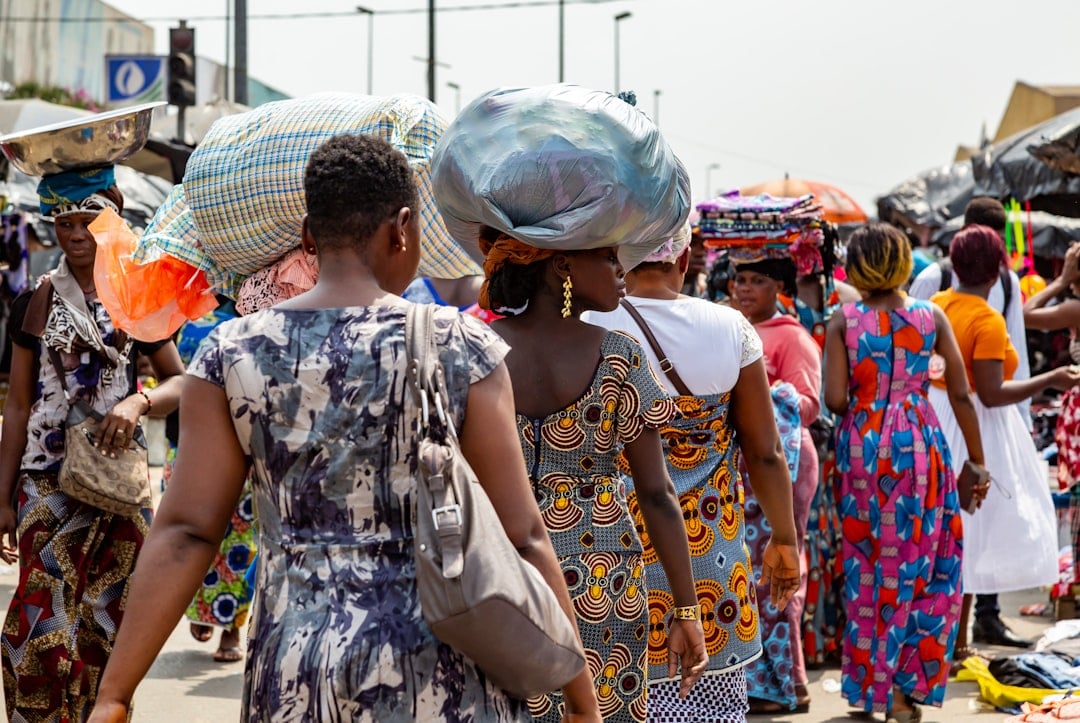
Featured image: Photo by Eva Blue on Unsplash.







2026 Awareness Days Wall Planner
Every key awareness day at a glance. Perfect for offices, staff rooms, and team planning.
View Calendar →