CalendarAwareness campaign
International Literacy Day
Wednesday 8 September 2027
ConfirmedDate confirmed with unesco.org, checked 18 November 2026.
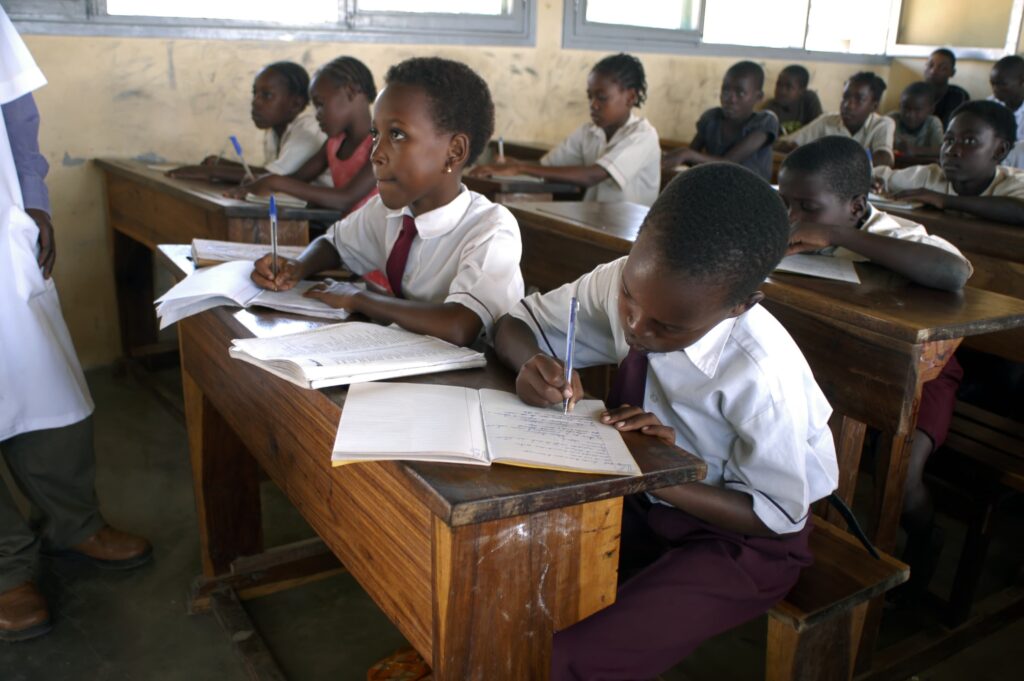
A UNESCO observance celebrating the power of reading and writing and highlighting the gaps in literacy that remain around the world.
- Rule
- 8 September every year
- Length
- One day
- Type
- Awareness campaign
- About
- Education
- Standing
- Official United Nations observance
- Run by
- UNESCO
- Observed in
- Worldwide
- Search rank among awareness campaigns
- UK: 103rd of 618 · US: 97th of 618
- Official website
- unesco.org
- Official hashtag
- #LiteracyDay
Download the 2027 template Get the data Every date on this site as an editable calendar, or as an API and data feed.
When interest builds
Interest starts around 31 August, 8 days out. Half of it has arrived by 7 September.
How big it is
- US31%
- India16%
- South Africa11%
- Canada9%
- UK9%
Dates by year
| 2026 | Tuesday 8 September 2026 |
|---|---|
| 2027 | Wednesday 8 September 2027 |
| 2028 | Friday 8 September 2028 |
About International Literacy Day
International Literacy Day is observed annually on September 8 to celebrate the power of reading and writing while shining a light on the gaps that still remain. It’s a day to champion learning, advocate for educational access, and recognise literacy’s central role in shaping inclusive, equitable and thriving societies.
What is International Literacy Day?
This UNESCO-led observance highlights that literacy is more than decoding letters and words. It is a gateway to opportunity, empowerment and social justice. While billions have gained access to basic education in recent decades, many people around the world still lack foundational reading and writing skills, and millions more struggle to keep up in a rapidly digitalising world. International Literacy Day brings together educators, learners, policymakers and communities to promote innovative strategies for literacy in all its forms.
When is International Literacy Day?
International Literacy Day is celebrated every year on September 8. The date marks UNESCO’s first intergovernmental conference on literacy in 1966. Each year brings a theme that reflects current priorities – from literacy in the digital age to education for gender equality. Schools, libraries, non-profits and governments use this day to host reading campaigns, digital learning demonstrations, training workshops and book festivals.
Why International Literacy Day Matters
Literacy is the foundation upon which learning and opportunity are built. For individuals, literacy means improved health awareness, better employment potential, stronger self-confidence and active citizenship. For communities, it fosters social inclusion, economic growth and peaceful engagement.
Yet global literacy remains uneven. Low-literate adults face higher unemployment, lower income and diminished civic participation. Girls and women in many regions continue to face barriers to education. And in the digital age, new forms of literacy – information, financial, legal and digital – are essential to navigate everyday life.
How to Get Involved in International Literacy Day
Anyone who cares about learning can join this global effort. Here are concrete ways to take part:
- Volunteer: Join or start a local reading programme – whether in schools, libraries or community centres.
- Donate books: Supply new or gently used books to underserved schools, refugee communities or care facilities.
- Organise a reading event: Host a story hour, author talk or literary workshop to spark interest in reading.
- Promote digital skills: Support or teach courses on basic computer use, online research or digital safety.
- Advocate for policy: Ask leaders to invest in adult literacy, inclusive curricula and gender-equal education systems.
- Read aloud: Bring a group reading experience to schools, care homes or virtual communities and share the joy of words.
History of International Literacy Day
The United Nations Educational, Scientific and Cultural Organization (UNESCO) established International Literacy Day in 1966 following its first global literacy conference. The aim was to mobilise governments and civil society to ensure literacy for all. Since then, the day has spotlighted global progress and remaining challenges – from eradicating illiteracy to adapting education for a digital world.
Over time the focus has widened. It now includes not only reading and writing but also digital literacy, cultural literacy, media literacy and health literacy. As societies evolve, so does our understanding of what literacy really means and what learners need to thrive.
Noteworthy Facts About International Literacy Day
- The global adult literacy rate rose from approximately 56 percent in 1950 to around 86 percent today – but over 750 million adults still lack basic reading and writing skills.
- About 60 percent of the world’s illiterate people are women – highlighting persistent gender gaps in education access.
- UNESCO themes have addressed challenges like learning through emergencies, literacy in electronic forms and intergenerational literacy.
- Hundreds of community reading festivals, digital training events and skill exchanges take place each year to bring literacy alive.
- In 2026, the focus is on “Literacy for a World in Transition,” highlighting climate literacy, digital inclusion and lifelong learning.
Links
- UNESCO – International Literacy Day official page
- UNESCO Institute for Statistics – Literacy data
- International Literacy Day overview
Last reviewed: 2026-09-09. Date rolled to 2027-09-08 (fixed annual date, UNESCO). 2026 theme noted as historical. Changelog added.
Related awareness days
- Malala DayAwareness campaignConfirmed
- World Youth Skills DayAwareness campaignConfirmed
- National Library Card Sign-up MonthAwareness campaignConfirmed
- European Day of LanguagesAwareness campaignCross-checked
- Manufacturing DayAwareness campaignConfirmed
- World Dyslexia Awareness DayAwareness campaignConfirmed
More from the calendar
September awareness daysInternationalEducation & Youth AwarenessFull calendar
From the Almanac
Record 68152. Guide last edited 28 September 2026. Spotted a wrong date? Tell us and we will check it with the organiser.
Get this record as data