- This event has passed.
St John’s Day (Midsummer)
June 24
About St John’s Day (Midsummer)
St John’s Day, also known as the Nativity of John the Baptist or Midsummer, falls on 24 June each year. It is one of the oldest fixed feast days in the Christian calendar and is celebrated as a national holiday in countries including Spain, Portugal, Estonia, Latvia, Finland, and Quebec. The day blends Christian and pre-Christian midsummer traditions and is marked by bonfires, feasting, and outdoor festivities.
The Story Behind St John’s Day
St John’s Day commemorates the birth of John the Baptist, cousin of Jesus and the prophet who, according to the Gospels, baptised him in the River Jordan. According to the Gospel of Luke, John was born six months before Jesus, and the early Christian Church fixed his nativity on 24 June, exactly six months before Christmas on 25 December. It is one of only three saints’ birthdays celebrated in the Western liturgical calendar, alongside the births of Jesus and the Virgin Mary, since most saints’ days commemorate the day they died.
The feast was established by the undivided Christian Church in the fourth century AD, at a time when missionaries were spreading the faith into northern Europe. In the Roman calendar, 24 June was the date traditionally associated with the summer solstice, the longest day of the year. As Christianity spread, it absorbed and reframed many of the existing midsummer celebrations, and the feast of St John the Baptist became layered with older fire festivals, herb-gathering rituals, and water blessings that were once dedicated to pre-Christian gods. The combination is why St John’s Day is so closely tied to Midsummer across much of Europe.
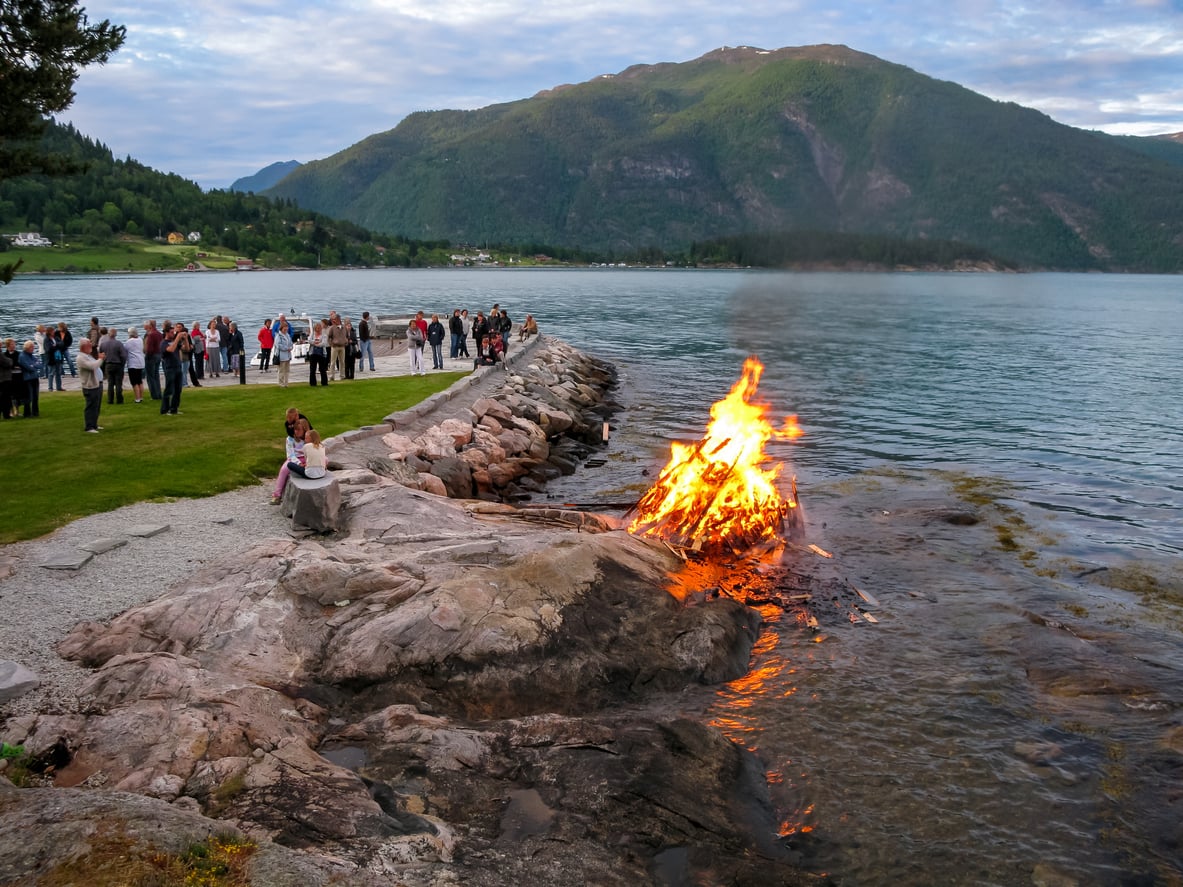
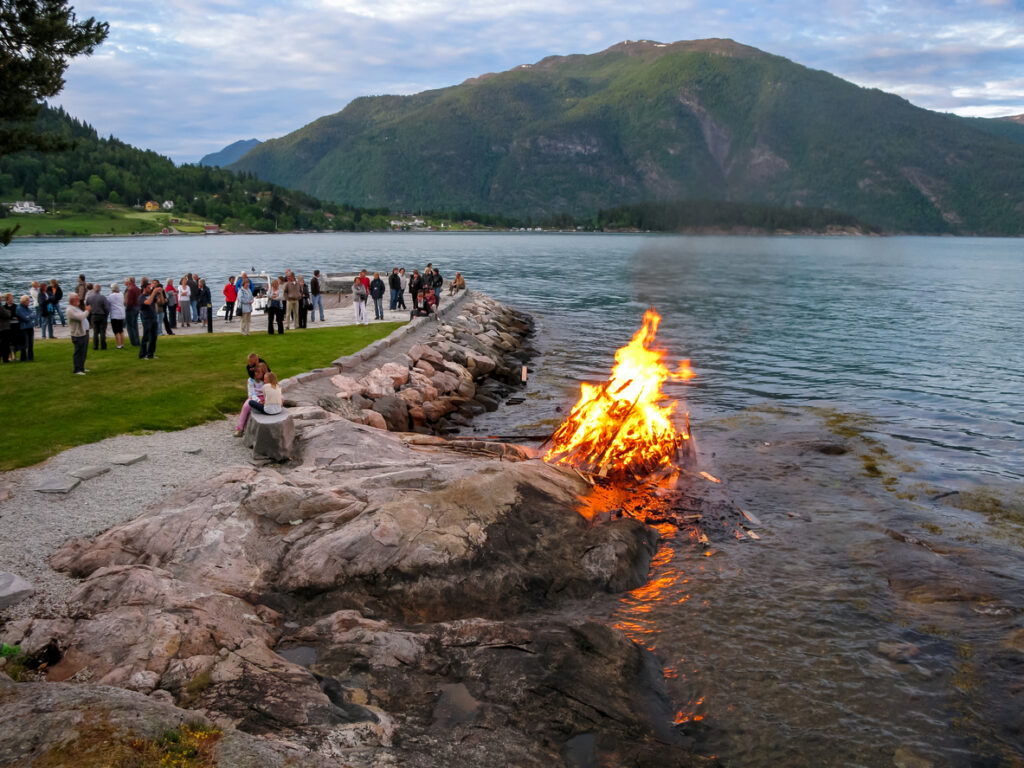
The night before the feast, Saint John’s Eve, became a celebration in its own right. Across Catholic and Eastern Orthodox Europe, communities lit huge bonfires, known as the Fires of Saint John, on the evening of 23 June. Young people would jump over the flames for luck, herbs gathered on this night were said to have special properties, and water blessed on the eve was used in healing rituals. Many of these traditions continue today, sometimes with elaborate municipal celebrations and sometimes as small village customs.
When and Where is St John’s Day Celebrated?
St John’s Day falls on 24 June every year. In 2026 it is observed on Wednesday 24 June, with St John’s Eve on Tuesday 23 June. It is a public holiday in Quebec (Fête nationale), Catalonia, Andorra, Estonia, Latvia, and several Spanish and Portuguese cities. In Finland, Sweden, and Denmark, the closely related Midsummer’s Eve and Midsummer’s Day are observed on the Friday and Saturday between 19 and 26 June. The official hashtag is #StJohnsDay or #Midsummer.
Traditions and Customs
The way St John’s Day is marked varies enormously from one country to another, but a handful of traditions appear again and again:
- Bonfires (Fogueras de San Juan) – In Spain, Portugal, France, and across northern Europe, communities light large bonfires on the eve of St John’s Day; in Alicante the Fogueres de Sant Joan festival burns elaborate wooden monuments.
- Jumping the fire – Tradition holds that leaping over a St John’s bonfire brings luck and purifies the jumper, a custom particularly strong in Spain, Portugal, and the Basque Country.
- Floating candles or paper boats – In Latvia and Estonia, candles are floated on rivers and lakes; in Brazil, paper boats are sent down rivers to honour the saint.
- Gathering St John’s Wort – The yellow-flowered plant Hypericum perforatum traditionally blooms around 24 June and was said to ward off evil; it remains a herbal remedy for low mood.
- Feasting on seasonal foods – In Portugal, grilled sardines and bifana sandwiches are central to the night; in the Basque Country, traditional cakes are shared with neighbours.
Ways to Celebrate St John’s Day
You do not have to live in a Catholic country to mark Midsummer; the day offers a cross-cultural reason to gather, eat outside, and welcome the start of summer:
- Light a small fire or candles – A garden brazier or a circle of candles can stand in for a community bonfire; just check your local fire safety rules.
- Forage and dry St John’s wort – The plant grows widely in the UK and Europe and was historically gathered on this day; check forage guidance and never harvest from protected sites.
- Cook a Portuguese-style sardine supper – Grilled sardines with crusty bread, peppers, and red wine echo the street parties of Lisbon and Porto.
- Take a midsummer walk – Use the longest light of the year to enjoy a long evening stroll, especially near water or open countryside.
- Visit a midsummer event – Many UK cities host Scandinavian-themed midsummer markets, particularly in Edinburgh, London, and Manchester.
- Plait a flower crown – A Scandinavian custom in which adults and children wear crowns of wildflowers; gather safely from your garden or local meadow.
Facts and Figures
- St John’s Day was established in the Christian calendar in the fourth century AD.
- It falls exactly six months before Christmas, in keeping with the Gospel of Luke’s account of John’s birth six months before Jesus.
- It is a public holiday in Quebec, Catalonia, Andorra, Estonia, Latvia, and several Spanish and Portuguese regions.
- The Fogueres de Sant Joan in Alicante was declared a Festival of International Tourist Interest in 1983.
- St John’s Wort (Hypericum perforatum) takes its name from blooming around 24 June.
Frequently Asked Questions
What is St John’s Day?
The Christian feast of the Nativity of John the Baptist, observed on 24 June each year and closely associated with European midsummer celebrations.
When is St John’s Day in 2026?
Wednesday 24 June 2026, with St John’s Eve falling on Tuesday 23 June.
Why is St John’s Day linked to midsummer?
The 24 June date sits within the traditional midsummer period, and as Christianity spread across Europe, the feast absorbed many older summer solstice customs such as bonfires, herb gathering, and night-time celebrations.
Spread the Word
Share St John’s Day with your community using #StJohnsDay and #Midsummer. Whether you mark the occasion with a small bonfire, a long evening walk, or a Portuguese-style sardine supper, every celebration helps keep this layered tradition alive.
Related Awareness Days
- Early May Bank Holiday – Another seasonal celebration, marking the start of summer in the UK.
- Cinco de Mayo – A heritage celebration with deep roots in Mexican and Mexican-American culture.
- World Biodiversity Day – Falls in late spring and celebrates the natural world that midsummer rituals are tied to.
Links






2026 Awareness Days Wall Planner
Every key awareness day at a glance. Perfect for offices, staff rooms, and team planning.
View Calendar →